
An RFID laundry tag turns each towel, sheet and uniform into an item a reader can count at each read point in the laundry cycle. Three matches decide whether a programme works: the tag construction against the wash process, the attachment against the fabric, and the tag frequency against the reader. This guide sets out those decisions in the order to make them, and what to validate before scaling.
Start by sending Proud Tek your wash process and reader system so the quotation can identify a specific model. Compare the textile laundry tags, PPS tags and silicone tags, or read the laundry tracking solution guide for the full test sequence.
Table of Contents
The wash process comes first
A pilot run on domestic-style cycles says little about an industrial line. ISO 6330 specifies domestic washing and drying procedures for textile testing. ISO 15797 simulates industrial laundering of workwear on intermediate-scale equipment, a washer/extractor followed by tumble drying or tunnel or cabinet finishing, and itself says that in some cases testing in the actual laundering equipment is advisable. Neither standard qualifies an RFID tag, and a tag that lasts in one process can fail early in another, so validate any tag on the process it will actually run through.
Cycle-life numbers only mean something alongside the conditions that produced them. Proud Tek’s product pages give each tag format’s field experience from real laundry use, and a figure for one format says nothing about another. A wash-cycle count on those pages is guaranteed by Proud Tek; the temperatures and pressures beside it are experience, not guarantees. Whichever figure you start from, run a trial on your own linen or garments and record the chemicals, temperature, pressure, attachment method, cycles completed and the failure criteria used. Ironing and steam sterilisation are separate conditions; a figure for one does not establish the other.
Tag types compared
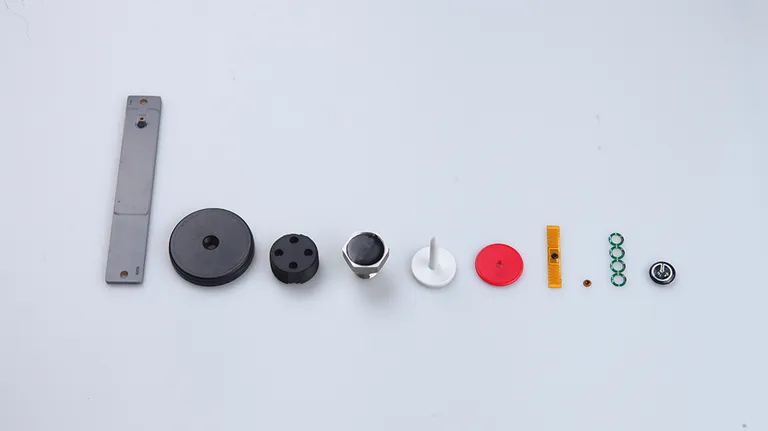
PPS, silicone and textile tags differ mainly in shape and how they attach. There is no universal ranking of cycle life between them, so choose the construction that fits the item and then check the specific model on samples in your process.
| Construction | Best for | Points to verify |
|---|---|---|
| PPS hard tag | Hotel linen, uniforms, healthcare textiles | Rigid body can be felt in thin fabrics; trial the press, ironer and wash cycles |
| Silicone tag | Uniforms and robes worn against skin, flexible items | Trial your temperatures and chemistry, and the attachment on each fabric |
| Textile / woven label | Sheets, pillowcases, garments where the tag must be hidden | Low-profile for hems; trial washing, extraction pressure and the ironer, and avoid stitching through the antenna |
The attachment is tested with the tag, not after it. A heat-sealed patch has to hold through ironing on the actual fabric blend, and a sewn-in label needs its antenna kept clear of the needle. Choose the attachment per item category and include it in the sample test.
UHF or HF: match the reader
The frequency is decided by the reader system you run, not by preference.
- UHF (ISO/IEC 18000-63, 860–960 MHz) is commonly used to inventory bundles and carts through portals, tunnels and cabinets. Moisture, metal trolleys, packing density and antenna placement all affect performance, so validate wet and dry loads at the actual installation rather than assuming every read happens after drying.
- HF (13.56 MHz) covers ISO/IEC 15693 and ISO/IEC 14443, which need different reader support. ISO 15693 chips such as ICODE SLIX/SLIX2 offer anti-collision for multi-tag inventory, but the number of items read and the throughput depend on the tags, reader, antenna and load. Anti-collision capability is not a guarantee of a particular batch size.
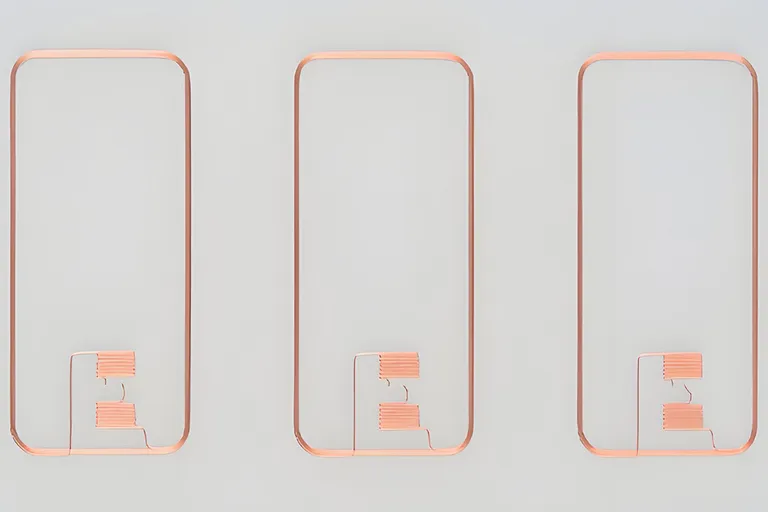
Because the tag’s antenna has to be tuned for the reader’s band and the material it sits on, a tag from one supplier and a reader from another have to be tested together, on your linen, before either order is placed.
Reader points and healthcare textiles
Reader hardware shapes the tag choice. Tunnel and conveyor readers count moving loads; cabinet readers check a cart or bag placed inside; handheld readers handle spot checks and exceptions; fixed antennas can cover points such as soil sorting and clean issue. Your integrator defines the read points and reader hardware for the operation.
Hospital textiles may go through thermal disinfection or steam sterilisation. Specify the actual temperature, dwell time, pressure and cycle count, and require validation for the exact tag and attachment; a dry-heat rating or a material name does not establish autoclave suitability. For items entering an MRI environment, obtain the hospital’s approval and the applicable tag test documentation.
How to order from Proud Tek
Proud Tek has manufactured RFID products in its Shenzhen factory since 2008 and makes the laundry tags; portals, tunnels and management software come from your system integrator. To specify an order:
- Send the wash profile (temperature, chemistry, press and finisher), the item and attachment method, the reader system and frequency, and the quantity.
- Proud Tek identifies a specific model, with the field experience for its format and the available encoding and marking. Encoded tags are checked one by one by reading them back, a data report accompanies every encoded order, and numbered tags come with an Excel, CSV or XML file mapping each EPC, TID or UID to the tag’s number (RFID encoding service).
- Request samples: every laundry tag on our product pages can be sampled and quoted. Standard product samples are free; customised samples carry a setup fee. Run the samples through your own line before approving the batch.
- On approval, the standard product lead time is generally 2–3 weeks; large-order schedules are confirmed individually. Pricing is by quotation against the confirmed specification.
Start an enquiry through the inquiry form, or by email or WhatsApp, and keep the validated specification so repeat orders match the first run.