RFID Tags
RFID Laundry Tags
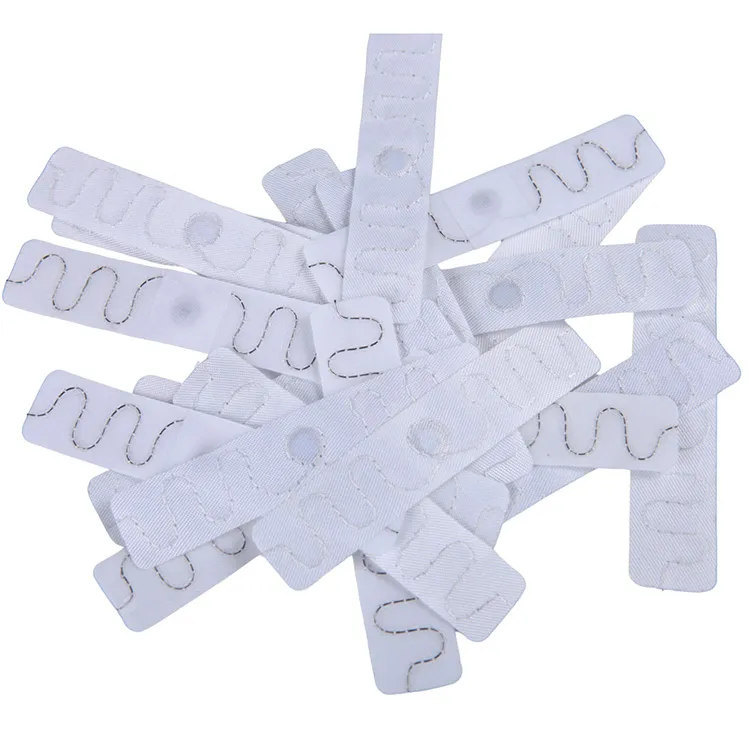
Proud Tek's woven UHF RFID laundry tags are flat textile tags for linen, towels, uniforms and healthcare garments, using EPC Gen2 (ISO/IEC 18000-63) chips with antennas sewn into hems or seams, placed in pockets, or heat-sealed. They survive 200+ industrial wash cycles (guaranteed), with field experience of 180 °C flatwork ironing. Made in Proud Tek's Shenzhen factory; every tag can be sampled before bulk order.
Woven textile UHF RFID laundry tags for flat linen, towels and uniforms, sewn into a hem or seam or held in a small pocket. Every textile tag shown on this page can be sampled and quoted. Send the item, reader model, country of use and wash process, and we confirm the proposed tag, chip and attachment for your pilot before a bulk order.
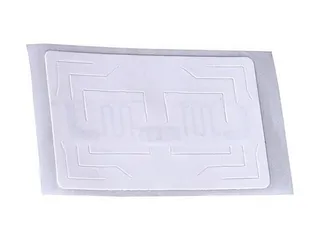
Photos show the textile tag format and placement on a towel. Confirm the offered model’s dimensions, chip and fixing method with your sample.
Free standard samples · Quotation within one business day
Product details
A woven UHF tag for linen, towels and uniforms
The tag is a flat, woven strip that carries a UHF chip and antenna, for sheets, pillowcases, towels, uniforms and healthcare garments. Its identifier links each item to its record in your laundry software. Your integrator defines the readers, software workflow and tag protocol; Proud Tek produces the tags in its Shenzhen factory to the agreed specification.
Sewn in or in a pocket
- Hem or seam. Stitch only where the offered model’s installation instructions allow, with the needle clear of the chip and antenna; try the instructions on the actual fabric first.
- Pocket. A fabric pocket holds the strip without stitching through it; check its size and closure against the tag.
- Heat seal. Only for a model and backing specified for it; validate the press settings and adhesion on your fabric, including after ironing.
- Position. Record the tag position for each item category with the approved sample, so repeat orders are tagged the same way.
UHF band and chip
The textile tag is a UHF tag: its chip uses the EPC Gen2 air interface (ISO/IEC 18000-63), and the tag has to suit the regional UHF band where it is read. Tell us the country of use; the UHF frequency lookup lists the band GS1 gives for each country. The quotation names the exact chip and its EPC and user memory. If your system reads HF at 13.56 MHz, see the PPS laundry tag instead.
Compare the tag construction
| Format and fit | Band and attachment | Check before selecting |
| Textile UHF tag (this page): flat linen, towels and uniforms | UHF; sewn into a hem or seam, in a pocket, or heat-sealed where the model is specified for it | Dimensions, antenna position, attachment instructions and a sample run on your line |
| Silicone tag: garments where a flexible tag fits | UHF; in a seam or pocket | Dimensions and edges on the fabric, chip and band, and the full process trial |
| PPS button tag: a rigid button for item-level identification | HF 13.56 MHz, ICODE SLIX or SLIX2; sewn on or held in a pocket or bag | ISO/IEC 15693 reader support, fixing holes and how the button takes your press |
A material name alone does not establish wash life, temperature resistance or reading performance. Each format’s product page gives its own field experience; a trial on your own items decides between them.
From your requirements to an agreed tag
| Requirement | Send with the enquiry | Confirm for the offered model |
| Reader and chip | Reader model, country of use and required protocol or chip if known. | Exact chip, supported band and a compatibility test. |
| Size and construction | Item type and the space available in the hem, seam or pocket. | Tag reference, dimensions and construction. |
| Attachment | Sewing, pocket insertion or a requested heat-seal process, and who attaches the tags. | Supported fixing method and installation instructions. |
| Wash process | Your wash-process specification (laundry tracking guide). | How the sample behaves in that process, against the field experience below. |
| Data and marking | Required identifier scheme, visible marking and data export. | Encoding scope, marking and how the data matches your software. |
| Quantity and delivery | Pilot quantity, first batch, repeat demand and destination. | Sample arrangement, order terms and batch schedule. |
Field experience from working laundries
These figures are field experience from the woven textile tag’s use in working laundries. They describe this textile tag only, not the silicone or PPS tags.
| Exposure | Seen in laundry use |
| Industrial wash cycles | More than 200, guaranteed by Proud Tek |
| High-temperature ironing | Up to 180 °C, with the tag reading normally afterwards |
| Extraction press | 56 bar |
The ironing and press figures are experience only and are not guaranteed; they were recorded without chemistry, contact times or the number of ironer and press passes. Each row is a separate exposure, so together they do not describe 200 cycles that each include 180 °C ironing and a 56 bar press. We still recommend running a sample through your own line and keeping the result in the form the laundry guide’s section on what the test record should contain sets out.
Wash limits to confirm for a textile tag
The laundry tracking guide holds the full wash-process specification, the ISO 6330 and ISO 15797 references, failure criteria and what a test record should contain. For a woven tag, also confirm:
- The flatwork ironer’s temperature and contact time, since tagged sheets and pillowcases pass through it.
- That the seam or pocket still holds the tag after extraction and finishing: a lost tag is a failure, like a missed read.
- Any steam sterilisation for healthcare textiles: the ironing figure above does not cover an autoclave, and we give no sterilisation figure for this tag.
- Your own trial record for the offered model, with pass criteria agreed before testing; keep the approved sample for repeat orders.
Encoding, marking and product documents
State whether the tags should be blank or encoded to your identifier scheme; the FAQ below covers read-back, the data report and the ID list for numbered tags. Whether the offered model can carry a visible or laser-marked number is confirmed in the quotation. If OEKO-TEX or another product document is required, ask for the current report and check its holder, covered model, scope and validity.
If the chip or wash specification is unknown, start with the reader model, item type and the details you have. For an existing tag, include its reference or describe its dimensions. Hospitality and healthcare cover sector requirements. Use the product’s quotation or sample button to keep the laundry tag selected.
Plan your laundry tag pilot
Discuss your specification →Frequently asked questions
Which laundry tag format should we choose?
Start with the item, the attachment and the reader system. The woven textile tag lies flat in linen, towels and uniforms, the silicone tag is a flexible UHF option for garments, and the PPS tag is a rigid HF button. Compare band, attachment and item fit for each format, then validate the exact model in your own process.
How many wash cycles will the tags survive?
More than 200 industrial wash cycles. That is the woven textile tag’s field experience in working laundries, and Proud Tek guarantees the count. Your chemistry, temperatures, extraction, finishing and attachment still matter on your line, so we recommend trialling samples on your own linen and recording cycles and failures as the laundry tracking guide describes before setting a target.
Can the textile tag go through a flatwork ironer or an autoclave?
In laundry use the textile tag has gone through high-temperature ironing up to 180 °C and read normally afterwards; that figure is field experience, recorded without contact times or a pass count. We give no sterilisation figure for this tag, and ironing and steam sterilisation are different conditions: one does not establish the other. Include both in the enquiry and run both in the sample trial.
Should we choose UHF or HF laundry tags?
Use the protocol your installed or proposed system requires. The textile tag is UHF, which is commonly used for laundry inventory workflows; HF suits systems built for ISO/IEC 15693, such as the PPS laundry tag. Range, multi-tag reading and load capacity depend on the tag, reader, antennas and installation.
Can we specify encoding and visible numbering?
Encoding, yes: send the identifier scheme and EPC length, and we encode to it. We read every tag back once it is encoded, and the order ships with a data report. Whether the offered model can carry a visible number, including by laser marking, is confirmed in the quotation; numbered tags come with a list in Excel, CSV or XML pairing each tag’s EPC or TID with its number. The RFID encoding service describes the process. Test sample tags and their data in your own software before approving the batch.
What information helps you prepare a quotation?
Start with the item type, reader model, country of use, quantity and wash process. Include the dimensions and attachment method if known, plus any encoding, marking or documentation requirements. You can identify unknown details for follow-up instead of guessing. The quotation should confirm the exact tag, sample arrangement and batch schedule before you order.
Buyer guides
- RFID Laundry Tags: Tag Types, Wash Durability and Reader Fit Choosing RFID laundry tags? Compare PPS, silicone and textile types, match the tag to your wash process and reader, and validate samples before ordering.
- NFC vs RFID: The Difference Between NFC and RFID Explained NFC vs RFID explained for buyers: NFC is a 13.56 MHz subset of RFID. Compare range, modes, smartphone support and standards, and choose the right one.
- RFID Frequencies Explained: LF vs HF vs UHF RFID frequencies explained for buyers: LF vs HF vs UHF, their read range, coupling, standards and materials handling, and how to choose the right band.
Ready to specify your order?
Send the product, quantity and application so we can confirm the options and pricing for your project.