Car Transponder Chip
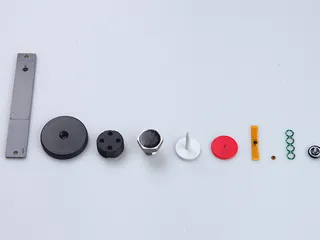
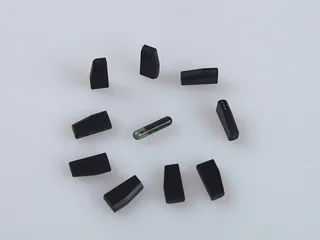
A car transponder chip is the RFID heart of a vehicle key — a tiny glass-tube or EMC-packaged chip that answers the immobiliser's challenge — so only a correctly programmed key starts the engine.
Industrial RFID tags for laundry, asset and vehicle tracking: textile UHF laundry tags, PPS and silicone laundry tags, an RFID tag with an LED locator light and windshield or headlight vehicle transponders. Match the product to the reader, attachment method and operating conditions, then use the selection guide below and validate samples before a focused enquiry.
A car transponder chip is the RFID heart of a vehicle key — a tiny glass-tube or EMC-packaged chip that answers the immobiliser's challenge — so only a correctly programmed key starts the engine.
Custom RFID tags start from your drawing, not a catalogue — on-metal, epoxy-sealed, cable-tie or embeddable, in LF, HF or UHF — engineered in Proud Tek's Shenzhen factory for the object they live on.
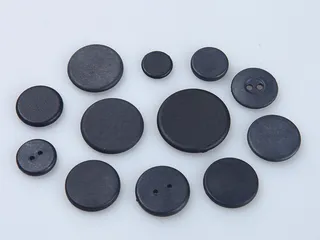
PPS (polyphenylene sulfide) button tags are the rigid-format option for HF laundry tracking: the heat-resistant plastic housing survives industrial washing, drying and pressing that would destroy a paper label.
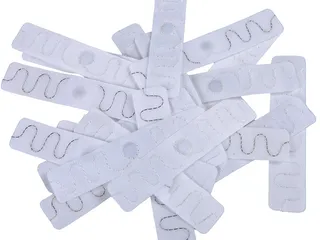
Proud Tek's woven UHF RFID laundry tags are flat textile tags for linen, towels, uniforms and healthcare garments, using EPC Gen2 (ISO/IEC 18000-63) chips with antennas sewn into hems or seams, placed in pockets, or heat-sealed.
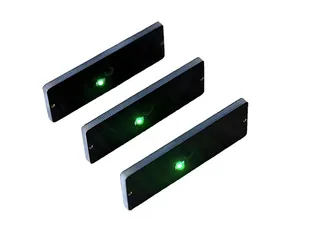
An LED RFID tag answers the question 'which one?' — the passive UHF chip harvests reader energy to light an LED, so the exact tagged item glows among hundreds — for picking, audits and cable tracing without scanning each item.
Silicone-encapsulated UHF laundry tags trade the rigidity of PPS buttons for flexibility — the soft silicone body sewn into a seam moves with the garment, suiting fitted uniforms and delicate textiles where a hard tag would be felt.
Selection & ordering guide
This category brings together textile, PPS and silicone laundry tags, LED identification tags, car transponder chips and custom tags made to your drawing, such as on-metal and encapsulated tags. They serve different workflows, so start with the application and its test conditions before comparing dimensions or unit prices.
For laundry, describe the read stations and existing reader system. For an LED tag, identify the reader and software that will issue the required commands. For a vehicle-key project, provide the transponder and programming requirements.
For textile projects, state how the tag will be sewn or attached and provide the actual washing, drying, pressing and chemical conditions, so the proposed model can be confirmed on samples in that process.
Agree a trial using the actual items and read stations. Record attachment quality, readable IDs and any failed reads at each stage; use the results to approve the model and mounting method before increasing the order.
A laundry tag’s wash-cycle figure, whether it comes from a test or from field use, holds only for the process and attachment behind it, so run a pilot on your own machines and chemistry before fixing a target. A hotter or more aggressive wash, a different press or finisher, or steam sterilisation is a different condition that needs its own evidence; specify autoclave exposure explicitly rather than assuming it.
Choose the construction by item and attachment, then confirm the wash-cycle target for the exact model with a sample trial; the body material alone does not rank cycle life. Each of our laundry tag pages states that format’s field experience from real laundry use; the textile and silicone pages also give a wash-cycle count that Proud Tek guarantees, with their temperatures and pressures left as experience. The laundry tracking guide lists the process specification and the test record to keep for the trial, and the lifespan section on RFID cards applies the same reasoning to cards, tags and wristbands.
Include what you know. If the chip or product is undecided, describe the application and current equipment so we can review the options with you.