125 kHz RFID Sticker
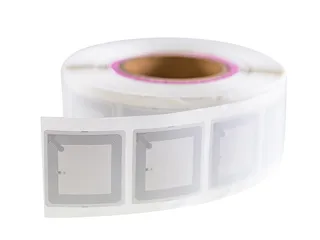
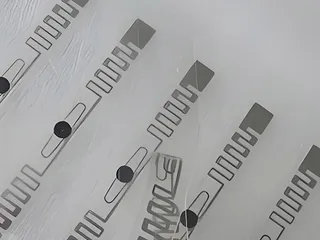
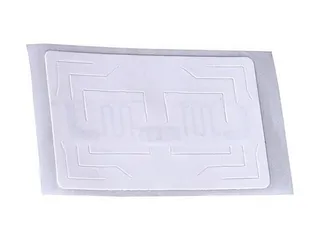
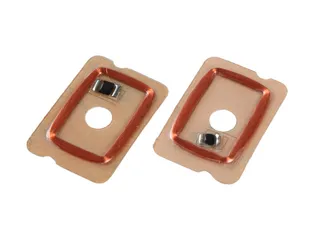
A 125 kHz RFID sticker is a low-frequency credential on adhesive — a chip like EM4200, T5577 or HITAG 2 with a printed antenna — for sticking onto badges, assets or equipment where a card won't fit.
RFID labels and NFC stickers for phone-tap marketing, access, inventory and vehicle-identification projects. Chips include NTAG213/215/216, NTAG424 DNA, ICODE and UHF UCODE, in paper and PET constructions. Select around the reader, mounting surface, label size and encoding requirements, then validate the proposed construction with samples before ordering.
A 125 kHz RFID sticker is a low-frequency credential on adhesive — a chip like EM4200, T5577 or HITAG 2 with a printed antenna — for sticking onto badges, assets or equipment where a card won't fit.
MIFARE stickers turn any phone or surface into a credential — a MIFARE chip on adhesive that sticks to a phone case, badge or asset tag — for systems that need the MIFARE format without issuing a card.
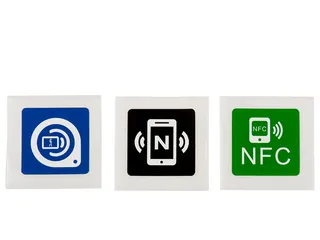
Proud Tek's NTAG213 NFC labels are 13.56 MHz stickers for product links: NXP's NFC Forum Type 2 chip with 144 bytes of user memory holds an NDEF message of up to 137 bytes — a web address of up to 132 characters after https://www.
Proud Tek's NTAG424 DNA NFC labels are authentication labels for brand protection and anti-counterfeit projects.
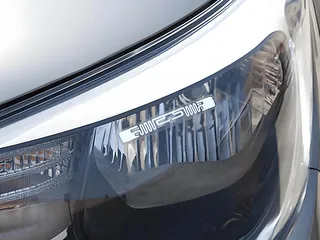
When a windshield tag can't read through metallised glass, the answer is the headlight sticker — a UHF tag encapsulated for the heat and UV inside a headlight housing — for reliable vehicle ID on metallised windscreens.
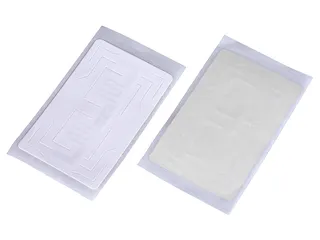
An RFID windshield tag is a UHF label for the inside of a windscreen — read at a distance by gate antennas — for tolling, parking and gated communities where stopping to tap a card is not an option.
Every UHF RFID label starts as an inlay: a RAIN RFID chip (NXP UCODE 9/9xe, Impinj M700/M800 series or Alien Higgs-9) bonded to an antenna on PET film, operating to ISO/IEC 18000-63 (EPC Gen2v2) in the 860–960 MHz band.
A UHF RFID label is a converted inlay — RAIN RFID chip and antenna — laminated under a printable paper or synthetic face and supplied on rolls for print-and-encode workflows.
Selection & ordering guide
RFID and NFC label enquiries need more than a diameter and quantity. The mounting surface, reader or phone workflow, chip and delivery format all belong in the specification. Separate vehicle-identification projects from phone-tap or access-credential applications, and UHF item, carton and pallet labels from both. We make UHF labels and dry and wet UHF inlays as well as NFC labels.
State whether the label will be read by a phone, desktop reader or installed vehicle reader. Include the device model, the task to perform and any chip or protocol already specified by the system provider.
Identify the actual surface, including any metal, glass or packaging layers, and describe indoor or outdoor exposure. Agree a sample test on that surface before approving the label construction and adhesive.
Specify dimensions, printed artwork, serial numbers and whether labels should arrive as individual pieces or rolls. For printer use, include printer model and roll requirements; for encoded labels, agree the data format and verification method.
Include what you know. If the chip or product is undecided, describe the application and current equipment so we can review the options with you.