Analytics cookies. Can we use Google Analytics and its cookies to see how visitors use this site? Change this any time under Cookie settings in the footer. Privacy policy
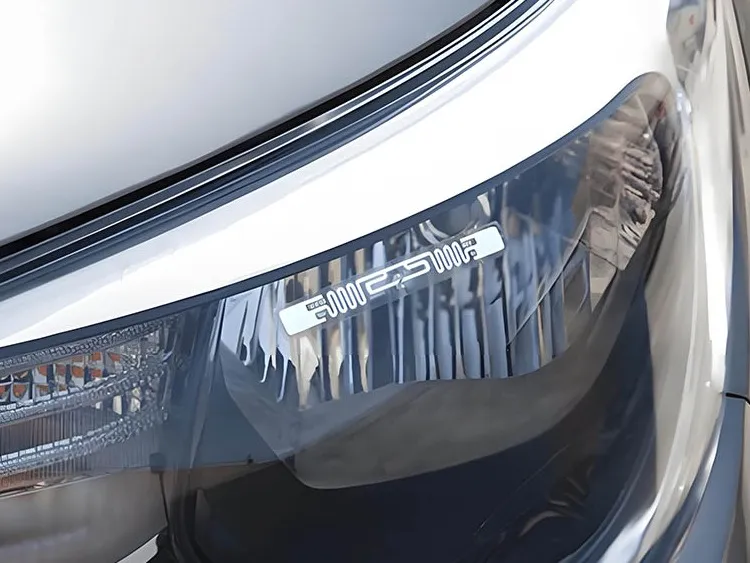
When a windshield tag can't read through metallised glass, the answer is the headlight sticker — a UHF tag encapsulated for the heat and UV inside a headlight housing — for reliable vehicle ID on metallised windscreens.
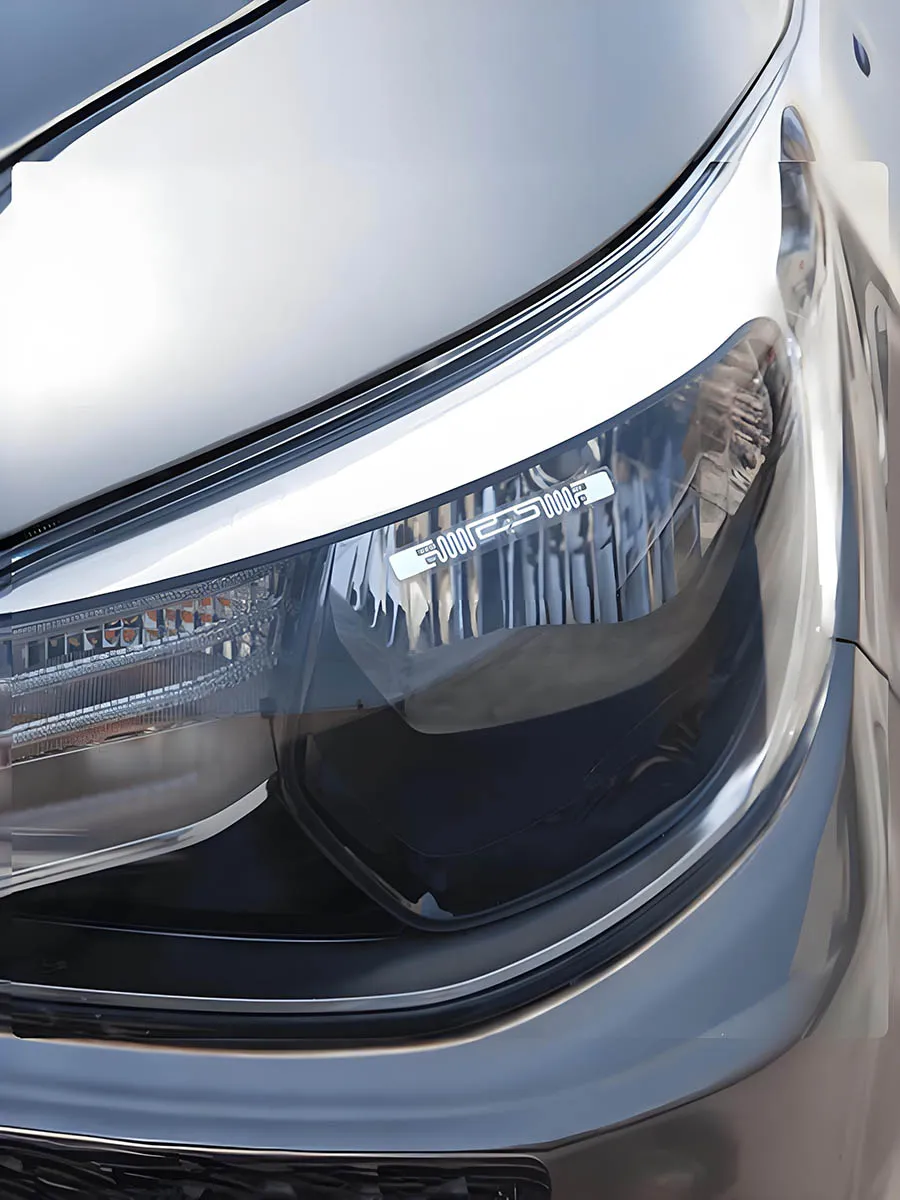
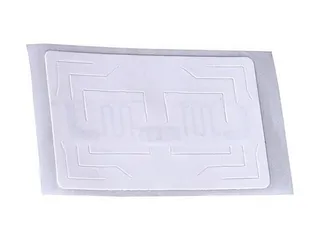
The RFID headlight sticker is a UHF tag designed to sit inside a vehicle headlight, encapsulated in PET with a strong adhesive for that environment. It suits vehicle identification where a windshield tag reads poorly, such as metallised glass. Confirm the chip, frequency band and reader, then request samples to test.
Free standard samples · Quotation within one business day
Product details
Features
1, No light blocking
Uses non-residual adhesive, ensuring it does not interfere with light transmission.
2, Tamperproof
Incorporates a fragile antenna, once removed, the label will be automatically destroyed. This UHF tag is ideal for applications requiring anti-transfer protection.
3, Enhanced performance on vehicle headlights
The antenna is specifically optimized for headlight applications.
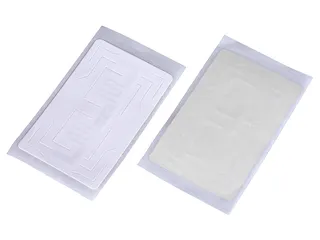
Core ID: 76.2mm(3inch) Quantity: 1000~3000PCS/Roll Packing material: anti-static pearl cotton + bubble pad + anti-static bag + outer carton
What the RFID headlight sticker is
The RFID headlight sticker is a passive UHF (860-960 MHz) label built to sit inside a vehicle headlight, encapsulated in PET with an adhesive chosen for that surface. It carries an EPC that a UHF reader at a gate, barrier or checkpoint reads as the vehicle approaches, so the car is identified without the driver stopping to present a card. It is the companion to the windshield tag for vehicles a windshield tag cannot serve.
It reads under the EPC Class 1 Gen 2 air interface (ISO/IEC 18000-63), so it works with any Gen2 UHF reader; the chip changes the memory and features, not the reader. Its specification lists an Impinj Monza 4QT (M4QT) chip, a read distance of one metre or more, and a working range of -25 to 75 °C.
Why a headlight sticker and not a windshield tag
Most cars take a windshield tag, which is cheaper, prints well and is read from the front. Two things defeat it. Many newer windshields have an infrared-reflective metallic coating or heating wires in the glass, and both block UHF. Motorcycles and some fleet vehicles have no usable glass at all. A headlight lens is plastic and transparent to UHF, so a tag placed inside it reads where a windshield tag would not. If a vehicle's windshield has an uncoated sensor window behind the mirror, a windshield tag still works there; the headlight sticker is for the cars that have no such window.
Tamper-evident and non-transfer design
A vehicle credential is only useful while it stays on the vehicle it was issued to. This label uses a fragile antenna: peeling it off breaks the antenna, so the tag stops reading and cannot be moved to another car intact. The adhesive is a non-residual type that does not cloud the lens or block light. That makes the sticker suitable for access schemes where a tag must not be transferred between vehicles.
Regional band, reader and cloning
UHF is a regional band: 865-868 MHz in Europe, 902-928 MHz in the Americas, with other allocations elsewhere, and the antenna is tuned to the band. Tell us the country of deployment and the reader make and model so the label matches your installation. The UHF RFID frequency lookup lists the band and reader power limits GS1 records for each country. As with all UHF vehicle tags, an access system that grants entry on the EPC alone can be fooled by a cloned tag; the factory-locked TID is unique, and your access software should check it as well. The vehicle RFID identification guide covers reader placement and the security tiers.
Encoding, marking and placement
Encoding: we can write your EPC scheme and lock it, and set the access and kill passwords you specify. Each sticker is read back after encoding, and the encoded order ships with a data report. Provide the numbering scheme your access software uses.
Marking: a serial number, barcode or QR code can be printed so a guard or installer can identify a tag without a reader. For stickers printed with a serial, we set each one's TID and EPC against that serial in an Excel, CSV or XML file, ready for enrolment.
Placement: fit the sticker inside the headlight in the same position on every vehicle, so the reader antenna is aimed once. Apply to a clean, dry surface.
Testing: trial a sample set on your own reader and vehicles, across the glass and lens types in your fleet, before the full run.
Before you order
The reader make and model and the country of deployment, so the band and antenna match.
How many vehicles have metallised or heated windshields, so we supply the right mix of windshield and headlight tags.
The chip and EPC scheme, passwords and locking, and which identifiers your access software enrols.
Any printed serial number, barcode or QR code.
Quantity and delivery date; samples for testing on your vehicles and reader.
What Proud Tek supplies
The headlight stickers, encoded, locked and printed to your specification, and the windshield tag for the vehicles that can use one. We supply samples for your reader vendor's or integrator's tests; we do not supply UHF readers, antennas, barrier controllers or access software. See the vehicle RFID identification guide for the system view and the full RFID labels range for other formats.
Plan the application
Frequently asked questions
When should I use a headlight sticker instead of a windshield tag?
Use it when the windshield blocks UHF, which happens with infrared-reflective metallic coatings or in-glass heating wires and no uncoated sensor window, or on motorcycles and vehicles with no usable glass. A headlight lens is plastic and transparent to UHF. For ordinary laminated windshields, a windshield tag is cheaper and reads from the front.
How far can the headlight sticker be read?
Its specification gives one metre or more. Where you land depends on reader power and antenna gain, the regional band, the headlight assembly and how well the tag lines up with the reader antenna. Test on your own reader and vehicles.
Can the tag be moved to another vehicle?
No, not intact. The fragile antenna breaks when the sticker is peeled off, so it stops reading and cannot be transferred. This is what makes it suitable for non-transfer access schemes.
Which UHF band and reader does it use?
It reads across 860-960 MHz under EPC Class 1 Gen 2 / ISO/IEC 18000-63, but the antenna is tuned to your regional band, 865-868 MHz in Europe or 902-928 MHz in the Americas among others. Send the country of deployment and reader model.
Can you encode our numbers and print a barcode?
Yes. We write your EPC scheme, lock it, set the passwords you specify and read every sticker back before it ships. We can print a serial number, barcode or QR code on the label, and numbered stickers come with a list pairing each one's TID and EPC with its serial for your software to import.
Do you supply the readers?
No. We produce and encode the tags and supply samples for your reader vendor's or integrator's tests. UHF readers, antennas, barrier controllers and access software come from them. The vehicle RFID identification guide outlines what to ask a reader vendor for.
Buyer guides
How to Read an RFID Tag Quotation, Line by LineWhat decides RFID card and tag prices, and how to compare quotations line by line: unit-price basis, tooling, encoding, samples, freight and Incoterms.