Guest key cards
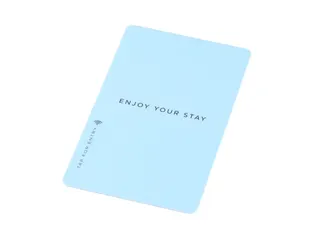
The room key is a contactless card at 13.56 MHz, usually ISO/IEC 14443; at check-in the encoder writes the room, the dates of the stay and an access profile to it. The lock system, not the card supplier, fixes the chip: the lock vendor documents which chips each lock generation and firmware accepts, and a property extended in phases may run more than one generation.
MIFARE Classic is the chip to plan away from. Its Crypto-1 cipher is broken, NXP marks Classic EV1 not recommended for new designs, and its MIFARE Classic family page refers security-relevant applications to the DESFire and MIFARE Plus families. The move is staged with the lock vendor, lock firmware first. The hotel key cards guide has the chip table, the lock-brand matrix and the migration steps.
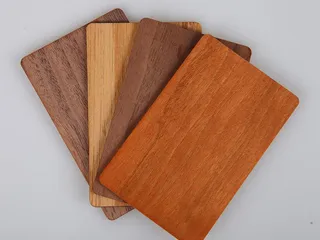
PVC is the usual card body, and wooden and bamboo cards suit boutique branding. Paper cards have a coated paper or card-stock body and are typically issued for single stays and events. PLA cards have a body of PLA made from corn starch; PLA biodegrades under industrial composting conditions (European Bioplastics), though the chip and antenna inlay are not PLA. Whatever the body, the antenna is sized for it, and a sample is read on each lock generation first.
Guest wristbands for pool, spa and all-inclusive
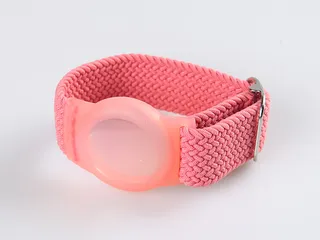
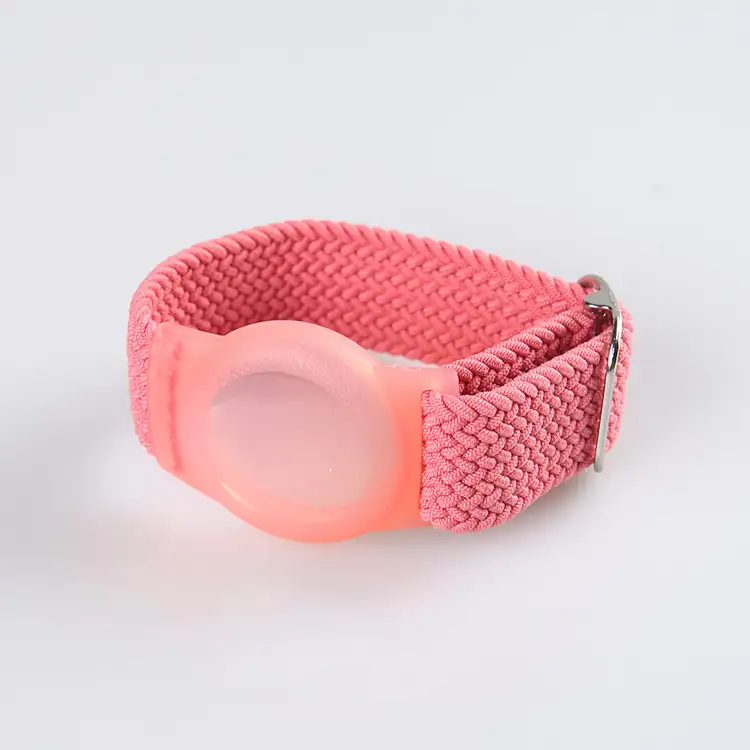
Once the guest leaves the room the credential moves to the wrist. Hotel wristbands carry the same kind of contactless chip as the room key, so the lock, the pool gate and the bar terminal can read one band where each system accepts that chip. Sealed silicone bands suit pools and spas; fabric bands with a TPU head suit multi-day stays and brand artwork; disposable Tyvek bands from the event wristband range suit a day pass that stays out of the water.
Cashless spending is a closed loop run by the property's point-of-sale or resort platform: the band identifies the guest and the charge posts to the folio. A band known only by its serial number can be copied, so a cashless or VIP programme is better served by a chip that authenticates, such as DESFire with AES-128 or NTAG 424 DNA. The event wristbands guide covers anti-cloning and the platform set-up; materials and closures are compared on RFID wristbands for events. The decisions are the same for a resort.
Linen and laundry tracking
Towels, robes and sheets leave with guests, get mis-sorted at the laundry and are quietly written off. With a laundry tag on each item, linen is read when it is sorted soiled and again when it is issued clean, so the laundry system can count the wash cycles each item has been through and show which floor or outlet is losing stock.
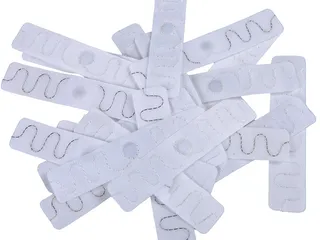
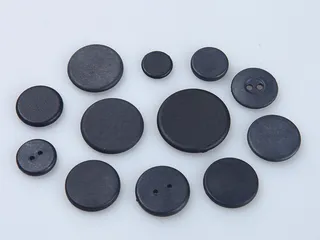
The tag format follows the item and the wash process, not a fixed rule. Our laundry range has three formats: a woven textile UHF tag sewn in or placed in a pocket, a flexible silicone UHF tag, and a rigid PPS button on HF (ICODE SLIX2, or SLIX where the installed system requires it). Which one suits terry, sheets, robes or uniforms is settled for your washing, extraction, drying and finishing, then confirmed on samples run through the real line; the frequency follows the readers. The laundry tracking guide holds the wash-process specification and the pilot plan.
If an outside laundry service processes the linen, involve it early: its readers set the frequency, its process sets what the tag must withstand, and a service that already reads RFID will name the tag type its system expects.
Where hospitality RFID projects fail
The complaints reach the front desk as "my card does not work" or "the count is wrong". The cause is often operational rather than the card or the tag.
- Reorders that drift. Cards, bands or tags reordered without the first run's chip, configuration and artwork record; the encoder may write a card that older locks reject. Keep a written specification per property and send it with every reorder.
- Cards blamed for the lock. An offline lock with a flat battery or a drifting clock rejects a valid stay. Check the lock before replacing cards.
- Metal over the inlay. Metallic ink or a metal clasp over a band's antenna can stop it reading. Read a printed sample at the pool gate before the run.
- Laundry tags picked from a catalogue. A tag chosen without the laundry's process in view may not suit its washing, extraction, drying or finishing. Send the wash process with the enquiry and run samples through the real line before the order.
- No reserve for the season. A peak arrives with no spare cards or bands and a new print run to wait for. Keep a reserve of blank or printed cards and bands at each property.
Multi-property rollouts
A chain or management company can standardise the chip per lock generation and the artwork per brand, then order per property. What keeps reorders consistent is a specification file for each property (lock generation, chip, card body, artwork version, numbering) sent with every order, plus reserve stock held centrally or at the property.
Where a chain is migrating locks across many properties, the same staged approach applies per site, and both chip stocks are held until the last property has switched.
Guest-facing NFC
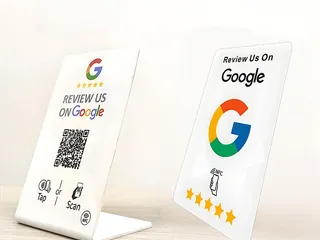
Beyond access, hotels use NFC where a guest taps a phone: review cards at reception, table cards that open the room-service menu, and concierge cards that link to a local guide. These use NTAG chips and a URL, not the lock system, and can be updated by changing the destination page rather than the card.
What Proud Tek manufactures and supplies for hospitality
We manufacture hotel key cards, guest wristbands, textile, PPS and silicone laundry tags and NFC cards for guest information in our Shenzhen factory, and supply selected desktop readers. Key cards normally leave the factory blank, for encoding at your front desk. When we encode cards, bands or tags, each piece is read back and every encoded order ships with a data report; numbered pieces come with an Excel, CSV or XML list of each piece's UID, TID or EPC against its number.
Chip, material, printing and encoding are confirmed in the quotation. Check samples on your locks and encoder, and run laundry-tag samples through your wash process, before approving a batch; a desktop NFC reader does not replace the lock vendor's encoder or the laundry's readers.
Published 2026-09-09 · Updated 2026-10-06