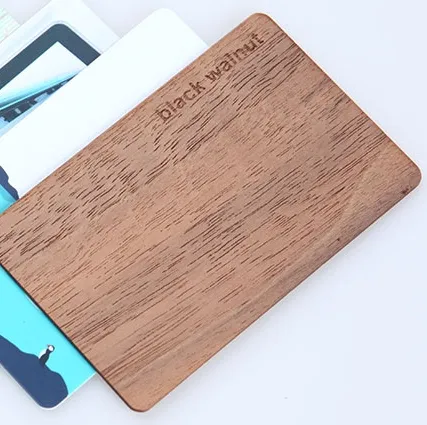
RFID Cards
Eco RFID Card
Eco RFID cards swap standard PVC for PLA, recycled PVC, paper, wood or bamboo — same chips your readers accept — trading a little heat resistance for a card you can defend in a sustainability tender.
Eco RFID and NFC cards with a PLA, PETG, recycled PVC, paper, wood or bamboo body instead of standard PVC, carrying the same chip families your readers and locks already use. A PLA body is made from corn starch. Choose the body by heat, handling and printing needs, and compare bodies with free standard samples.
Free standard samples · Quotation within one business day
Product details
An eco RFID card is a contactless card with a PLA, PETG, recycled PVC, paper, wood or bamboo body instead of standard PVC, carrying the same chip family your readers and locks already use (the inlay construction can differ by body). A PLA body is made from corn starch, and PLA as a material biodegrades under industrial composting conditions; the chip and antenna inlay are not PLA (details below). Eco cards suit hotels, venues and membership schemes: choose the body by heat, handling and printing method. The name refers to the body material; the inlay core can still be PVC, PET or paper depending on the build, so state 'PVC-free' in the inquiry if you need it, and compare bodies with free standard samples from the sample pack.
Which eco RFID card material should you choose?
| Body material | What it is | Print and finish | Heat and moisture | Typical use |
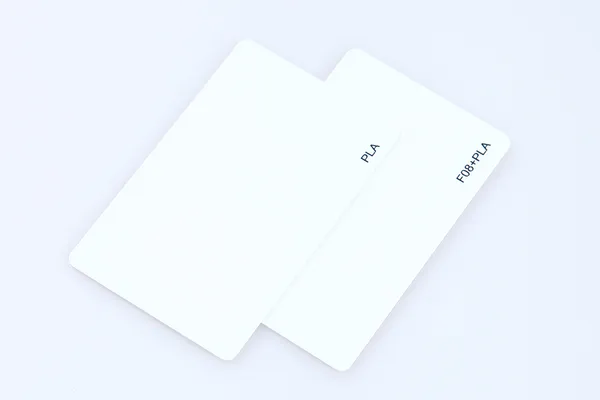
| PLA | Polylactic acid, a plastic made from corn starch | Printing, numbering | Softens from about 55–60 °C in an amorphous grade (see below); the limit of the grade used is confirmed per product; keep out of hot cars and direct sun | Indoor hotel keys, membership, brand cards |
| PETG | A PET-based copolyester | Printing, numbering | Heat limit of the grade confirmed on a sample | Access and staff cards |
| Recycled PVC (rPVC) | PVC sheet containing recycled PVC | PVC-style printing; magnetic stripe confirmed per order | Handled like PVC; confirmed on a sample | Replacing the body of an existing PVC card programme |
| Paper / card stock | Coated paper or card stock, varnished | Full colour both sides, varnish | Not waterproof; moisture and folding damage it | Event passes, tickets, promotions |
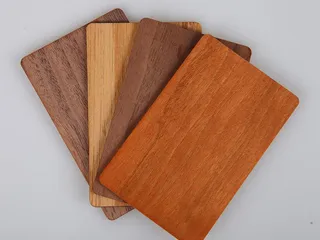
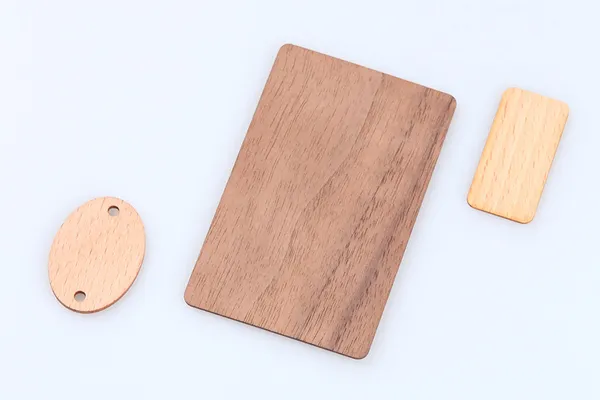
| Wood and bamboo (cherry, sapele, bamboo, beech, birch, black walnut, basswood, maple) | Natural wood veneer; bamboo is a grass pressed into sheet | Laser engraving, UV printing, hollow carving, die-cutting | Wood absorbs moisture; an epoxy covering adds water resistance | Hotel keys, membership, gift cards |
Print and finishing options are confirmed per material in the quotation. A few rules settle most choices quickly:
- If you want a card body made from corn starch, in a material that biodegrades under industrial composting conditions, choose PLA and keep the cards away from heat.
- If cards may be left in a vehicle, a sunny window or near a heater, rule out PLA, which softens at its glass transition; check the heat behaviour of any other body on a sample, and do not leave any plastic card on a dashboard in direct sun.
- If the card is used once or for a few days, a paper body is made for that kind of short-use credential; compare quoted prices for your quantity.
- If the existing card programme runs on PVC and must not change in handling or printing, recycled PVC is still PVC and the closest match; test it in your own printer and reader.
- If the card is part of the guest or member experience, wood or bamboo gives a natural-material look, with engraving instead of ink.
- If you will describe the card as PVC-free, ask us to confirm the inlay core material in the quotation, because the core can be PVC even under a wood, paper or PLA face.
Is a PLA RFID card biodegradable or compostable?
A PLA card's body is PLA (polylactic acid), a plastic made from corn starch. PLA biodegrades under industrial composting conditions: in an industrial composting plant, where the heaps run at 50–60 °C, heat and moisture split the polymer chains into smaller fragments and lactic acid, which micro-organisms then consume, leaving carbon dioxide, water and humus. European Bioplastics lists polylactic acid among the typical compostable plastics and gives those heap temperatures; NatureWorks, a PLA producer, describes the two steps. The chip and the antenna inlay are not PLA: they are inside every card, whatever its body, and this statement does not cover them.
That statement covers the PLA material, not the whole card. We do not describe a PLA card as compostable or biodegradable as a whole, as home-compostable, or as degrading in soil or in the sea, and we do not claim a compostability certification such as EN 13432 or ASTM D6400 for it. Such a certificate applies to the item tested: European Bioplastics notes that EN 13432 results are tied to a maximum material thickness, and NatureWorks says every final product made from its PLA needs its own compostability testing. If your packaging, website or tender mentions composting, use the wording of the paragraph above.
How much heat can a PLA card take?
PLA softens at its glass transition, which NatureWorks gives as 55–60 °C for an amorphous grade of its Ingeo PLA; a crystallised grade reaches a higher heat-deflection temperature (NatureWorks' Ingeo 4060D technical data sheet and the other data sheets on its 4 series page). The working limit of the grade used for your cards is confirmed per product. A softened card can warp, which affects insertion locks, card dispensers and wallet slots, so store PLA stock in a cool place, keep it away from radiators, car dashboards and shop-window displays, and choose another body if guests are likely to leave keys in cars.
PETG and recycled PVC bodies
PETG is a PET-based copolyester that handles like a conventional plastic card, which makes it a practical choice for staff and access cards. The composting statement above is for PLA only and does not apply to PETG; heat and handling behaviour are confirmed for the grade on a sample.
Recycled PVC is PVC sheet that contains recycled PVC, so it keeps the handling and printing of a standard PVC card; whether a magnetic stripe can be added is confirmed per order. We do not state a recycled-content share, so do not quote a percentage for it. Because rPVC behaves like PVC, it is usually the easiest switch for an existing card programme; confirm with a sample in your own card printer and reader before a full batch.
Paper, wood and bamboo RFID cards
A paper RFID card uses a paper or card-stock body with an etched aluminium antenna, printed in full colour and varnished. It suits event passes, single-journey tickets and promotions, but not wet conditions or daily reuse; see the RFID paper card page for chips and limits.
A wooden RFID card is offered in cherry, sapele, bamboo, beech, birch, black walnut, basswood and maple. Personalisation options are laser engraving, UV printing, hollow carving for see-through cut-outs and die-cutting to shapes. An epoxy covering adds water resistance for pools, spas and outdoor venues. Grain and tone vary from card to card, which most buyers treat as part of the look; if close visual consistency matters, ask for samples from the batch material. Full options are on the wooden RFID card page.
Bamboo is one of the wood options and takes the same engraving, printing and cutting methods; confirm the finish on a sample. Wood and bamboo cards are usually thicker than a 0.76 mm ISO plastic card (see the specifications below), so check the thickness against any insertion lock, card dispenser or encoder slot before ordering.
Are wood, bamboo and paper cards compostable or recyclable?
We do not describe them as either: each card also contains a chip and an antenna, and a material name is not evidence of an environmental property. We state what each material is. If your packaging, website or tender response will describe the card, keep to these statements:
- Wood and bamboo: natural wood veneer, or bamboo pressed into sheet. We do not describe wooden cards as compostable, biodegradable or recyclable, because the inlay stays inside, and we make no forest-certification claim for the wood.
- Paper: a coated paper or card-stock body. We do not describe paper cards as recyclable, because they also contain a chip and an etched aluminium antenna.
- PVC-free: only when the quotation confirms the inlay core material, because the core can be PVC even under a wood, paper or PLA face.
- End of life: the chip and antenna are in every card, whatever the body; if you give cardholders disposal advice, check it with your local waste service.
Our ISO 9001, ISO 14001 and ISO 45001 certificates are management-system certificates, not product environmental claims; they are shown on the manufacturer page.
Can eco cards be used as hotel key cards?
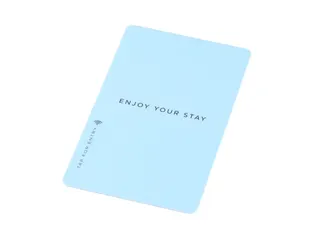
Yes, provided the chip and encoding format match the installed locks. Wooden cards can be encoded for hotel locking systems whose locks accept the chip, and the same applies to PLA, PETG and rPVC bodies. Tell us the lock brand and model and send a current working key if you have one; the hotel key card guide explains what the encoder needs, and the hotel key cards page covers the standard PVC range. Confirm the accepted chip and card layout with your lock-system provider, and test a sample on your own encoder and locks before the batch.
- Heat: PLA keys left in hot cars can warp; check the heat behaviour of any other body on a sample, and no plastic card should sit on a sunny dashboard.
- Water: choose epoxy-covered wood or a plastic body for pool, spa and beach properties.
- Thickness: check wood and bamboo cards against insertion locks, key dispensers and encoder slots.
- On-site printing: wood cards are generally too thick and uneven for desktop card printers, so personalise them at production with engraving or UV print; test PLA, PETG or rPVC in your printer before relying on it.
- Reuse: collecting and re-encoding keys at checkout reduces the number of cards a property has to order.
What size and thickness are eco RFID cards?
| Item | Detail | Confirm |
| Size | ISO ID-1, 85.60 × 53.98 mm, or a custom die-cut shape | Shape per artwork |
| Thickness | PLA, PETG and rPVC around 0.76 mm (ISO); wood about 1.3 mm standard and about 1.4 mm epoxy-covered, per the wooden card specification sheet | Per build |
| Frequency | 125 kHz, 13.56 MHz or 860–960 MHz, set by the chip | Chip availability per body in the quotation |
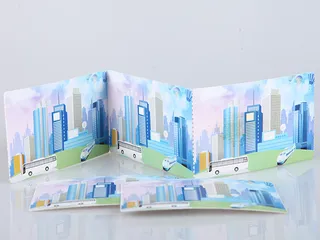
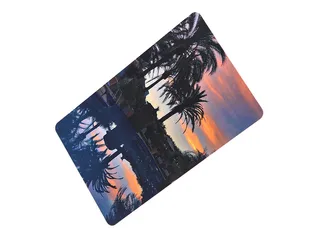
| Marking | Printing on PLA, PETG, rPVC and paper; laser engraving or UV printing on wood and bamboo | Per material in the quotation |
| Inlay core | PVC, PET or paper depending on the build | State PVC-free in the inquiry if required |
Which chips can an eco RFID card use?
The body changes, not the electronics, so an eco card can carry the chip your readers or locks already use. Chip availability can differ by body material and is confirmed in the quotation.
| Band | Common chips | Typical systems |
| 125 kHz LF | EM4200, EM4305, T5577 | Proximity access control, time and attendance, some older hotel locks |
| 13.56 MHz HF | MIFARE Classic EV1, MIFARE Ultralight, MIFARE DESFire, NTAG213/215/216 | Hotel locks, access control, cashless and membership; NFC phone taps with NTAG |
| 860–960 MHz UHF | EPC Gen2 chips | Long-range event access, parking, asset and attendance tracking |
For NFC tap-to-open or brand cards, the NFC cards page lists NTAG memory sizes. At 125 kHz and 13.56 MHz, wood, bamboo, paper and plastic bodies have little effect on performance, so read range is set mainly by the chip, antenna size and reader. At UHF, the body material, thickness and moisture can shift the antenna tuning, so test read range on samples of the chosen body.
Can eco cards be encoded, numbered and printed with codes?
Yes. Cards can be supplied blank, with a printed or engraved serial number, a QR code or barcode, and with the chip encoded to your data or format. Numbered eco cards ship with an Excel, CSV or XML file pairing each printed or engraved number with the chip UID; cards we encode are each read back after writing, and an encoded order ships with a data report. See the RFID encoding service for what to send, including the data source and key-management arrangements.
How do you order eco RFID card samples?
We reply within one business day, and a quotation follows within one business day once we have these details:
- Body material, or the conditions the card must survive (heat, water, daily use, single use).
- Chip, or the reader, lock or encoder model it must work with.
- Size, thickness limits and shape, including any die-cut or hollow-carved design.
- Artwork, engraving file, numbering and encoding requirements.
- Any environmental wording you plan to use, so we can check it against what we state for the material.
- Quantity and destination.
Standard samples are free, and a setup fee applies to customised samples. Standard products typically have a lead time of 2–3 weeks, and large orders are scheduled individually. MOQ, freight and customised lead times are confirmed in the quotation for your specification and destination. To compare bodies side by side, request the sample pack or send the details through the contact page.
Plan the application
Frequently asked questions
Is a PLA RFID card fully compostable?
No. PLA, the material of the card body, biodegrades under industrial composting conditions, but the chip and the metal antenna of the inlay are not PLA. We do not describe a PLA card as compostable as a whole, as home-compostable or as certified compostable.
What is the difference between a biodegradable and a compostable RFID card?
'Biodegradable' on its own names no environment and no time frame; European Bioplastics calls the term unambiguous only when both are specified. 'Compostable' usually refers to industrial composting under a standard such as EN 13432 (EU) or ASTM D6400 (US). For our PLA cards we name the environment, industrial composting, for the PLA material only. We give no time frame for a card body, because the 12-week test duration of EN 13432 is tied to the thickness tested, and we claim no certification to either standard. Neither word fits a whole card, because of the chip and antenna inlay.
Can eco cards be printed on my own desktop card printer?
PLA, PETG and recycled PVC cards can often run through desktop card printers, but behaviour varies with the material and the printer, and retransfer printers heat the card surface, which matters for PLA. Test a sample before relying on it. Wood and bamboo cards are generally too thick and uneven for desktop printers, so they are personalised at production with laser engraving or UV printing.
Can a wooden or PLA card be used as a hotel key card?
Yes, if the chip and encoding format match your locks; wooden cards can be encoded for hotel locking systems whose locks accept the chip. Check wood card thickness against insertion locks, dispensers and encoder slots. Confirm the accepted chip and card layout with your lock-system provider, and test a sample on your own encoder and locks before the batch.
Does a recycled PVC card work with my existing printer and readers?
Recycled PVC handles like standard PVC and carries the same chips, so readers are unaffected. Printing behaviour can vary with the sheet, so test a sample in your own card printer before ordering a full batch.
What documents can you provide to support an environmental claim?
Ask us to confirm the body and inlay core material in the quotation. We do not claim a compostability certification (EN 13432 or ASTM D6400), a forest certification or a recycled-content share for these cards, so we do not supply documents for such claims. Send the exact wording you plan to use and we will tell you whether it matches what we state for the material.
How long does a PLA or paper card last in daily use?
We give no lifespan figure for any card body: what we know comes from cards in real use, not from test data. Service life depends on handling, heat, moisture and storage. Paper cards are made for single or short-term use and PLA softens in heat, so test samples under your own conditions before the batch.
Are eco RFID card samples free?
Standard samples are free. Customised samples, for example with your artwork, engraving or a special shape, carry a setup fee, which is confirmed in the quotation together with MOQ and freight for your destination.
Buyer guides
- RFID Wooden Cards: Wood Types, Finishes and NFC Chip Options Buying wooden RFID or NFC cards? Compare wood and bamboo bodies, laser and print finishes, NFC chip options, and how to verify a sample before ordering.
- How to Read an RFID Tag Quotation, Line by Line What decides RFID card and tag prices, and how to compare quotations line by line: unit-price basis, tooling, encoding, samples, freight and Incoterms.
- RFID RFP Template: Questions to Ask Every Supplier An RFID RFP template for distributors: the supplier questions that produce comparable quotes, and how to read the replies against one specification.
Ready to specify your order?
Send the product, quantity and application so we can confirm the options and pricing for your project.