RFID Cards
RFID Paper Card
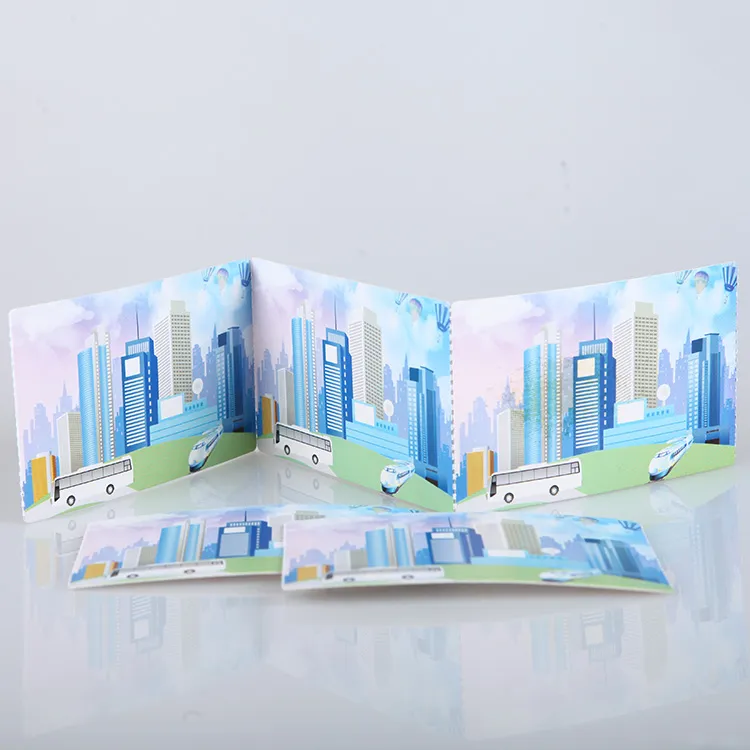
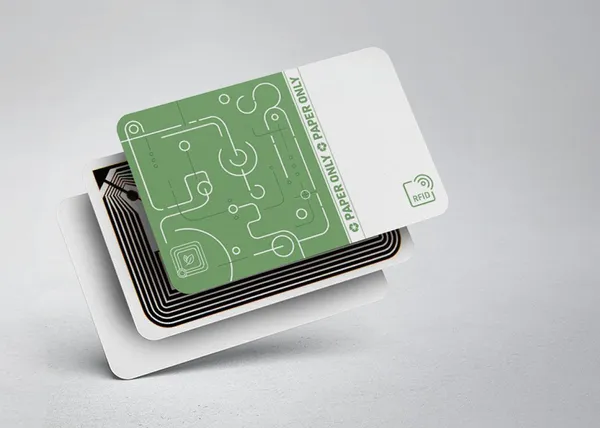
RFID paper cards use an etched aluminium antenna and chip inside a paper body, printable in full colour on both sides and varnished for protection. They are a lower-cost alternative to PVC for high-volume, short-use credentials.
Widely used as single-journey metro and light-rail tickets and at events, they are also known as RFID paper tickets. Confirm the chip, antenna and artwork, then request samples before ordering.
Free standard samples · Quotation within one business day
Product details
What an RFID paper card is
An RFID paper card is a card, or ticket, with a paper or cardboard body instead of plastic. Inside is a chip and an etched aluminium antenna; outside, the card is printed in full colour on both sides and varnished for protection. Paper cards are low-cost, which makes them a common choice for high-volume, short-life uses: single-journey metro and light-rail tickets, event passes and promotions. They are also called RFID paper tickets.
Chip options
Paper cards use the same chips as plastic cards; the body changes, not the electronics. For ticketing the usual choice is a low-cost high-frequency chip.
| Band | Chip options | Typical use |
| HF 13.56 MHz | MIFARE Ultralight, MIFARE Classic, NTAG | Single-journey transit tickets, event and promotion passes |
| UHF 860 to 960 MHz | EPC Gen2 (ISO/IEC 18000-63) | Disposable logistics and inventory labels in card form |
Low-cost HF chips such as MIFARE Ultralight are common for disposable transit tickets because the fare only needs a small, single-use credential. For a reusable card, or a secure multi-ride card, a plastic MIFARE Classic or NFC card is the better body. Send the reader or gate system so we match the chip.
Where paper cards are used
- Transit: single-journey and short-validity metro, bus and light-rail tickets read at fare gates.
- Events: entry passes, session tickets and cashless promotions for concerts, expos and festivals.
- Parking and access: short-term visitor and parking tickets.
- Marketing: printed promotional cards with an NFC tap for a URL or offer.
Limits: what a paper card cannot do
A paper body is chosen for cost and for short use. Be clear about the trade-off before you specify one.
- It is not waterproof or hard-wearing; moisture, folding and pockets shorten its life.
- It suits single or short-term use, not a card carried and tapped every day for years.
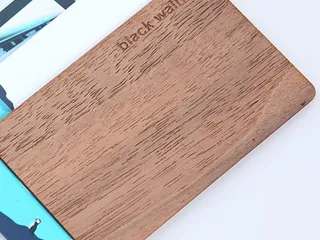
- For daily reuse or a premium feel, consider a PVC, wood or PLA body; for wet conditions, a plastic body or epoxy-covered wood. Test a sample under your own conditions; see the eco RFID card and printed RFID cards.
Specification
| Item | RFID Paper Card / Ticket |
| Body | Coated paper or cardboard, varnished |
| Antenna | Etched aluminium |
| Chip | HF ticketing (MIFARE Ultralight/Classic, NTAG); UHF Gen2 option |
| Frequency | 13.56 MHz (HF) or 860 to 960 MHz (UHF) |
| Printing | CMYK offset both sides, protective varnish |
| Shape | ISO ID-1 or die-cut custom |
| Best for | Single-journey and short-term, disposable use |
| Not suited to | Wet, high-wear or long-term daily reuse |
Printing and numbering
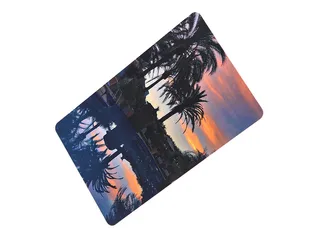
Paper cards print well in full colour on both sides, with a varnish to protect the artwork. Sequential numbers, barcodes and QR codes can be printed to match the chip so the ticket can be validated by gate, by scanner and by eye. Numbered tickets come with an Excel, CSV or XML file that ties each printed number to the chip's UID (for a UHF ticket, its TID or EPC), and tickets we encode are re-read one by one after writing and shipped with a data report (details on the RFID encoding service page). Tell us the artwork, the die-cut shape and how the printed number should relate to the chip ID.
Ordering
For a paper card or ticket order, confirm the chip (or gate and reader system), the artwork, the shape and size, any numbering, and the quantity, which is usually high for this format. Send the details through the inquiry form, by email or on WhatsApp. Standard samples are free (customised samples carry a setup fee), standard lead time is 2 to 3 weeks, and pricing is quote-only. Printing, numbering and encoding options are available for the selected chip and material.
Compare the eco RFID card for PLA, wood and other body materials, printed RFID cards and MIFARE Classic for reusable plastic cards, and hotel key cards for guest-stay cards. Browse all RFID cards.
Frequently asked questions
Are RFID paper cards reusable?
They are designed for single or short-term use, such as a single-journey ticket or an event pass. Paper is not waterproof or hard-wearing, so for a card that is carried and tapped daily, consider a plastic, wood or PLA body and test a sample under your own conditions.
Which chip goes in a paper transit ticket?
Usually a low-cost high-frequency chip such as MIFARE Ultralight, because a single fare needs only a small single-use credential. For multi-ride or secure cards, a MIFARE Classic or DESFire card is more appropriate. Send the gate system to confirm.
Can paper cards be printed in full colour?
Yes. They print in CMYK on both sides and are varnished to protect the artwork, and they can carry printed numbers, barcodes or QR codes that match the chip ID.
Are RFID paper cards recyclable?
We do not describe them as recyclable. Besides the paper body, the card contains a chip and an etched aluminium antenna, so ask your local waste service how such cards should be disposed of rather than assuming paper recycling.
Can I read a paper card with a phone?
If it carries an NFC-capable HF chip such as NTAG, yes, for the intended NDEF content. Test the exact chip with the target phones. A UHF paper label is not NFC and needs a UHF reader.
What do you need for a quote?
The chip or gate system, artwork, shape and size, any numbering, and the quantity. Send it through the inquiry form, by email or on WhatsApp.
Buyer guides
- How to Read an RFID Tag Quotation, Line by Line What decides RFID card and tag prices, and how to compare quotations line by line: unit-price basis, tooling, encoding, samples, freight and Incoterms.
- RFID RFP Template: Questions to Ask Every Supplier An RFID RFP template for distributors: the supplier questions that produce comparable quotes, and how to read the replies against one specification.
- RFID MOQ, Explained: How Minimums Form and How to Discuss Them How RFID MOQ forms from chip lots, inlay rolls, print sheets and setup — and how buyers can discuss a smaller pilot or first order honestly.
Ready to specify your order?
Send the product, quantity and application so we can confirm the options and pricing for your project.