How to Program NFC Tags (Android & iPhone)
Program NFC tags the right way: what NDEF is, which phone apps and desktop readers to use, how locking works and when to order tags pre-encoded.

Choose your language
If this page is not available in your language, the link opens that language’s product catalogue.
Choose your language
If this page is not available in your language, the link opens that language’s product catalogue.
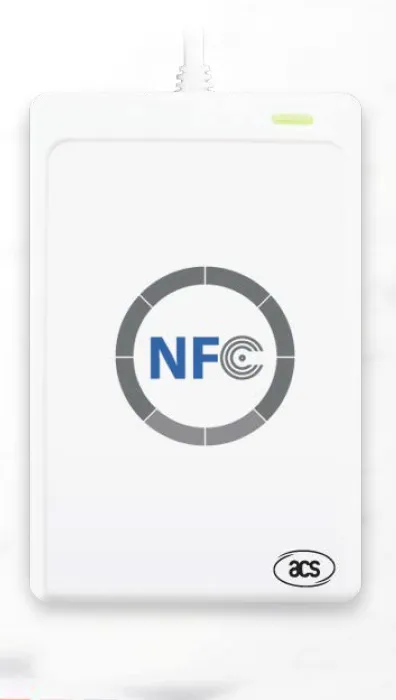
Program NFC tags the right way: what NDEF is, which phone apps and desktop readers to use, how locking works and when to order tags pre-encoded.
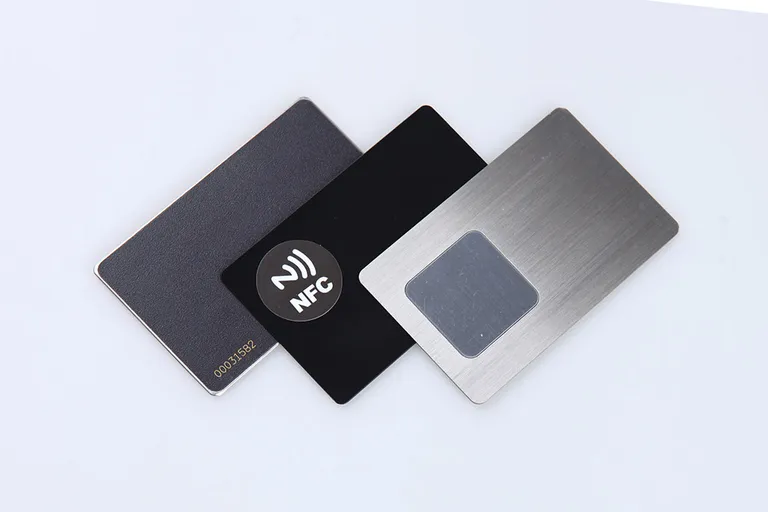
Private-label RFID supply for distributors: white-label vs OEM, artwork ownership, print-ready files, reorders and the clauses that prevent rework.
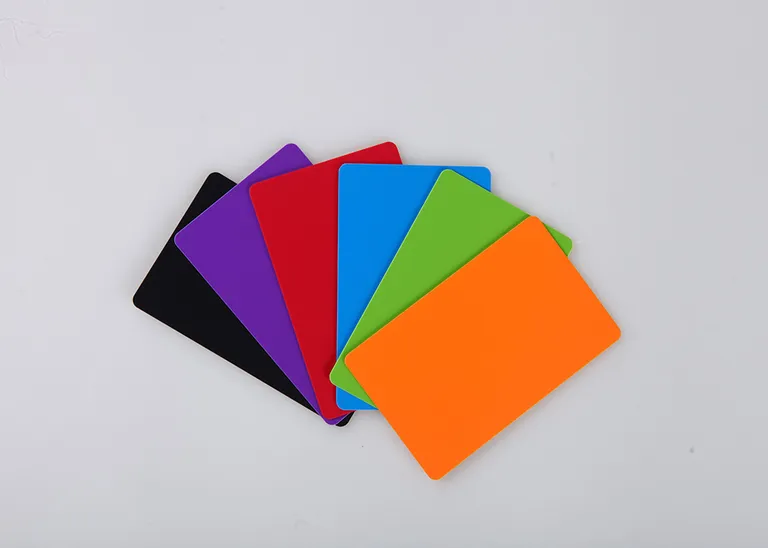
Compare RFID quotes properly: unit-price basis, tooling, encoding, samples, freight and Incoterms, validity and payment — the lines that decide real cost.
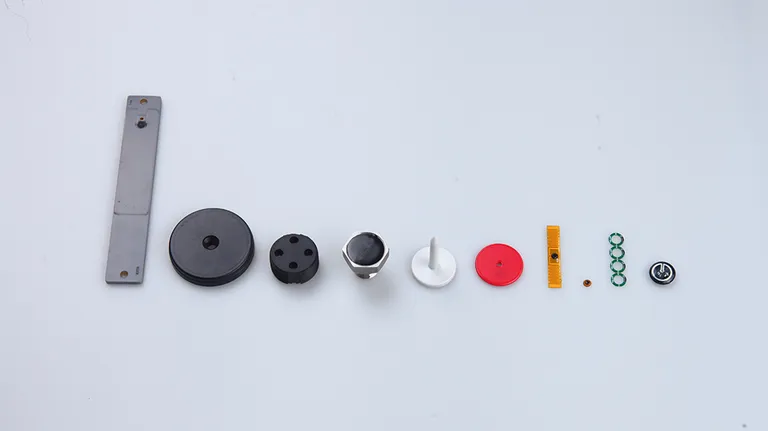
Where an RFID minimum order quantity comes from — chip lots, inlay rolls, print sheets and setup — and how to discuss a smaller first order honestly.
The questions that make RFID supplier quotes comparable — chip, format, print, encoding, samples, docs, lead time, packaging, warranty and terms.
UID versus user memory, how much different RFID chips actually hold, NDEF against raw sectors and applications, and which encoding to keep in-house.
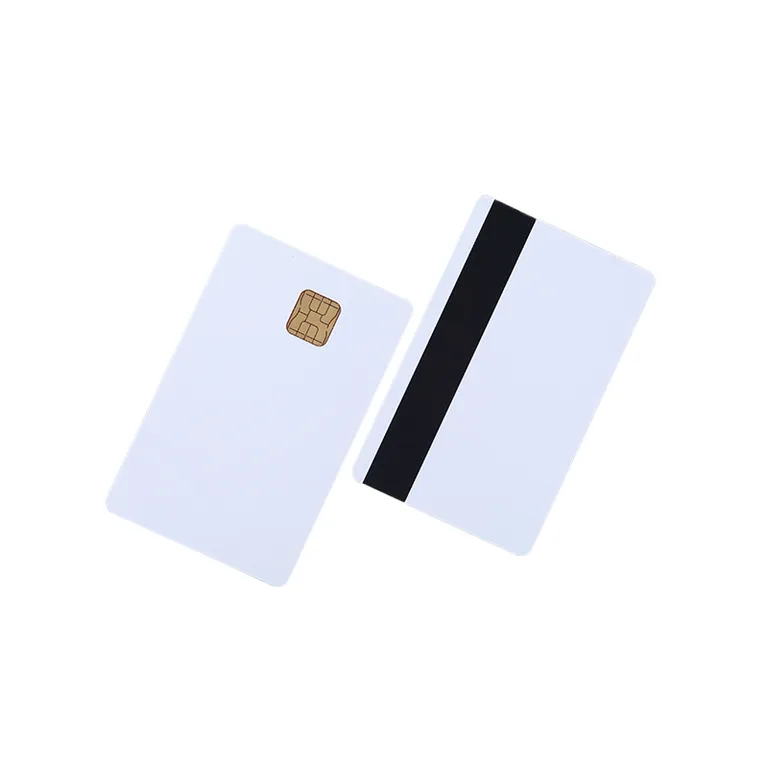
What Java Card is as a platform, how JCOP implements it on NXP silicon, and why an integrator needs the applet and keys settled before ordering.
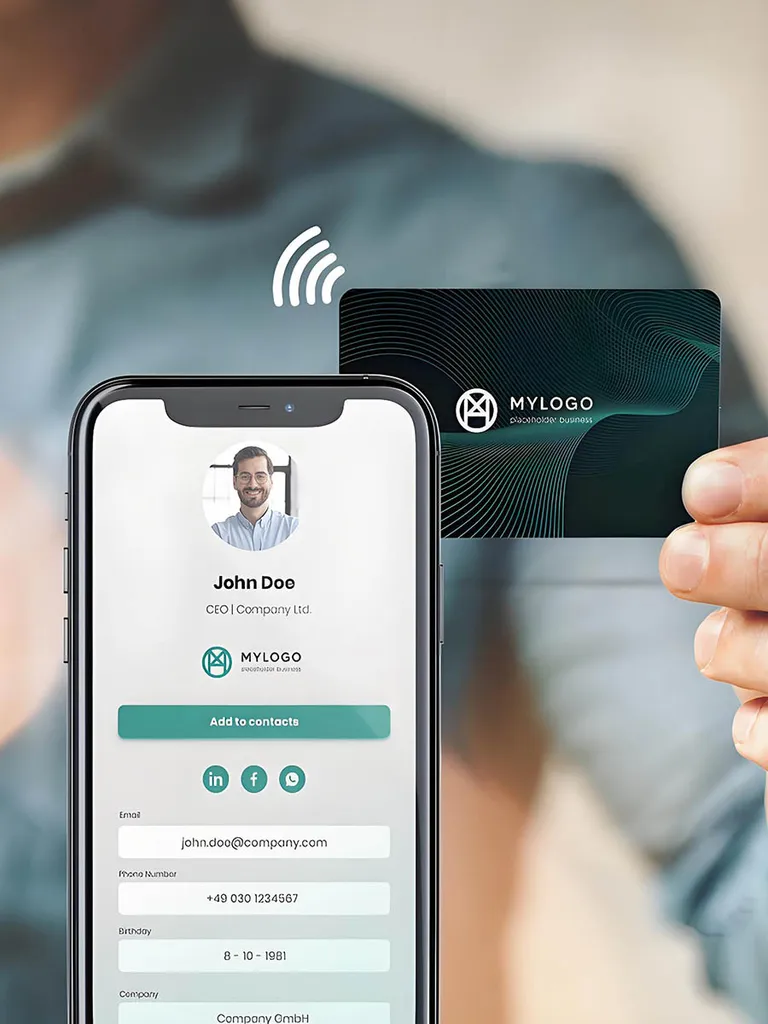
How a passive NFC tag talks to a phone, why an unformatted tag does nothing, and what iPhone and Android each do with a tap.
RFID frequencies explained: LF at 125 kHz, HF at 13.56 MHz and UHF at 860-960 MHz differ in range, coupling and how they cope with metal and water.
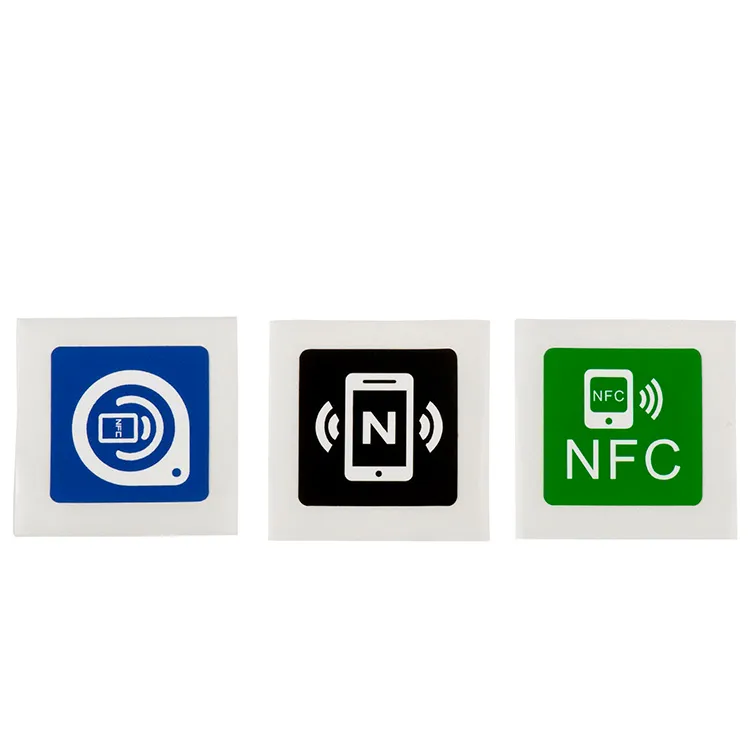
The difference between NFC and RFID, explained: NFC is a subset of HF RFID at 13.56 MHz, defined by the NFC Forum, with short range and phone support.
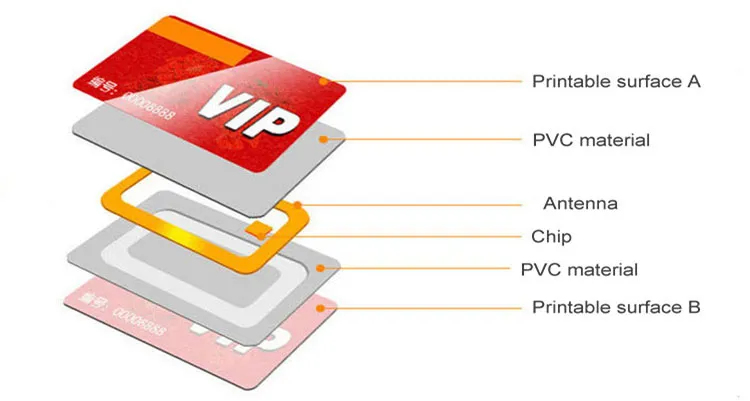
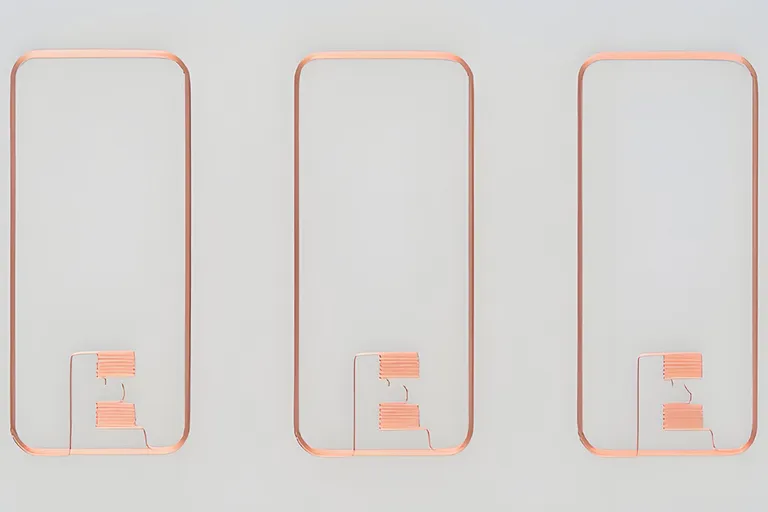
How an RFID card works: a laminated antenna coil harvests power from the reader's field, a tiny chip replies by load modulation, and no battery is involved.
Plan a MIFARE Plus card order around the exact chip, reader configuration, identifier format and a verified migration pilot.

How to buy RFID hotel key cards: which chip your locks accept, how encoding works, card materials and print, and how to pilot samples before a batch.
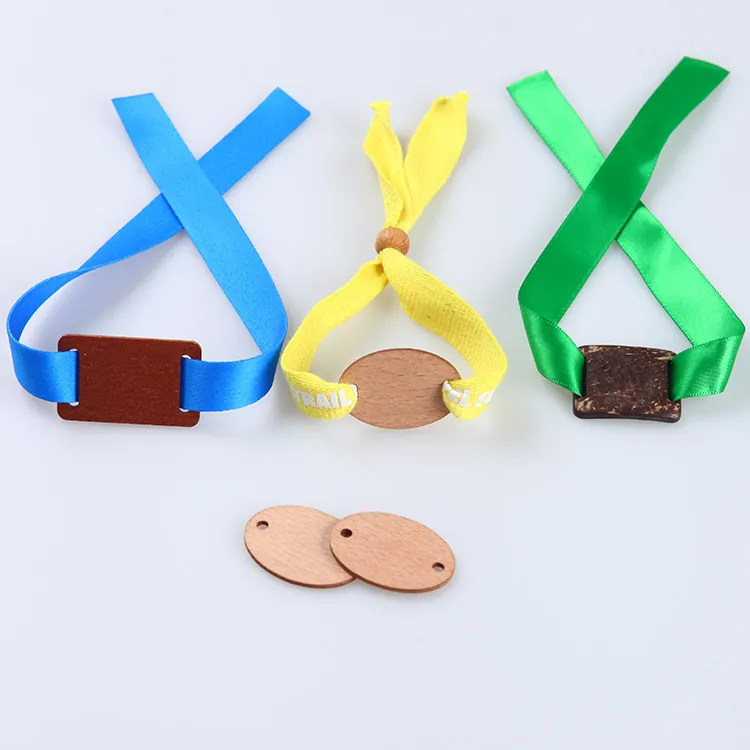
Specify event wristbands around the installed platform: chip, fit, printing, encoding and sample checks before a batch order.
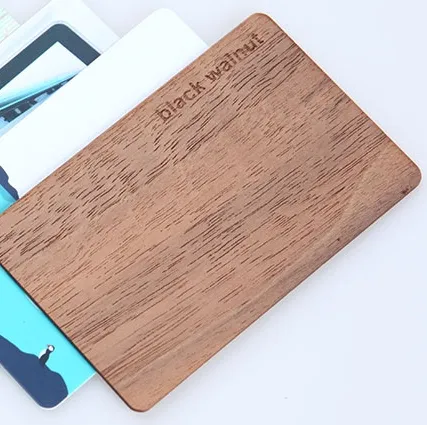
A buyer's guide to wooden RFID and NFC cards: wood and bamboo options, laser and print finishes, chip choices, and how to sample and order a batch.
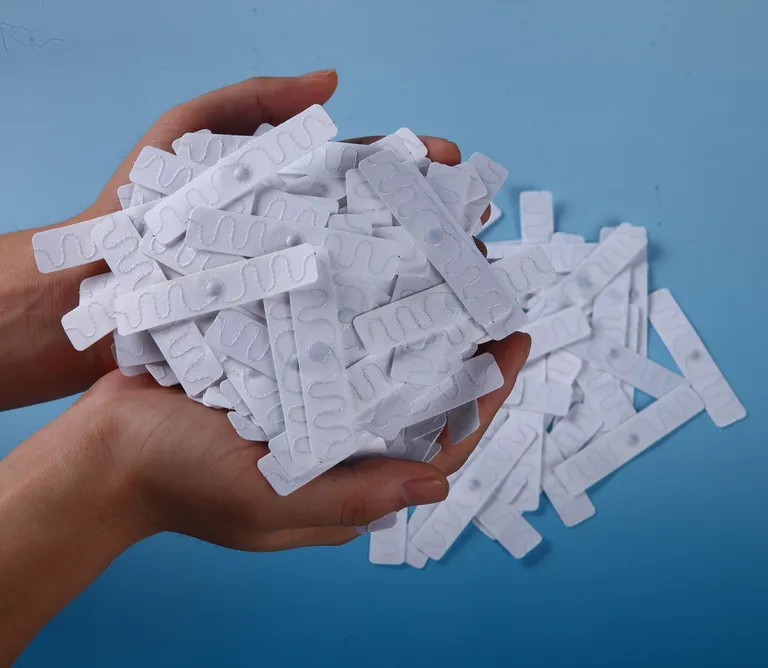
A buyer's guide to RFID laundry tags: PPS, silicone and textile types, the wash factors that decide durability, UHF vs HF reader fit, and how to order.