RFID Cards
Dual Interface Card
A dual-interface card merges two readers into one credential — the gold contact pad for ATMs and ID terminals, the antenna for tap-and-go — so one issued card works everywhere the holder goes.
A dual interface card is a smart card with a contact interface and a contactless interface on one secure chip: insert it through the gold ISO/IEC 7816 contact pad or tap it on an ISO/IEC 14443 reader to reach the same application and stored data, where the application is enabled on both interfaces. It is the construction behind EMV bank cards, national ID cards and many transit and campus cards. Specify the chip or platform, who personalises it, the artwork and options, and approve a sample before the batch.
Free standard samples · Quotation within one business day
Product details
What a dual interface card is
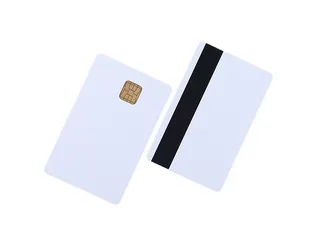
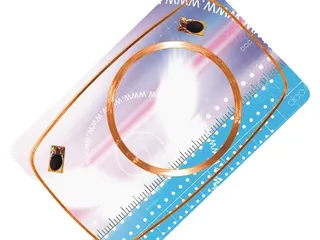
A dual interface card is a card with a contact interface and a contactless interface. On the cards described here both interfaces lead to a single secure chip: the gold contact pad on the surface, and a contactless antenna embedded in the card body. The same chip, memory and keys serve both, so a card can be inserted into a contact reader or tapped on a contactless reader and behave as one credential. This is the construction used by modern EMV bank cards, national ID cards and many transit and campus cards.
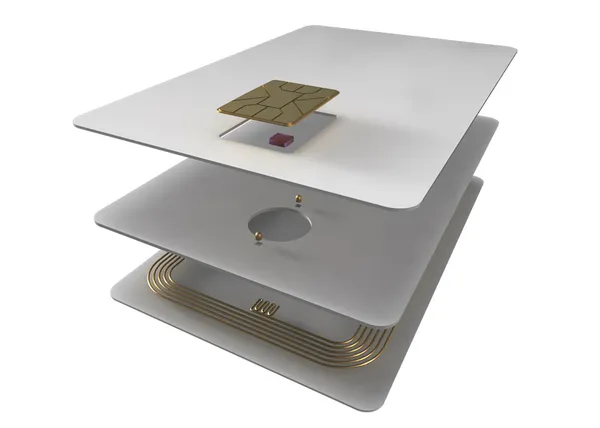
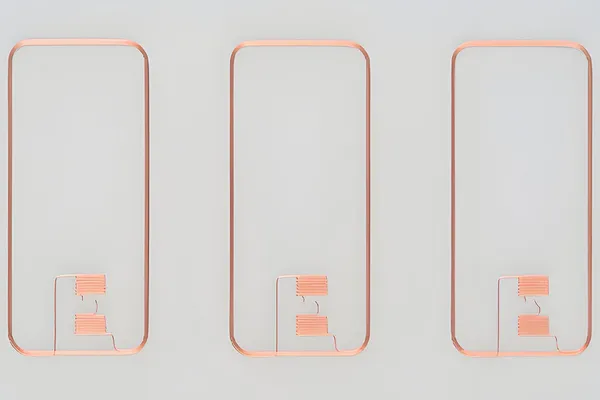
One chip, two interfaces
The contact interface follows ISO/IEC 7816, which defines the physical contact pad, the electrical signals and the command protocol used when the card is inserted. The contactless interface follows ISO/IEC 14443 at 13.56 MHz, the proximity standard used for tap-and-go. Both interfaces are wired to the same silicon die, so an application and its data live once on the card and are available whichever way the card is read, where the application is enabled on that interface.
| Interface | Standard | Commands carried by | How the card is used |
| Contact pad | ISO/IEC 7816 | ISO/IEC 7816-3 protocol T=0 or T=1 | Card inserted into a slot reader (ATM, chip-and-PIN terminal, PC smart-card reader) |
| Contactless antenna | ISO/IEC 14443, 13.56 MHz | ISO/IEC 14443-4 (T=CL) | Card tapped on a proximity reader (transit gate, tap payment, door) |
Dual interface versus combi card
They are different products. A dual interface card is a card with a contact interface and a contactless interface, here both on one chip. A combi card is a multi-chip card: two or more separate chips in one card body, usually contactless, such as 125 kHz + 13.56 MHz or HF + UHF, each with its own reader. The combi card page compares the two side by side.
Chip and card operating system
Dual interface cards usually run a card operating system rather than a fixed-memory chip. Java Card is the most common platform: applets for payment, identity or transport are loaded onto the secure element and managed under GlobalPlatform. See the Java Card page for the operating system side. The exact chip, applet set and security certification are defined by the issuing scheme, so tell us the platform and profile your project requires.
Personalisation: one chip, loaded once
Because there is one chip, the application, keys and data are loaded once and then serve both the contact and the contactless side; check which interfaces are enabled in the offered card configuration. Loading a payment or identity credential onto the secure element is done by the issuing scheme or an authorised, certified personalisation bureau; we do not issue banking or government credentials. We supply dual interface card bodies and inlays to your agreed specification, with print, magnetic stripe, signature panel, embossing and hologram options. Confirm in the quotation which party performs chip personalisation and which does print and physical finishing.
Testing a sample on both interfaces
- Contact side. Insert the sample in an ISO/IEC 7816 contact reader. Check that the ATR and protocol (T=0 or T=1) match what your software or tooling expects, then select your application and run its commands.
- Contactless side. Present the same card to a 13.56 MHz reader that supports ISO/IEC 14443-4 APDUs, such as the PC/SC ACR122U. Select the same application and read the same stored data; it should match what the contact side returned. Responses that include a counter, a random challenge or a cryptogram differ on every call by design, so compare stored data, not those responses.
- Enabled interfaces. Confirm that every application you need is enabled on both interfaces in the offered card configuration.
- Door readers separately. If the card must also open a MIFARE door reader, test that on the installed reader. On NXP's JCOP 4 platform, for example, MIFARE Classic, Plus and DESFire implementations are options, so dual interface capability alone does not establish MIFARE emulation.
- Scheme cards. For payment or government ID cards, the issuing scheme and its certified bureau handle personalisation and approval; use the sample to check the card body, print and finishing against your specification.
The ACR122U and the µFR Classic CS are contactless readers, so the contact test needs a contact smart-card reader.
Specification
| Item | Dual Interface Card |
| Chip | Single dual-interface secure IC |
| Contact interface | ISO/IEC 7816 contact pad |
| Contactless interface | ISO/IEC 14443 Type A/B, 13.56 MHz |
| Operating system | Java Card or native, application-dependent |
| Size | ISO ID-1, 85.60 x 53.98 mm, 0.76 mm |
| Body | PVC, PET or polycarbonate |
| Options | Magnetic stripe, signature panel, embossing, hologram, photo ID |
| Personalisation | By the issuer or an authorised bureau |
Where dual interface cards are used
- Payment: EMV bank cards that work in a chip terminal and as a contactless tap.
- Government and national ID: identity, health and residence cards read at contact desks and contactless gates.
- Transit and campus: one card for fare gates (contactless) and point-of-sale or enrolment (contact).
- Corporate and PKI: logical-access cards that log a user into a PC by contact and open a door by tap.
Ordering
For a dual interface order, state the chip or platform (for example a Java Card profile), the required interfaces and security, the artwork and any magnetic stripe or signature panel, and who performs chip personalisation. Send the details through the inquiry form, by email or on WhatsApp.
Compare the Java Card operating system, MIFARE DESFire cards for contactless-only credentials, printed RFID cards for the artwork keep-out zone around the contact module, and the full RFID cards range.
Frequently asked questions
Is a dual interface card the same as a combi card?
No. A dual interface card is a card with a contact interface and a contactless interface, both on one chip, so one application answers through either. A combi card is a multi-chip card: two or more separate chips in one card body, usually contactless, such as 125 kHz + 13.56 MHz, each with its own reader.
Do both interfaces share the same data?
Yes. Both interfaces connect to the same chip, so the application and its data exist once and are available whether the card is inserted or tapped, where it is enabled on both interfaces. That is how one EMV card can be used in a slot reader and as a contactless tap; check which interfaces are enabled in the offered card configuration.
What standards do dual interface cards use?
The contact side follows ISO/IEC 7816, with commands carried by the T=0 or T=1 protocol of ISO/IEC 7816-3. The contactless side follows ISO/IEC 14443 at 13.56 MHz, with commands carried under ISO/IEC 14443-4. The card operating system is often Java Card, managed under GlobalPlatform.
How do I test a dual interface sample?
Insert it in a contact reader and check the ATR and protocol your software expects, then tap it on an ISO/IEC 14443-4 reader, select the same application and read the same stored data, which should match. Responses that include a counter, a random challenge or a cryptogram differ on every call by design. Test any door-reader function separately, because dual interface capability alone does not establish MIFARE emulation.
Can you produce our bank or ID cards?
We supply card bodies and inlays to specification with print and physical finishing. Loading a payment or government credential onto the secure element is done by the issuing scheme or a certified bureau; we do not issue those credentials. Tell us who handles chip personalisation.
Can a dual interface card have a magnetic stripe?
Yes. Magnetic stripe (HiCo or LoCo), signature panel, embossing, hologram and photo ID are all available alongside the contact and contactless interfaces. Confirm the combination you need in the quotation.
What do you need for a quote?
The chip or platform and profile, the required security, the interfaces, quantity, artwork, any stripe or panel, and who performs chip personalisation. Send it through the inquiry form, by email or on WhatsApp.
Buyer guides
- Java Card and JCOP: The Smart Card OS Explained Java Card and JCOP explained: the JCVM and applets, GlobalPlatform, ISO 7816-4 APDUs, interfaces, unfused cards, and what to specify before ordering.
- How to Read an RFID Tag Quotation, Line by Line What decides RFID card and tag prices, and how to compare quotations line by line: unit-price basis, tooling, encoding, samples, freight and Incoterms.
- RFID RFP Template: Questions to Ask Every Supplier An RFID RFP template for distributors: the supplier questions that produce comparable quotes, and how to read the replies against one specification.
Ready to specify your order?
Send the product, quantity and application so we can confirm the options and pricing for your project.