RFID Cards
Inkjet PVC ID Card
Inkjet PVC cards are the ID card for offices without a card printer — an ink-receptive coating that takes full colour from a standard desktop inkjet — at a fraction of the cost of a dye-sublimation setup.
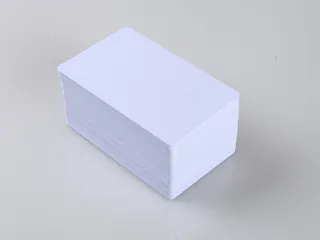
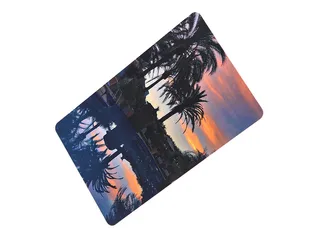
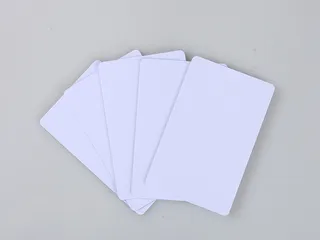
Inkjet-printable PVC ID cards have an inkjet-receptive coated surface, so you can print full-colour badges in-house on a standard inkjet card printer. Available blank or with an LF, HF or UHF RFID inlay for access and identification. Confirm the chip, card size and print finish, and test a sample before ordering.
Free standard samples · Quotation within one business day
Product details
What an inkjet PVC ID card is
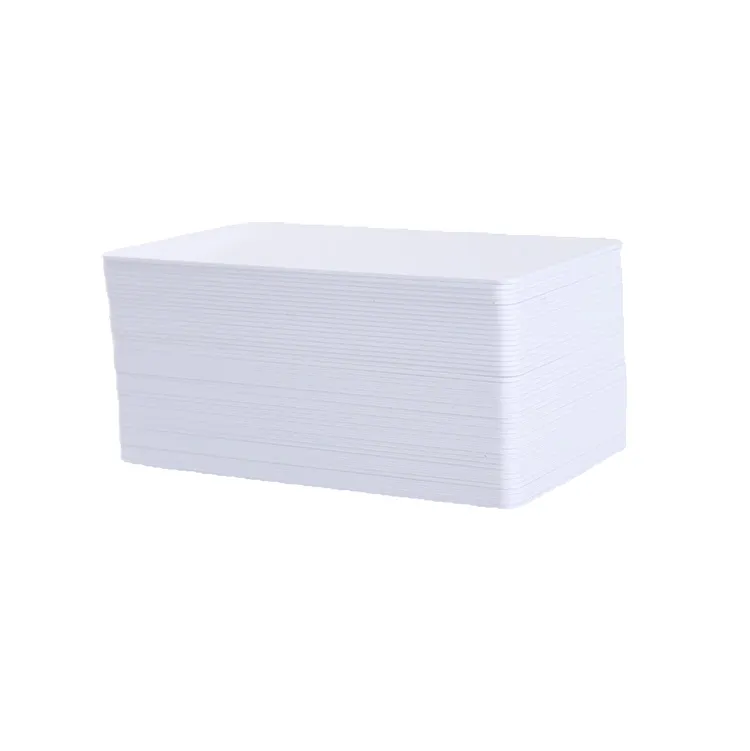
An inkjet PVC ID card is a PVC card with a special inkjet-receptive coating on the surface, so that ink from a desktop inkjet card printer sits and dries on the card instead of beading off the smooth plastic. It lets an office print full-colour photo ID badges in-house, one at a time, on affordable inkjet hardware, with an optional LF, HF or UHF RFID inlay for access and identification. The card keeps the standard ISO/IEC 7810 ID-1 size, 85.60 x 53.98 mm and 0.76 mm thick.
Which printers print these cards
Inkjet ID cards are made for inkjet card printers, not for the dye-sublimation ribbon printers that most "card printers" use.
- Inkjet card printers built on Epson or Canon inkjet engines print edge to edge directly onto the coated card.
- Desktop inkjet printers with a card tray can also print them, as long as the paper path handles a rigid 0.76 mm card.
- A standard dye-sublimation card printer uses a ribbon and does not need, or work well with, an inkjet coating; for those, order a blank RFID card instead.
- Confirm your printer accepts a 0.76 mm PVC card and prints on coated inkjet media before ordering in volume.
Coating, ink and drying
- The coating can be applied to one side or both sides; specify which you need to print.
- Pigment inks are generally more water- and light-resistant than dye inks on these cards.
- Allow the printed card to dry before handling or laminating, so the ink sets on the coating.
- For durability, add an overcoat or laminate: an inkjet card without protection is more sensitive to water and rubbing than a dye-sublimation or factory-printed card.
Inkjet versus dye-sublimation versus factory print
| Method | Card needed | Best for |
| Inkjet (in-house) | Inkjet-coated PVC (this card) | Low-cost, low-volume colour ID printed as needed; water-sensitive without a laminate |
| Dye-sublimation (in-house) | Standard smooth blank card | Durable in-house colour ID, needs a ribbon card printer |
| Factory print | Printed RFID card | Consistent design across larger runs, offset or screen quality |
Chip options
The inkjet coating is independent of the chip, so you can add any inlay your system needs.
| Band | Chip options | Typical use |
| LF 125 kHz | EM4200, EM4305, T5577 | Proximity access and attendance |
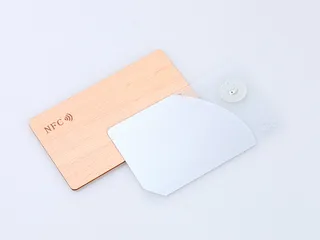
| HF 13.56 MHz | MIFARE, NTAG | Secure access, NFC and phone-readable cards |
| UHF 860 to 960 MHz | EPC Gen2 | Long-range identification |
See EM4200, MIFARE Classic and NFC cards, or send your reader model so we match the chip.
Specification
| Item | Inkjet PVC ID Card |
| Body | PVC with inkjet-receptive coating (one or both sides) |
| Printers | Inkjet card printers (Epson/Canon-based) or card-tray inkjet printers |
| Ink | Pigment or dye; overcoat or laminate for water resistance |
| Chip | Optional LF, HF or UHF inlay, to your specification |
| Size | ISO ID-1, 85.60 x 53.98 mm, 0.76 mm |
| Finish | Matte or glossy coating; white |
Ordering
For an inkjet ID card order, confirm your printer model, whether you print one side or both, the chip (or reader model), and whether you want a matte or glossy coating. Send the details through the inquiry form, by email or on WhatsApp. Standard samples are free (customised samples carry a setup fee), standard lead time is 2 to 3 weeks, and pricing is quote-only. Printing, numbering and encoding options are available for the selected chip and material.
Compare a smooth blank RFID card for dye-sublimation printers, printed RFID cards for factory printing, and MIFARE and NFC chips. Browse all RFID cards.
Plan the application
Frequently asked questions
What makes an inkjet PVC card different from a normal PVC card?
A special inkjet-receptive coating on the surface lets inkjet ink sit and dry on the card instead of beading off smooth plastic. Without that coating, a desktop inkjet printer cannot print a clean image on PVC.
Which printers can print inkjet ID cards?
Inkjet card printers built on Epson or Canon engines, and desktop inkjet printers with a card tray that handles a rigid 0.76 mm card. A dye-sublimation ribbon printer is not the right match; use a smooth blank card for those.
Are inkjet-printed cards waterproof?
Not on their own; the printed surface is more sensitive to water and rubbing than dye-sublimation or factory print. Use pigment ink and add an overcoat or laminate for durability.
Can an inkjet ID card have an RFID chip?
Yes. The coating is independent of the chip, so you can add an LF chip such as EM4200, an HF chip such as MIFARE or NTAG, or a UHF Gen2 chip. Match it to your reader.
Should I coat one side or both?
Coat the side, or sides, you intend to print. If you print both faces, order double-sided coating; single-sided is enough for a printed front with a plain back.
What do you need for a quote?
Your inkjet printer model, one-sided or double-sided printing, the chip or reader model, the coating finish and quantity. Send it through the inquiry form, by email or on WhatsApp.
Buyer guides
- How to Read an RFID Tag Quotation, Line by Line What decides RFID card and tag prices, and how to compare quotations line by line: unit-price basis, tooling, encoding, samples, freight and Incoterms.
- RFID RFP Template: Questions to Ask Every Supplier An RFID RFP template for distributors: the supplier questions that produce comparable quotes, and how to read the replies against one specification.
- RFID MOQ, Explained: How Minimums Form and How to Discuss Them How RFID MOQ forms from chip lots, inlay rolls, print sheets and setup — and how buyers can discuss a smaller pilot or first order honestly.
Ready to specify your order?
Send the product, quantity and application so we can confirm the options and pricing for your project.