RFID & NFC Labels
UHF RFID Jewelry Tags: Small Labels for Jewelry Inventory and Anti-Theft
Small UHF RFID jewelry tags bring item-level tracking to rings, necklaces, earrings and watches: each piece carries its own tag, so a stocktake reads a tray or a case in one pass instead of piece by piece, and the count matches each tag to its record.
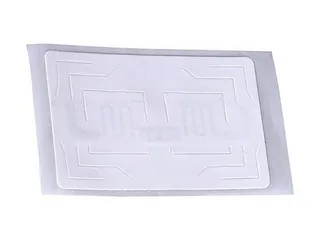
A small UHF RFID label for individual jewelry pieces, printed with a price or barcode on request, for inventory counts and counter checks. Confirm the offered tag, chip and print, then test samples on your own pieces and reader before ordering.
Free standard samples · Quotation within one business day
Product details
Small UHF tags for jewelry — in brief
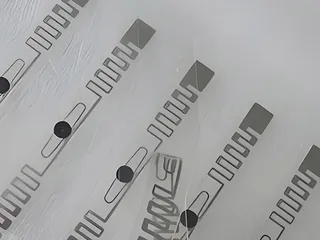
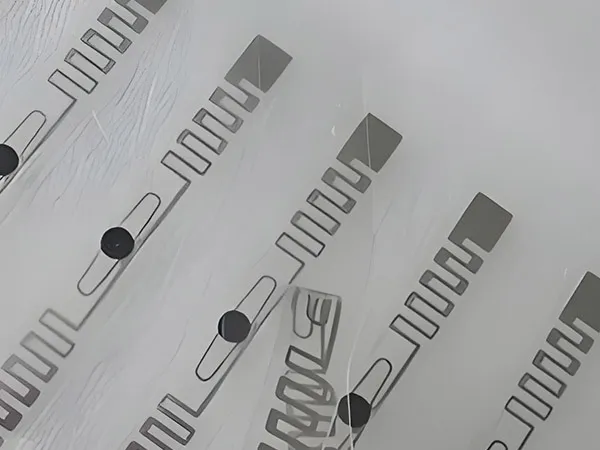
A small UHF RFID jewelry tag is a label for one piece of jewelry: a ring, a necklace, an earring or a watch. It carries a UHF chip and antenna built to the EPC Gen2 standard (ISO/IEC 18000-63), and its identifier links the piece to its record in your inventory. A stocktake reads a tray or a case in one pass instead of piece by piece, and at the counter a read confirms the piece matches its record before it leaves. A price or barcode can be printed on the tag on request. Confirm the offered tag, chip and print, then test samples on your own pieces and reader before ordering.
Why UHF for jewelry
Jewelry stocktakes are slow when every piece is counted by hand, and a small piece is easy to misplace between the display, the safe and the counter. UHF reads many tags in one pass, so a tray or a case is counted without handling each piece, and the count is checked against the record for every tag read. That is the whole case for UHF on jewelry: fewer touches, a faster count, and a record that names each piece instead of a total.
The read depends on the tag, the piece and the reader setup together, so no single read figure applies to every piece. Plan the stocktake around a handheld UHF reader, and check the setup on a full tray before relying on it. For larger items and packaging, the UHF RFID labels cover the bigger formats, and the UHF inlay is the bare inlay form for embedding in your own label.
Small size and print
A jewelry tag has to be small enough to sit with the piece without hiding it, and discreet enough not to distract a customer looking at the display. The label is sized for the piece it serves, and its attachment and placement are confirmed for the offered model — a tag that suits a necklace may not suit a ring, so check the size and the fixing on the actual pieces before the order.
Printing is an option agreed in the quotation: a price, a barcode or a visible number can be printed on the tag, and the printed data matches the tag's encoded identifier. If the tag carries a barcode, confirm the print layout and the data file format with the order, and check a printed sample against your software before the batch.
| Item | Confirm for the offered tag |
| Tag size and attachment | Dimensions and fixing, checked on the actual pieces |
| Price, barcode or number — layout and data file format | |
| Chip and memory | Exact chip, part number, EPC and any user memory |
| Band | UHF; confirm the model's regional operating band for your country |
| Reader | Handheld or fixed reader, and the setup used for the stocktake |
Metal and the read
Metal reflects UHF signals, and a piece of gold or silver sits close to the tag it carries, so a tag tuned for another material can be detuned by the piece itself. That does not make UHF wrong for jewelry, but it makes the sample trial the decision: test samples on your actual pieces — rings, necklaces, earrings — with the reader you will use, and confirm the offered tag on those results. A tag that reads well on one piece may not read the same on another, so the trial should cover the range of pieces you sell, not one example.
At the counter
At the counter, a read confirms the piece matches its record before it leaves: the tag read at the sale is checked against the record for that piece, and a mismatch flags the wrong piece while it is still in front of you. The tag then goes with the piece or is removed at the counter — confirm which in the order, and agree what happens to the record in each case.
The counter check is only as good as the record behind it, so the piece, the tag and the record have to agree before the sale, not after it. Share the piece types, the reader and the country of use through the contact page, and we will propose a tag with its chip, band and print options for a sample trial.
Before you order
- Pieces and tag size: piece types, tag dimensions and attachment, checked on the actual pieces and their display.
- Print: price, barcode or number — layout and data file format, agreed with the order.
- Chip and band: exact chip, part number, EPC and any user memory; UHF band for your country of use.
- Reader and stocktake: reader model and setup, and how a tray or case will be counted.
- Metal: the range of pieces the tag will sit on, so the sample trial covers gold, silver and other metals you sell.
- Quantity and samples: quantity for the first order, and a sample trial on your own pieces and reader before ordering.
Ordering information
| Minimum order | Confirmed in the quotation |
| Samples | Free standard samples; setup fee applies to customized samples |
| Lead time | 2–3 weeks standard production |
| Pricing | Confirmed in the quotation |
| Quotation | Within 1 business day |
Frequently asked questions
Will a UHF tag read on metal jewelry?
Metal reflects UHF signals and can detune a tag tuned for another material, so the read depends on the tag, the piece and the reader setup together. Test samples on your actual pieces — rings, necklaces, earrings — with the reader you will use, and confirm the offered tag on those results before ordering.
Can the tag carry a price or barcode?
Printing a price, a barcode or a visible number is an option agreed in the quotation, and the printed data matches the tag's encoded identifier. Confirm the print layout and the data file format with the order, and check a printed sample against your software before the batch.
How do I stocktake a display case?
Read the case with a handheld UHF reader, then compare the tags read against your records. The count is only as complete as the read, so check the reader setup on a full case before relying on it.
What size tag fits a ring?
Sizes are confirmed for the offered model: request the tag's dimensions and check them against the piece and its display. A tag that fits a necklace may not suit a ring, so confirm the attachment and placement on the actual pieces.
Can customers see the tag?
The tag is small and sits with the piece or its display, and its placement is agreed with the order. If the tag must stay out of sight, say so in the enquiry and check the placement on a sample.
What happens to the tag at the counter?
The tag is read at the counter to confirm the piece matches its record, then it goes with the piece or is removed — confirm which in the order. A mismatch flags the wrong piece before it leaves the counter.
Do you make larger RFID labels too?
Yes — the UHF RFID labels cover larger items and packaging, and the UHF inlay is the bare inlay form for embedding in your own label. Confirm which form fits the item.
Buyer guides
- How to Read an RFID Tag Quotation, Line by Line What decides RFID card and tag prices, and how to compare quotations line by line: unit-price basis, tooling, encoding, samples, freight and Incoterms.
- RFID RFP Template: Questions to Ask Every Supplier An RFID RFP template for distributors: the supplier questions that produce comparable quotes, and how to read the replies against one specification.
- RFID MOQ, Explained: How Minimums Form and How to Discuss Them How RFID MOQ forms from chip lots, inlay rolls, print sheets and setup — and how buyers can discuss a smaller pilot or first order honestly.
Ready to specify your order?
Send the product, quantity and application so we can confirm the options and pricing for your project.