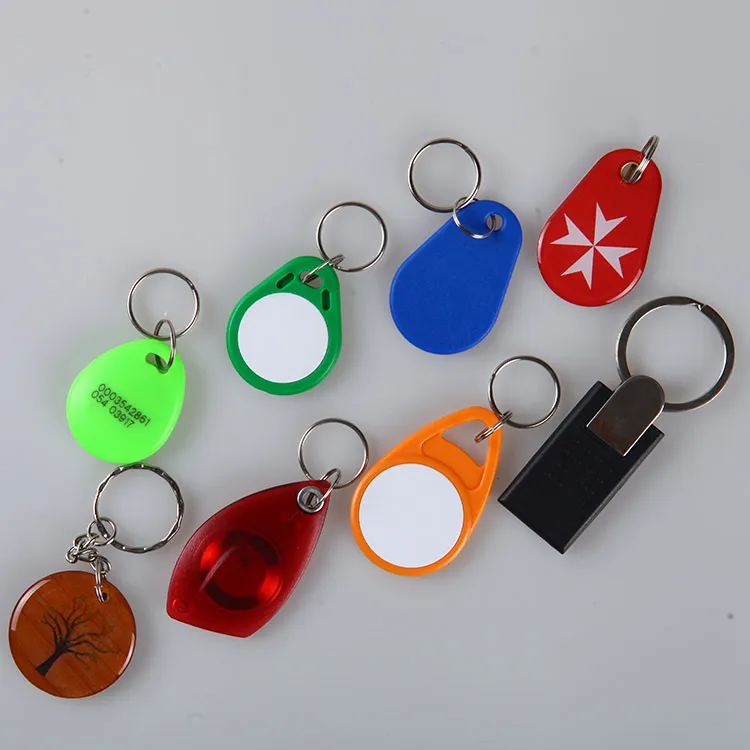
RFID Key Fobs
RFID Key Fob
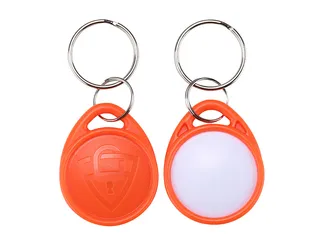
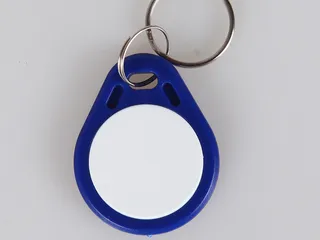
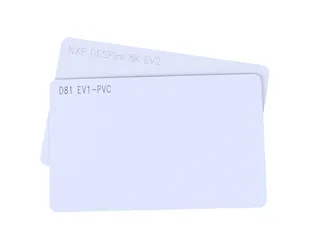
RFID key fobs are the pocket-sized alternative to access cards — same chips (125 kHz, 13.56 MHz, or dual-frequency), sealed in ABS, epoxy, leather or silicone for keyrings, gym bags and vehicle ignitions.
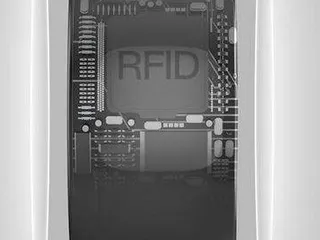
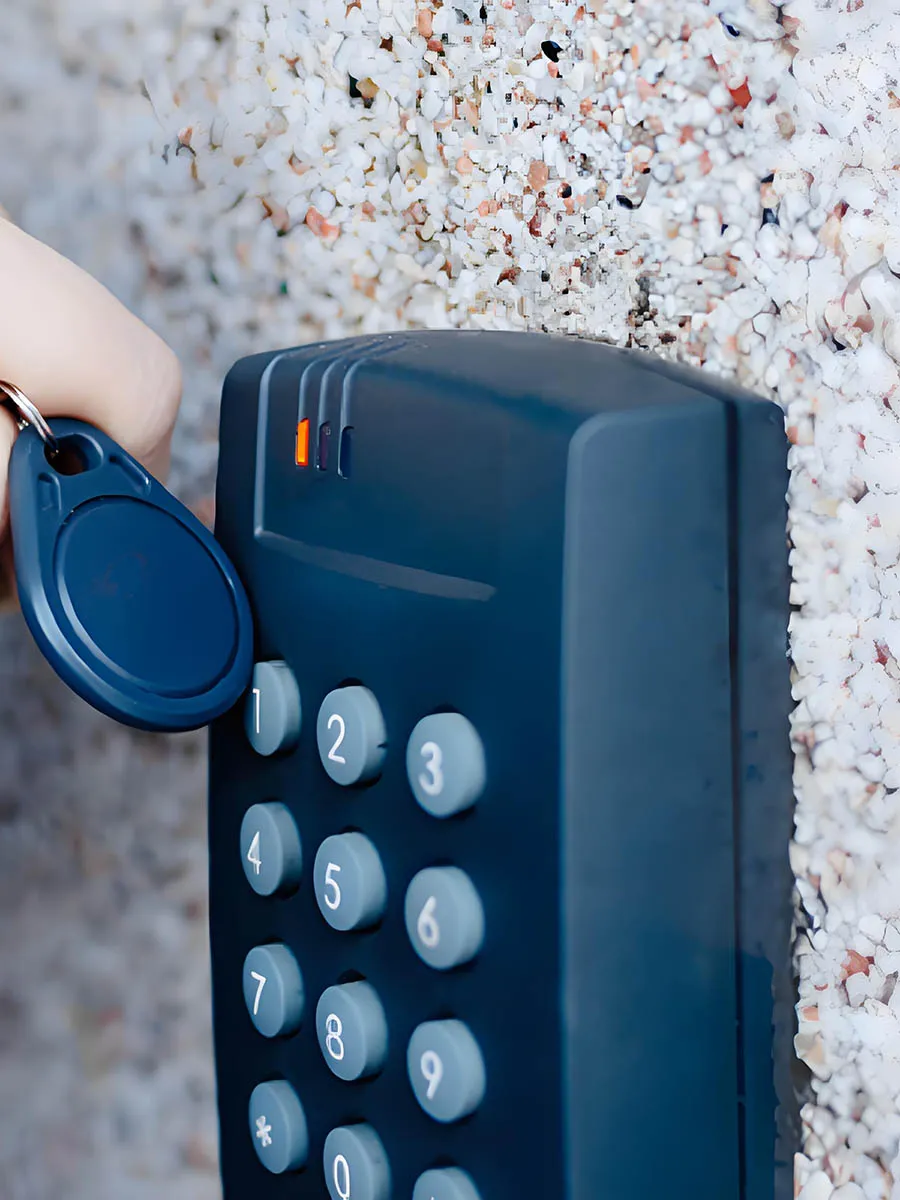
An RFID key fob is a keyring credential: a chip and its antenna sealed in a small body that the reader powers and reads at a few centimetres. We make fobs with a 125 kHz chip, a 13.56 MHz chip or both (dual-frequency), in ABS, epoxy, leather, silicone and other bodies, printed or laser-engraved with your logo and numbers, and supplied blank or encoded to your specification. Tell us the chip your readers accept, then test free standard samples before ordering in volume.
Free standard samples · Quotation within one business day
Product details
Three things you specify in a key fob
Every fob order comes down to three choices. The chip must be one your reader accepts. The body around the chip and its antenna decides how the fob survives years on a keyring, in a pocket or at an outdoor gate. The marking, a printed or engraved logo and number, ties each fob to a person in your records. This page covers all three, plus encoding, samples and ordering.
Specification
| Item | RFID Key Fob |
| Material | ABS, PC, FR4, wood, PVC, epoxy, leather, silicone |
| Frequency | 125 kHz (LF), 13.56 MHz (HF), or both in a dual-frequency fob |
| Protocol | ISO/IEC 14443 for the 13.56 MHz chips |
| LF chips | EM4200 (the chip in our "EM4100" fobs), EM4305 (genuine EM Microelectronic), T5577 (Microchip's genuine ATA5577C), HITAG 1/2/S |
| HF chips | MIFARE Classic EV1 1K/4K (genuine NXP MF1S50/MF1S70), MIFARE Plus, MIFARE DESFire 2K/4K/8K, NTAG |
| Colour | White, black, green, blue or customised |
| Reading distance | 2–10 cm, depending on the reader |
| Write endurance | LF chip minimums: 100,000 cycles for the T5577 and HITAG 2, 1,000 for the EM4305 |
| Data retention | LF chip minimums: 10 years at 55 °C (T5577, EM4305, HITAG 2) |
| Working temperature | 125 kHz fobs: −40 °C to 65 °C. 13.56 MHz fobs: confirmed per chip and body in the quotation; NXP rates the MIFARE Classic EV1 and NTAG21x ICs for −25 °C to +70 °C ambient |
| Printing and marking | Silk-screen, UV printing, laser engraving, sequential numbering, QR code |
| Delivery state | Blank, or encoded to your specification with every fob read back |
Chip options
The same bodies take chips from both bands. What differs is what each chip stores and what can be written to it before delivery:
| Chip | Band | What it holds | Before delivery |
| EM4200, sold as "EM4100" | 125 kHz | A fixed ID laser-programmed into ROM | Read-only: we print its ID or a running number and pair the two in the ID list |
| T5577 (Microchip ATA5577C) | 125 kHz | Seven 32-bit user blocks | Encoded to your format and number range; password or block locks on request, and a locked block cannot be changed later |
| EM4305 (EM Microelectronic) | 125 kHz | 512-bit EEPROM with a factory 32-bit UID | Encoded to your format; its password word can be written but never read back |
| HITAG 1, 2 or S | 125 kHz | HITAG 2: 256-bit EEPROM, 128 bits of it user data | For systems already built on it (NXP no longer recommends the family for new designs); the part is confirmed per order |
| MIFARE Classic EV1 1K or 4K (NXP MF1S50/MF1S70) | 13.56 MHz | 16 or 40 sectors; 7-byte UID or 4-byte NUID, both available | Sector data and key loading agreed in the quotation |
| MIFARE Plus | 13.56 MHz | 2K or 4K; generation confirmed in the quotation | Security level and AES keys normally set by your integrator at issue |
| MIFARE DESFire 2K, 4K or 8K | 13.56 MHz | Applications and files; generation confirmed in the quotation | Applications and keys normally created by your administrator at issue |
| NTAG | 13.56 MHz | NDEF memory for a URL or other record that NFC phones read | Record written to your specification |
| Dual-frequency | Both | One 125 kHz chip and one 13.56 MHz chip, each with its own antenna; the pairing is confirmed in the quotation | Each chip specified and encoded on its own |
Which of these chips your readers need, how far each one resists copying and how to plan a migration from 125 kHz is covered in the RFID key fobs for access control guide, together with lifts, gates and smart locks. Single-band fobs have their own pages: 125 kHz proximity fobs and DESFire fobs and tags. For hotels the room-lock system decides the chip, as it does for a hotel key card.
Bodies and materials
The body does not change the chip or the format; it changes how the fob looks, feels and lasts. Most access projects use ABS, and the other materials are chosen for branding, a premium feel or tougher surroundings.
- ABS: the standard fob, in several shapes and stock colours. In daily use the antenna joint is the weak point, so an ultrasonically welded ABS body outlasts a glued one.
- PC and PVC: alternative plastic bodies for a different finish or shape.
- Epoxy: a printed face sealed under clear epoxy, as a key tag or with an adhesive back, when full-colour artwork matters most.
- Leather-covered: a premium finish for apartment buildings, hotels and branded key sets.
- Silicone: soft, flexible fobs for gyms, pools and changing rooms; a silicone wristband takes the common LF and HF chips when the credential is worn rather than carried.
- FR4 and wood: FR4, a rigid circuit-board laminate, for industrial use; wood for a non-plastic finish.
- NFC ring: a ceramic NFC ring takes MIFARE Classic for 13.56 MHz readers or a T5577 (ATA5577C) for 125 kHz readers; it holds one chip, so it cannot replace a dual-frequency fob.
Ratings differ between moulds and materials, so the ones your site depends on are confirmed for the specific body rather than quoted once for every fob: water and dust resistance for outdoor readers or washed fobs, drop and pull strength at the ring hole, temperature at your extremes (and whether the fob can be presented with gloves at a cold gate), and exposure to chemicals and sunlight.
Printing, colours and numbering
Logos are applied by silk-screen or UV printing, or laser-engraved into the surface; engraving is the usual choice for ID numbers because it is cut into the body rather than printed on it. Sequential numbers and QR codes can be added to either, and body colours can separate user groups, buildings or access levels.
On a 125 kHz fob the printed number has to match the way your software displays the chip ID; the proximity fob page explains the common formats. On any numbered fob, the ID list described below pairs each printed number with its chip ID.
Encoding and the ID list
Most access systems enrol a fob by its chip ID when it is issued, so plain fobs need no programming. Where your system expects data written in advance, such as a number range on a rewritable 125 kHz chip or an NDEF record on NTAG, we encode it to your specification. Every encoded fob is read back after encoding, and each encoded order ships with a data report. Key loading and MIFARE Plus or DESFire personalisation are agreed in the quotation, and the access keys normally stay with your administrator (RFID encoding service).
Numbered fobs come with a file in Excel, CSV or XML that maps each fob's chip ID to its printed number, so an access system with a list import can enrol a whole batch at once instead of one fob at a time at a door. Order a small buffer of spare fobs to the same specification for new users and replacements; because the numbers match your records, a reissued fob points at the right person. Revoking a lost fob is done in the access-control system, not on the fob; the access-control guide linked above explains how networked and standalone locks handle it.
Samples and ordering
Proud Tek has manufactured RFID and NFC products in its Shenzhen factory since 2008. Free samples are available for standard fobs; customised samples, with your chip configuration, logo, colour or numbering, carry a setup fee. If you are replacing an existing credential, send one working fob: we read its chip type and format and propose the closest body, colour and marking from our range; a shape we do not already make may need a new mould (tooling), and the quotation states whether it applies. Enrol the samples and try them on every reader type before the volume order.
Pricing is quote-only against your specification, and we quote within one business day of a workable inquiry. A standard fob order generally takes 2–3 weeks; the schedule for a large order is confirmed on its own. Send your reader model and one working fob through the contact page, or browse the full RFID key fobs range and the matching MIFARE DESFire cards when one enrolment process must cover both cards and fobs. Readers, controllers and software come from your access-control provider.
Plan the application
Frequently asked questions
Which chips can you put in a key fob?
At 125 kHz: EM4200 (the chip in our "EM4100" fobs), EM4305, T5577 on Microchip's ATA5577C, and HITAG for systems already built on it. At 13.56 MHz: genuine NXP MIFARE Classic EV1 1K or 4K with a 7-byte UID or a 4-byte NUID, MIFARE Plus, MIFARE DESFire and NTAG, with the Plus and DESFire generation confirmed in the quotation. A dual-frequency fob pairs one chip from each band.
What is inside a dual-frequency key fob?
Two separate chips, each with its own antenna: one for 125 kHz readers and one for 13.56 MHz readers. It is the key-fob form of a multi-chip combi card. Each chip answers only its own reader, so each is specified, encoded and tested on its own, and a sample should be tried on both reader types. The chip pairing is confirmed in the quotation.
Can you match the fobs we already issue?
Send one working fob. We read its chip type and format and propose the closest body, colour and marking from our range; a shape we do not already make may need a new mould (tooling), which the quotation states. New fobs carry their own chip IDs and are enrolled like any new credential; where the system expects preset data, rewritable fobs are encoded to it for the system owner. We do not duplicate credentials for systems the buyer does not administer.
Do you program the fobs for our system?
Usually no programming is needed, because most systems enrol a fob by its chip ID when it is issued. If your system expects data written in advance, such as a preset number range or an NDEF record, we encode it to your specification. Every encoded fob is read back, and each encoded order ships with a data report.
What can be printed or engraved on a fob?
A logo by silk-screen or UV printing, laser-engraved or printed sequential numbers, and QR codes, on a body colour of your choice. Numbered fobs come with an Excel, CSV or XML file that maps each fob's chip ID to its printed number, ready to import into an access system that accepts a list.
Which fob body suits pools, gyms or outdoor gates?
For pools, gyms and changing rooms, a soft silicone fob, or a silicone wristband when the credential is worn rather than carried. For hard daily use on a keyring, an ultrasonically welded ABS body, which holds the antenna joint better than a glued one, or rigid FR4 in industrial settings. Water, sunlight, chemical and cold ratings differ between moulds and materials, so we confirm them for the body you choose rather than quote one figure for every fob; try a sample at the real gate or pool before ordering.
What information helps you prepare a quote?
The reader model, one working fob if you have one, the chip and any encoding format, the body shape, material and colours, logo artwork and numbering, and the quantity and destination. We quote within one business day of a workable inquiry. Standard samples are free and customised samples carry a setup fee; standard fobs generally take 2–3 weeks, and large orders are scheduled individually.
Buyer guides
- How to Read an RFID Tag Quotation, Line by Line What decides RFID card and tag prices, and how to compare quotations line by line: unit-price basis, tooling, encoding, samples, freight and Incoterms.
- RFID RFP Template: Questions to Ask Every Supplier An RFID RFP template for distributors: the supplier questions that produce comparable quotes, and how to read the replies against one specification.
- RFID MOQ, Explained: How Minimums Form and How to Discuss Them How RFID MOQ forms from chip lots, inlay rolls, print sheets and setup — and how buyers can discuss a smaller pilot or first order honestly.
Ready to specify your order?
Send the product, quantity and application so we can confirm the options and pricing for your project.