NFC Ring
An NFC ring puts the credential on your finger — a passive chip sealed in zirconia ceramic — for door access or tap-to-share without carrying a card, fob or phone.
RFID and NFC products for system integrators and distributors: cards, key fobs, wristbands, labels, industrial tags and selected desktop readers. Chip families range from 125 kHz LF to MIFARE, DESFire, NTAG and UHF. Compare the formats below, then share your reader, application, quantity and order requirements so we can review the right product and quotation.
An NFC ring puts the credential on your finger — a passive chip sealed in zirconia ceramic — for door access or tap-to-share without carrying a card, fob or phone.
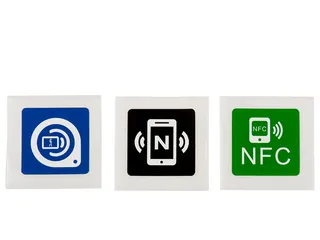
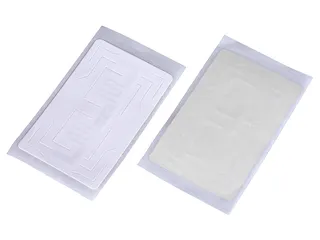
Proud Tek's NTAG213 NFC labels are 13.56 MHz stickers for product links: NXP's NFC Forum Type 2 chip with 144 bytes of user memory holds an NDEF message of up to 137 bytes — a web address of up to 132 characters after https://www.
Proud Tek's NTAG424 DNA NFC labels are authentication labels for brand protection and anti-counterfeit projects.
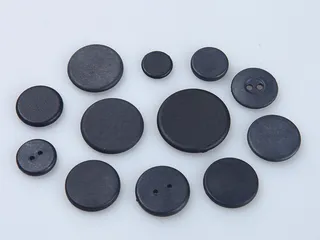
PPS (polyphenylene sulfide) button tags are the rigid-format option for HF laundry tracking: the heat-resistant plastic housing survives industrial washing, drying and pressing that would destroy a paper label.
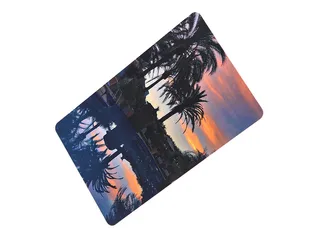
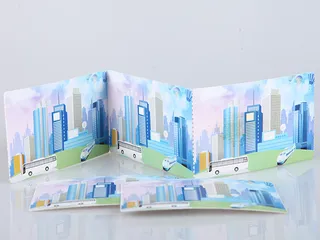
Printed RFID cards arrive finished — your artwork, numbering and encoding applied at the factory — for issuers who want to open the box and hand out cards, unlike blanks made for in-house printing.
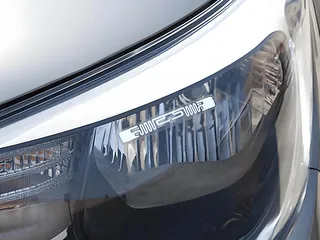
When a windshield tag can't read through metallised glass, the answer is the headlight sticker — a UHF tag encapsulated for the heat and UV inside a headlight housing — for reliable vehicle ID on metallised windscreens.
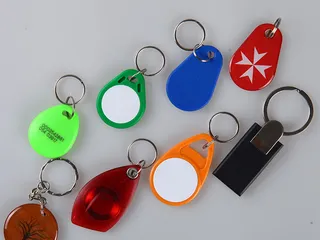
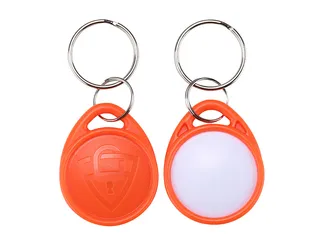
RFID key fobs are the pocket-sized alternative to access cards — same chips (125 kHz, 13.56 MHz, or dual-frequency), sealed in ABS, epoxy, leather or silicone for keyrings, gym bags and vehicle ignitions.
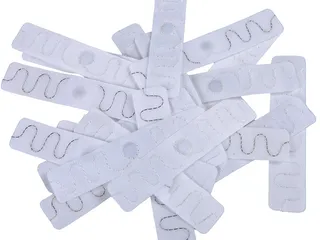
Proud Tek's woven UHF RFID laundry tags are flat textile tags for linen, towels, uniforms and healthcare garments, using EPC Gen2 (ISO/IEC 18000-63) chips with antennas sewn into hems or seams, placed in pockets, or heat-sealed.
RFID paper cards are the disposable RFID credential — chip and etched antenna in a printable paper body at a fraction of PVC cost — the economics behind single-journey metro tickets and event passes.
Proximity fobs are the 125 kHz 'wave and go' credential — no contact, no battery, just a chip and coil in a keyring housing — the default key fob for legacy access panels that read EM4100-format IDs.
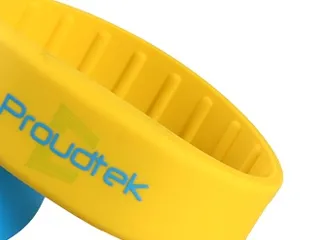
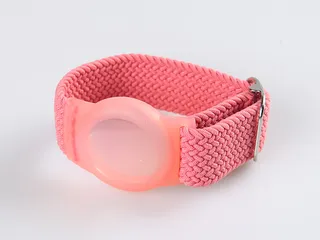
Silicone wristbands are the waterproof wearable credential — chip sealed in soft silicone that survives pools, saunas and gyms — for hotels and leisure venues where paper wristbands disintegrate.
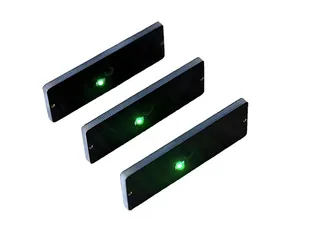
An LED RFID tag answers the question 'which one?' — the passive UHF chip harvests reader energy to light an LED, so the exact tagged item glows among hundreds — for picking, audits and cable tracing without scanning each item.
An RFID windshield tag is a UHF label for the inside of a windscreen — read at a distance by gate antennas — for tolling, parking and gated communities where stopping to tap a card is not an option.
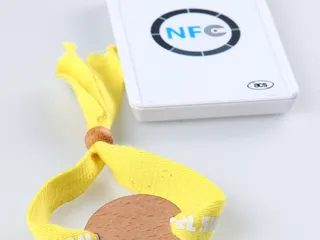
Event wristbands replace paper tickets with a wearable credential — tap-to-enter, cashless payment and zoned access — in Tyvek for single-day events, woven or silicone for multi-day festivals.
Hotel RFID wristbands replace the room key, the pool towel card and the wallet — one wearable for doors, lockers and cashless spend — with the chip dictated by the property's locks and point-of-sale system.
Silicone-encapsulated UHF laundry tags trade the rigidity of PPS buttons for flexibility — the soft silicone body sewn into a seam moves with the garment, suiting fitted uniforms and delicate textiles where a hard tag would be felt.