
Clinic Review Solution
Google Review NFC Cards for Clinics
HIPAA-Aware

Quick answer
Google review NFC cards at clinic checkout lift review velocity 3–5× over email-only follow-up, within HIPAA Marketing Rule constraints. Programmes stay inside 45 CFR §164.508 (face-to-face exception covers staff handoff), AMA Opinion 9.6.1, ADA Code §5, ABMS / specialty-board advertising rules, FTC 16 CFR Part 465 and Google Business Profile review policies. Dentrix / Eaglesoft / Open Dental, Epic / Cerner / Athenahealth and Solutionreach / Weave / Doctible integration keeps the review prompt inside post-visit workflow without violating patient-authorisation requirements.
- Clinic review prompts work best when they respect patient flow and do not interrupt the service experience.
- Acrylic review cards, countertop prompts and stickers each fit different reception and checkout setups.
- The first pilot should test staff handoff, patient phone behavior and the actual review completion moment together.
Featured Review · Clinics Products
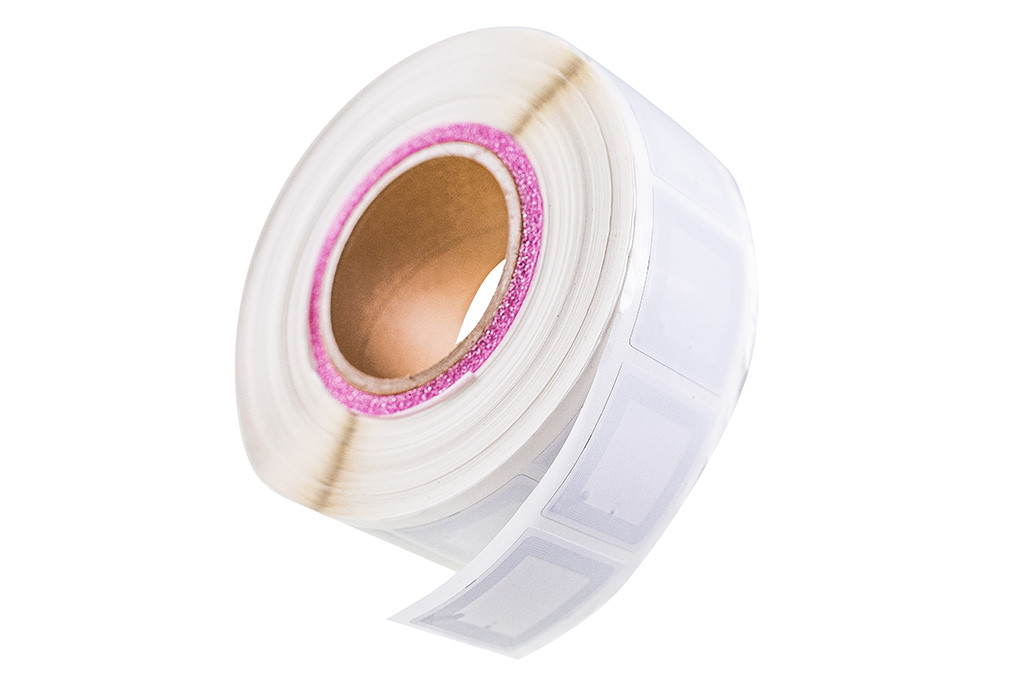
SKUs we typically deploy for review · clinics. Tap a card for specs and samples.


At a glance
Use these short answers to decide whether this page matches the project before moving into the detail.
Clinic types served
Primary care + family practice + internal medicine offices. Dental practices (general + cosmetic + orthodontic + periodontic + endodontic + paediatric).
HIPAA Marketing Rule constraints
45 CFR §164.508(a)(3) — written authorisation required before clinic uses patient PHI to solicit testimonial / review. Marketing exception: face-to-face communication +...
Next step
Ready to move forward? Start your inquiry to get specific answers for this project.
Request clinic review card sample- AMA / ADA / specialty-board advertising ethics
-
- AMA Code of Medical Ethics Opinion 9.6.1 — Advertising and Publicity (truthful + not deceptive + protecting patient privacy).
- AMA Opinion 11.1.1 — Defining Basic Health Care (Service-Quality vs Marketing line).
- ADA Code of Professional Conduct §5 — Advertising; truthful + accurate + tasteful.
- ABMS specialty-board advertising rules — board-certified status disclosure.
- State medical / dental boards — California Medical Board + Texas Medical Board + New York OPMC each impose advertising rules.
- Astroturfing prohibition: clinic staff posting reviews under fake patient identity is grounds for licensure action.
- Selective solicitation prohibition: cannot ask only positive-experience patients to review (review-gating).
- Disclosure: paid endorsements + employee reviews must disclose material connection per AMA + FTC.
- Practice-management + EHR integration
-
- Dentrix (Henry Schein) — dominant US dental PM; checkout workflow + recall + review prompt integration.
- Eaglesoft (Patterson Dental) — alternative US dental PM.
- Open Dental (open-source) — growing share in independent dental + DSO.
- Epic + Cerner (Oracle Health) + Meditech — enterprise hospital + multi-specialty EHR.
- Athenahealth + NextGen + eClinicalWorks + DrChrono — ambulatory practice EHR.
- Practice Fusion (Veradigm) + Kareo (Tebra) — small-practice EHR.
- Patient-engagement overlay: Solutionreach + Weave + Doctible + PatientPop + DemandHub + Birdeye — review-prompt automation layer.
- Workflow trigger: discharge / checkout event in PM/EHR → patient-engagement layer pushes review-request → reinforced by physical NFC card at checkout.
- Patient-flow placement strategy
-
- Reception / front-desk — counter card visible at check-in (passive layer); not active prompt yet.
- Exam room / treatment room — NOT recommended; patient under care, not appropriate to solicit.
- Discharge / checkout counter — primary placement; active staff prompt at peak satisfaction moment.
- Bill-pay / co-pay desk — secondary placement; works for clinics with separate payment workflow.
- Pre-departure waiting area — table-tent for parents waiting for paediatric / orthodontic patient.
- Post-visit follow-up — patient-engagement SMS / email + clinic NFC card hand-off doubles touchpoints.
- Avoid: vulnerable-population settings (mental health, oncology, end-of-life care) where active solicitation is inappropriate.
- Staff prompt language framework
-
- 'If you had a positive experience today, we'd appreciate you tapping this card to leave us a Google review.'
- Avoid: 'Leave us a 5-star review' — violates Google policy + risks FTC review-gating violation.
- Avoid: 'Only if you'd give us 5 stars' — explicit review-gating, prohibited.
- Acceptable: 'We appreciate any feedback — positive or constructive' — invites all patients.
- Reciprocity timing: prompt at peak satisfaction (post-treatment, before bill-pay).
- Respect disengagement: patient signals decline → drop subject; do not pressure.
- Train staff on HIPAA boundaries: never reference specific care details when prompting.
- Document staff-prompt completion rate as KPI; recognise consistent prompters.
- Card design + form factor
-
- PVC ID-1 0.76 mm + NTAG213 — clinical-clean white + brand colours + clear CTA.
- Antimicrobial PVC option — HAI-conscious settings (post-COVID hospital + ambulatory standard).
- Wipe-down compatible: select materials that survive daily disinfection (CaviWipes / Sani-Cloth).
- Patient-facing language only — no clinical jargon.
- Logo + Google logo + star graphic + 'Tap to leave a review' headline.
- QR fallback for older phones / non-NFC patients (especially Medicare population).
- Per-clinic encoding for multi-specialty groups + DSOs (DSO = Dental Service Organization).
- Pediatric-friendly variant: brighter colours + simpler iconography for paediatric / orthodontic practices.
- Compliance + audit framework
-
- FTC 16 CFR Part 465 (effective Oct 21, 2024) — fake-review prohibition + Endorsement Guides.
- HIPAA Marketing Rule 45 CFR §164.508(a)(3) — patient-authorisation framework.
- 42 CFR Part 2 — substance-use-disorder treatment additional restrictions.
- California CMIA + Texas HB 300 + NY SHIELD Act — state privacy overlay.
- AMA Opinion 9.6.1 + ADA Code §5 — professional ethics framework.
- ABMS / state medical-board advertising rules — specialty-specific.
- Joint Commission accreditation — patient experience programme alignment.
- Annual compliance audit: card placement + staff prompt scripts + multi-location encoding all reviewed.
- Programme economics + ROI
-
- Per-card BOM: $1.50–$3.50 PVC + NTAG213 at 50–500 qty.
- Per-clinic cost: typically $50–$200 covering 20–100 cards.
- Multi-clinic / DSO: $5K–$50K initial deployment for 50–500 location estate.
- Review-velocity uplift: 3–5× post-clinic-rollout vs email-only follow-up baseline.
- Star-rating uplift: typical 4.2–4.4 → 4.6–4.8 within 4–6 months.
- Patient-acquisition cost: each 0.1 star uplift correlates 5–10% increase in new-patient call volume.
- Reorder cycle: 18–24 months typical (lower wear vs hospitality).
- Replacement reserve: 3–7% per year (clinical environment lower handling abuse than restaurant).
- Implementation programme stages
-
- Stage 1 — HIPAA + AMA + state-board compliance review with practice attorney.
- Stage 2 — Per-clinic GBP audit + review-link capture + multi-clinic taxonomy.
- Stage 3 — Card design + chip + clinical-grade material + brand sign-off.
- Stage 4 — Per-clinic encoding + production + receiving QC.
- Stage 5 — Staff training: HIPAA boundaries + Google policy + soft-skill prompt protocol.
- Stage 6 — Soft-launch one clinic; measure 30-day baseline.
- Stage 7 — Full estate rollout + per-clinic GBP velocity tracking.
- Stage 8 — Annual compliance audit + reorder cycle + Joint Commission alignment.
- What this solution is NOT — adjacent scope
-
- NOT a generic Google Review NFC card guide — see /solutions/google-review-nfc-card/ for the parent.
- NOT a tabletop placement programme — see /solutions/google-review-cards-for-tabletop-prompts/.
- NOT a hotel front-desk programme — see /solutions/google-review-cards-for-front-desks/.
- NOT a personal-networking NFC card — see /solutions/nfc-business-card/.
- NOT a healthcare RFID identification programme — see /solutions/rfid-patient-tracking/.
- NOT a paid-for-review platform — incentivisation violates HIPAA + FTC + state law.
What should decide the first shortlist
These are the details that usually remove the wrong formats, materials, or chip families before the first quote or sample round starts.
- Stage 1 — Compliance review
Engage practice attorney for HIPAA Marketing Rule + AMA Opinion 9.6.1 + state medical-board advertising-rule review. Confirm staff-handoff at discharge falls under face-to-face exception. Document compliance position in writing.
- Stage 2 — GBP + practice-management audit
Verify GBP claimed + verified per clinic location. Generate review URLs per location. Audit practice-management system (Dentrix / Eaglesoft / Open Dental / Epic / NextGen) for discharge-event trigger capability + patient-engagement layer (Solutionreach / Weave / Doctible).
- Stage 3 — Card design + clinical-grade material
PVC ID-1 + NTAG213 baseline. Antimicrobial PVC for HAI-conscious settings. Brand colours + Google logo + 'Tap to leave a review' (NEVER '5-star') + QR fallback. Wipe-down compatible material. Multi-specialty cohort design variants if DSO.
- Stage 4 — Per-clinic encoding + production
Each card encoded with per-clinic GBP review URL. Pre-sorted shipping by location. Receiving QC: tap-test + visual inspection + 5% batch verification.
- Stage 5 — Staff training (HIPAA + Google + soft skill)
Train discharge / checkout staff on HIPAA boundaries: never reference specific care details. Train Google policy: no review-gating, no 5-star language. Soft skill: prompt timing at peak satisfaction, respect decline signals, avoid vulnerable-population settings.
- Stage 6 — Soft-launch one clinic + 30-day baseline
Launch one location first; monitor staff-prompt completion rate + patient reception + GBP velocity. Iterate on placement + copy. Document 30-day baseline metrics.
- Stage 7 — Full estate rollout + per-location tracking
Roll out to all locations. Track per-clinic GBP velocity + star-rating trend. Monitor staff-prompt KPI per clinic per shift. Identify high-performing clinics for best-practice sharing.
- Stage 8 — Annual compliance audit + reorder cycle
Treat this as the operations reference for healthcare, hospitality, fitness, education and laundry-services programmes — annual HIPAA + AMA + state-board compliance audit; Joint Commission patient-experience programme alignment review; reorder cycle synced to brand-refresh trigger (18–24 month); per-staff recognition for consistent prompting; cross-vertical learning shared across DSO + multi-specialty groups.
- Whether the review ask happens at reception, payment desk, consultation room exit or follow-up desk.
- Google review link control, privacy expectations and whether every location needs its own routing path.
- Phone mix, patient handoff behavior and whether staff can naturally invite a tap or scan after service.
- Pilot quantity, number of practices and whether the rollout includes several departments or one front desk first.
HIPAA Marketing Rule deep-dive — what clinics can and cannot do
- HIPAA Marketing Rule (45 CFR § 164.501 + § 164.508) — defines 'marketing' as communication encouraging recipient to purchase or use a product/service; requires patient authorization for marketing using PHI (Protected Health Information).
- Face-to-face exception (45 CFR § 164.508(a)(3)(i)(A)) — face-to-face communication with patient is exempt from marketing authorization requirement. Front-desk or chair-side handoff of NFC review card during the visit qualifies as face-to-face — no PHI authorization required.
- Promotional gifts of nominal value exception (45 CFR § 164.508(a)(3)(i)(B)) — branded promotional items of nominal value are exempt. A printed review card given to all patients qualifies (no PHI used in card design or distribution).
- What's prohibited without authorization — sending review-request email or SMS that uses patient PHI for targeting (e.g., 'Hi Jane, you visited us for your dental cleaning, please review'); including patient name + diagnosis on review card; segmenting review prompts based on diagnosis category.
- What's allowed — handing all patients a generic NFC review card at checkout (face-to-face, no PHI used); displaying NFC review sticker at front desk or in waiting room (passive, no PHI); training staff to verbally ask all patients for review in compliant language.
- Substance use disorder records (42 CFR Part 2) — even more restrictive; explicit patient consent required for any communication using SUD-related PHI; review prompts at SUD treatment facilities require special handling.
- Telehealth + virtual visits — face-to-face exception extends to live video; recording or replay does not qualify; review prompt during live virtual visit is acceptable.
- Business Associate Agreement (BAA) — if NFC review vendor or review-management platform (Birdeye, Podium, Solutionreach, Weave, Doctible) handles any patient identifier, signed BAA required.
- Cross-state variation — California Confidentiality of Medical Information Act (CMIA), Texas Medical Records Privacy Act, New York public health law layer on top of HIPAA; some states add further restrictions.
- Multi-specialty group + DSO governance — corporate compliance team must establish standard prompt language + audit + retention policy across all locations + specialties.
- Audit trail — clinic should document compliant prompt language + staff training + no-PHI-on-card policy + face-to-face handoff protocol; defensible in HHS OCR inquiry.
- Real-world enforcement — HHS OCR enforcement is rare for review-card programmes (most violations involve PHI breaches via email/SMS); compliant face-to-face card programmes are low-risk.
- Practical compliant pattern — generic NFC card with 'How was your visit? Tap to share on Google' + handed face-to-face by front desk staff to all patients = HIPAA-compliant; no PHI ever touches the card design or distribution workflow.
AMA / ADA / specialty-board ethics + professional advertising rules
- AMA Code of Medical Ethics Opinion 9.6.1 (Advertising and Communication) — physician advertising must be truthful, non-deceptive, not create unjustified expectations; testimonials and reviews must reflect genuine patient experience; physician may not solicit reviews in a manipulative or coercive way.
- AMA Opinion 1.1.5 (Terminating the Physician-Patient Relationship) — review-related disputes cannot be grounds for retaliating against patients (e.g., dismissing a patient for negative review).
- AMA Opinion 5.6 (Confidentiality + Privacy) — reaffirms confidentiality applies to review interactions.
- ADA Principles of Ethics and Code of Professional Conduct § 5 (Veracity) + § 5.F (Representation of Fees) — dentist advertising must be truthful + must not create false expectations; review-request workflows must comply.
- AAPD (American Academy of Pediatric Dentistry) — additional ethics guidance for pediatric dental practices including parental consent considerations for minor-patient reviews.
- ASPS (American Society of Plastic Surgeons) Code of Ethics — additional restrictions on cosmetic-procedure advertising + testimonials.
- AAO (American Academy of Ophthalmology) Code of Ethics — ophthalmology-specific advertising rules.
- AAOS (American Academy of Orthopaedic Surgeons) Standards of Professionalism — orthopedic advertising guidelines.
- ACA (American Chiropractic Association) Code of Ethics — chiropractic advertising + testimonial rules.
- Specialty board certification — board-certified specialists must follow ABMS + ABIM + ABFM + similar board-level advertising codes; some require disclosure of board-certification status in advertising.
- State medical board rules — vary by state but generally prohibit deceptive advertising, undisclosed material connections, and 'misleading testimonials'. Texas Medical Board, California Medical Board, New York State Medical Board have additional rules.
- State dental board rules — California Board of Dental Examiners, Texas State Board of Dental Examiners similarly regulate dentist advertising.
- State cosmetology board (med-spa) — state cosmetology + medical-spa licensure intersects (e.g., California Board of Barbering and Cosmetology overlaps with Medical Board); review prompts at med-spa must comply with both.
- Med-spa specific — physician-supervised med-spa subject to medical practice rules (AMA) + state cosmetology rules; injectable + laser treatment falls under medical advertising rules.
- Compliant clinic prompt language — 'If you had a good experience, we'd appreciate your honest feedback on Google' (truthful, non-coercive, all-patients-asked); avoid 'Loved your treatment? Tap for 5 stars' (gating + creates unjustified expectation).
Practice management + EHR integration — Dentrix / Eaglesoft / NextGen / Epic / Cerner / Athena
- Dentrix (Henry Schein One) — dominant US dental PM at ~40% market share; ~50K+ practice installations; native review-request integration via Dentrix Patient Engage + Dentrix Communications Manager.
- Eaglesoft (Patterson Dental) — second-largest US dental PM at ~25% share; Eaglesoft Patient Engagement + Patterson Customer Care for review automation.
- Open Dental (open-source) — fast-growing US dental PM (15K+ practices) with open-source core + commercial support; integrates with Solutionreach + Weave + Doctible for review automation.
- Curve Hero + Curve Dental — cloud-native dental PM for SMB + group practice.
- tab32 + Carestream + Dentimax + Practice-Web + ABELDent — additional dental PM options.
- Epic (Epic Systems) — dominant US enterprise EMR + healthcare; ~40% US acute-care + growing ambulatory share; Epic Cheers (patient experience + review) integrates with Press Ganey + Healthgrades + GBP.
- Oracle Health (formerly Cerner Millennium + PowerChart) — second-largest US enterprise EMR; CareAware MultiMedia Manager + iBus integrates with review platforms.
- MEDITECH Expanse — community + critical-access hospital EMR; native patient engagement modules.
- athenahealth — ambulatory + practice management; athenaCommunicator for patient engagement + review request automation.
- eClinicalWorks — broad ambulatory EHR + PM; healow + healow Insights for patient engagement.
- Greenway Health (Intergy, Prime Suite) — mid-market ambulatory EHR + PM.
- Practice Fusion (Allscripts/Veradigm) — small-practice ambulatory EHR.
- Kareo (Tebra) — small-practice billing + EHR + patient engagement.
- DrChrono + AdvancedMD + NextGen Healthcare + Modernizing Medicine (ModMed) — additional mid-market ambulatory EHR options.
- Review-request automation — Solutionreach, Weave, Doctible, Birdeye, Podium, NiceJob, Yotpo, ReviewWave, RevenueWell (dental), Lighthouse 360 (dental), Demandforce, OperaDDS (dental) — review platforms that integrate with PM/EHR via REST/HL7 to trigger post-visit SMS/email review request.
- Integration pattern — PM/EHR fires post-visit event → review platform sends SMS/email with NFC-tap-equivalent link → patient taps + lands on review page → multi-destination redirect (Google primary, Healthgrades + Yelp secondary) → review published. NFC card complement at chair-side / front-desk for in-clinic prompt at peak satisfaction moment.
Multi-specialty group + DSO + corporate-owned practice operations
- DSO (Dental Support Organization) — Heartland Dental + Aspen Dental + Pacific Dental Services + Smile Brands + Western Dental + Dental Care Alliance + Affordable Care + American Dental Partners + Mid-Atlantic Dental Partners + InterDent — operating 50-3,000 dental practices each under DSO management model.
- Medical group + IPA — DaVita Medical Group, OptumCare, US Acute Care Solutions, TeamHealth, Envision Healthcare — operating multi-state medical practice networks.
- Healthcare system + ACO — Kaiser Permanente, HCA Healthcare, Ascension, CommonSpirit Health, Trinity Health, Providence — operating hospital + outpatient + clinic networks at scale.
- Urgent care chain — MedExpress (Optum), CityMD, AFC Urgent Care, Concentra, NextCare, FastMed — operating 50-500 urgent care locations each.
- Ophthalmology + retina — Retina Consultants of America, Eye Health America, ICON Eye Center, Retina Group of Washington — multi-state ophthalmology groups.
- Dermatology — Forefront Dermatology + Anne Arundel Dermatology + Schweiger Dermatology + Skin & Cancer Institute — multi-state dermatology networks.
- Med-spa chain — LaserAway, Ideal Image, Sono Bello, SkinSpirit, Allergan AestheticSource — operating 50-200 med-spa locations.
- Chiropractic + physical therapy — The Joint Chiropractic + Athletico Physical Therapy + Ivy Rehab + Select Medical + Concentra Physical Therapy — multi-state rehab + chiropractic groups.
- Veterinary — Banfield Pet Hospital (Mars) + VCA (Mars) + BluePearl (Mars) + Petco + PetSmart Banfield + Compassion First Pet Hospitals (NVA) — operating 200-2,000 vet clinics each.
- Brand-standard design — corporate-approved card colour + logo + URL + per-location UTM template (utm_campaign={clinic-code}); locations cannot deviate.
- Compliance governance — corporate compliance officer establishes HIPAA + AMA/ADA + state-board + FTC-compliant prompt language; legal review per state.
- Distribution + replenishment — corporate procurement portal + per-location quarterly replenishment; central inventory + just-in-time shipping; central reporting dashboard.
- Procurement leverage — corporate bulk procurement (10K-1M+ cards annually) yields $0.15-$0.50 per card at scale; multi-year contract + cross-specialty purchasing 10-20% discount.
- Training + scripting — corporate L&D provides front-desk + dental hygienist + medical assistant + nurse + physician scripts; HIPAA + AMA/ADA-compliant language; quarterly recertification + secret-shopper compliance check.
- Reporting + KPI — corporate dashboard shows per-location review volume + GBP rating + Local Pack ranking + patient-NPS lift + Net Patient Score; underperforming locations flagged for retraining.
Vertical patterns — dental / medical / chiropractic / urgent care / med-spa / vet
- Dental general practice — chair-side handoff after cleaning / treatment; per-hygienist + per-doctor card variant; common loyalty integration with Care Credit + Lighthouse 360 + RevenueWell + Solutionreach. 8-15% tap-rate at chair-side; 3-7% at front desk.
- Dental specialty (oral surgery, endodontics, periodontics, orthodontics, pediatric) — higher-stakes treatment + lower patient volume; concierge-level review request; 10-20% tap-rate.
- Medical primary care + family practice — Annual exam + sick visit + chronic-care management; post-visit nurse handoff or front desk; 5-12% tap-rate.
- Medical specialty (cardiology, gastroenterology, neurology, oncology, orthopedics) — post-procedure + follow-up visit; 6-15% tap-rate at chair-side / exam-room.
- Chiropractic — adjustment-completion handoff + post-treatment table; high-touch; 8-15% tap-rate; commonly multi-visit per patient.
- Physical therapy + occupational therapy — post-session handoff; 6-12% tap-rate; multi-visit driven.
- Urgent care — post-visit checkout; transient patient population; 4-8% tap-rate but very high volume.
- Med-spa (botox, filler, laser, microneedling, body contouring) — post-treatment chair-side handoff; high-satisfaction moment; 10-20% tap-rate; subject to overlapping medical + cosmetology rules.
- Dermatology — diagnostic appointment + procedure; chair-side handoff after Mohs / biopsy / cosmetic; 6-15% tap-rate.
- Ophthalmology — post-exam + post-LASIK + post-cataract handoff; 6-12% tap-rate.
- Veterinary — post-treatment pet-parent handoff at checkout; pet-emotional moment drives high engagement; 8-18% tap-rate; pet name personalisation drives further lift.
- Mental health + psychiatry — particularly sensitive; HIPAA + 42 CFR Part 2 + state mental health privacy + therapist licensure rules; passive prompt only (no chair-side ask); 2-5% tap-rate.
- Dialysis + infusion + chronic care — repeated-visit patient population; high relational satisfaction; in-treatment chair-side; 5-12% tap-rate.
- Pediatric (any specialty) — parent / guardian handoff; pediatric advertising rules; 5-12% tap-rate; pediatric office decor + design important.
- Concierge + cash-pay practice — highest-touch + highest-margin; premium card material (metal / wood / engraved); 12-25% tap-rate.
- Telehealth + virtual visit — face-to-face exception extends to live video; post-visit email + SMS with NFC-tap-equivalent link; 3-8% tap-rate.
Programme economics + per-location ROI + patient acquisition lift
- Card unit cost — PVC CR-80 google-review NFC card $0.40-$1.50 at 1K+ qty; premium metal / wood $2-$8 (concierge tier).
- Card placement points — front desk (every clinic), exam room (1-10 per clinic depending on specialty), chair-side (dental + chiropractic + med-spa), waiting room (passive prompt).
- Annual card spend per clinic — 50-300 cards/year (theft + wear + replacement) × $0.60 average = $30-$200 per clinic per year.
- Review-management platform — Birdeye / Podium / Solutionreach / Weave / Doctible / RevenueWell / Lighthouse 360 / OperaDDS — $200-$800/month per location subscription typically; includes review-request automation + monitoring + auto-response.
- Year-1 capex per clinic — 200 cards × $0.60 = $120; setup + URL configuration + staff training $500-$1,500; total Y1 ~$600-$1,600 per clinic; multi-clinic groups bulk-purchase further reduces.
- Y2+ recurring — card replenishment $50-$200/year per clinic; platform subscription $2,400-$10,000/year per clinic (highest cost in programme).
- New patient acquisition value — typical clinic new patient lifetime value $500-$3,000 (general dentistry), $1,000-$5,000 (orthodontics + cosmetic dentistry), $1,500-$10,000 (medical specialty), $5,000-$50,000 (cardiology + oncology + complex surgery); med-spa $500-$5,000 per new client.
- GBP rating + Local Pack — clinic with 4.5+ GBP rating + 50+ reviews ranks top-3 in Local Pack on relevant queries ('dentist near me', 'urgent care near me'); converts 2-5× higher than rank 5-10.
- Review velocity — clinics generating 10-30 new reviews/month outrank competitors at 1-5/month; review velocity is significant Google ranking signal.
- Patient acquisition lift — clinics with successful NFC review programmes report 15-40% lift in new-patient inquiries within 6-12 months; correlated with Local Pack ranking improvement.
- Patient retention + satisfaction — review-active clinics show higher Net Patient Score (NPS); Joint Commission patient-experience + Press Ganey + Healthgrades scores improve.
- Compliance avoidance value — HIPAA Marketing Rule violation penalty up to $50K per violation (tiered); AMA + state board violation = professional licensure risk; FTC fake-review violation up to $51,744 per violation.
- Reference outcome — 5-location dental DSO reported pre-programme 4.1 GBP rating + 50 reviews/year + 200 new patients/year; post-programme 4.7 rating + 350 reviews/year + 320 new patients/year; new-patient revenue lift $480K-$1.6M annually depending on LTV.
- Payback typically 3-9 months for single clinic; faster for multi-clinic groups via shared infrastructure + procurement leverage.
- Failure modes — non-HIPAA-compliant prompt language (HHS OCR risk), inconsistent staff prompting (compliance + outcome variation), URL-redirect-broken (test monthly), GBP suspension from gating violation (catastrophic + 30-60 day recovery), patient-confidentiality breach in review-response (HIPAA violation in public reply).
Useful next pages
Use these linked product, guide and comparison pages to keep the next click specific and practical.
Best-fit products
Use these product pages to move from the solution page into the closest likely product formats.
Adjacent solutions + parent guide
Companion solution pages for related programmes.
Compare + research pages
Decision-support pages for chip + format choice.
FAQ
Where do clinic review cards usually work best?
They usually work best at a calm checkout or reception moment where staff can naturally invite feedback without slowing patient flow or interrupting care. The HIPAA Marketing Rule face-to-face communication exception applies, so no patient authorisation is needed — but cards must contain no patient identifiers and staff must avoid referencing specific care details when prompting.
Should clinics use a card or sticker first?
That depends on the reception workflow. A delivered card often works better in guided interactions, while a sticker can fit a stable desk prompt when staff involvement is lighter. Most clinic programmes combine both: counter-mounted card or sticker for passive visibility + staff-handed card at discharge for active prompt.
Does asking for reviews at checkout violate HIPAA?
Not when done correctly. HIPAA Marketing Rule 45 CFR §164.508(a)(3) requires written authorisation for marketing communications using patient PHI, but it has a face-to-face communication exception. Staff handing a card and asking for a Google review at discharge falls under this exception because it doesn't involve disclosing PHI to a third party. The card itself must contain no patient identifiers, and staff must never reference specific care details when prompting. Practice attorney sign-off on programme design is recommended.
How does this fit with our existing Solutionreach / Weave / Doctible / Birdeye review-request automation?
NFC cards are a complement, not a replacement. The patient-engagement platform handles email + SMS post-visit follow-up; the NFC card adds a physical touchpoint at peak satisfaction during checkout. The two together produce 3–5× review velocity vs email-only, with the NFC card capturing patients who would never act on the email. Most practices keep the patient-engagement platform fully active and layer the NFC card on top.
Can multi-specialty group practices and DSOs run a single card programme?
Yes, with per-clinic encoding. Each location gets cards individually encoded to that clinic's GBP review link during production. Cards ship pre-sorted by location. Re-encoding is possible later via NFC Tools if a clinic relocates or rebrands. Most DSO programmes start with 25–100 cards per clinic and scale on reorder cycle.
What's the exact HIPAA-compliant pattern for review prompts at clinics?
Use the HIPAA Marketing Rule face-to-face exception (45 CFR § 164.508(a)(3)(i)(A)): handing a generic NFC review card to every patient during the visit is face-to-face communication, exempt from marketing authorization requirements. Or use the promotional gifts of nominal value exception (45 CFR § 164.508(a)(3)(i)(B)): a printed card given to all patients qualifies as a nominal-value promotional item. Both exceptions allow review prompts without PHI authorization, provided no PHI is used on the card design or in targeting. What's prohibited: SMS/email review request that uses patient PHI for targeting (e.g., 'Hi Jane, you visited for your dental cleaning, please review'); including patient name + diagnosis on the card; segmenting prompts based on diagnosis category; recording review-related interactions in non-Joint-Commission ways. Substance use disorder treatment facilities face additional 42 CFR Part 2 restrictions. Multi-state DSOs must layer California CMIA + Texas + New York state law on top of HIPAA. Sign Business Associate Agreement with any review-management vendor (Birdeye, Podium, Solutionreach, Weave, Doctible) handling patient identifiers.
How do AMA / ADA / specialty-board ethics rules affect review prompts?
AMA Code Opinion 9.6.1 requires physician advertising be truthful, non-deceptive, and not create unjustified expectations; testimonials must reflect genuine patient experience; physicians cannot solicit reviews in a manipulative or coercive way. ADA Principles of Ethics § 5 (Veracity) applies similarly to dentists. AMA Opinion 1.1.5 prohibits retaliating against patients via dismissal for negative reviews. AAPD adds parental consent for pediatric reviews. ASPS adds restrictions on cosmetic-procedure testimonials. AAO + AAOS + ACA + ABMS board-level codes add specialty-specific rules. State medical / dental boards layer additional requirements (Texas Medical Board, California Medical Board, New York State Medical Board most active). Med-spa: physician-supervised med-spa subject to both medical (AMA) + state cosmetology rules. Compliant prompt language: 'If you had a good experience, we'd appreciate your honest feedback on Google' (truthful + non-coercive + all-patients-asked); avoid 'Loved your treatment? Tap for 5 stars' (gating + unjustified expectation).
What ROI can a clinic expect, and how does it tie to Local Pack ranking?
Clinics with successful NFC review programmes report 15-40% lift in new-patient inquiries within 6-12 months, correlated with Google Local Pack ranking improvement. Local Pack (top-3 clinics shown above generic results on queries like 'dentist near me' or 'urgent care near me') converts 2-5× higher than rank 5-10. Ranking signals: GBP review volume + rating + recency + reply rate + proximity + relevance. Clinics at 4.5+ rating with 50+ reviews + 10-30 new reviews/month rank top-3 reliably; clinics at <4.0 or stale reviews struggle to rank. New patient LTV varies: $500-$3,000 (general dentistry), $1,000-$5,000 (orthodontics + cosmetic dentistry), $1,500-$10,000 (medical specialty), $5,000-$50,000 (cardiology + oncology + complex surgery), $500-$5,000 (med-spa). Reference outcome: 5-location dental DSO went from 4.1 rating + 50 reviews/year + 200 new patients/year (pre-programme) to 4.7 rating + 350 reviews/year + 320 new patients/year (post-programme); new-patient revenue lift $480K-$1.6M annually. Y1 cost per clinic typically $600-$1,600 (card + setup + training) + $2.4K-$10K annual platform subscription; payback 3-9 months single clinic, faster for multi-clinic groups.
Sources & references
Primary standards, OEM datasheets and regulatory documents cited by this article. All URLs were verified on the access date shown below.
- Google Business Profile Help — Review policies (prohibited and restricted content)
Review-content policy governing clinic waiting-room, discharge-counter and post-visit review prompts.
- Google Business Profile Help — Additional guidelines for representing your business
Guidance on requesting reviews and the no-review-gating rule applicable at medical / dental / clinic venues.
- U.S. HHS OCR — HIPAA Marketing Rule 45 CFR §164.508(a)(3)
HIPAA marketing and patient-authorization guidance — face-to-face communication exception applies for staff handoff at checkout.
- American Medical Association — Code of Medical Ethics Opinion 9.6.1: Advertising and Publicity
AMA ethical guidance constraining solicitation and display of patient endorsements in clinic advertising.
- American Dental Association — Principles of Ethics and Code of Professional Conduct §5 (Advertising)
ADA professional ethics framework constraining dental practice advertising — truthful, accurate, tasteful.
- U.S. FTC — 16 CFR Part 465: Rule on the Use of Consumer Reviews and Testimonials
Federal rule against fake, AI-generated or insider reviews — effective Oct 21, 2024.
- U.S. FTC — Endorsement Guides: What People Are Asking
Endorsement guidance on incentivised reviews and material-connection disclosure for clinic review-prompt copy.
- 42 CFR Part 2 — Confidentiality of Substance Use Disorder Patient Records
Additional patient-privacy restrictions for substance-use-disorder treatment facilities — affects review-prompt programmes.
- NFC Forum — Type 2 Tag and tap-to-engage specifications
Tap-to-launch specifications governing clinic front-desk and discharge-counter NFC review cards.
- NXP NTAG 213/215/216 product family brief
NFC silicon used in clinic discharge-counter review cards — NTAG213 baseline.
- U.S. HHS OCR — Business Associate Agreements (BAA) guidance
BAA framework required when review-management vendor (Birdeye, Podium, Solutionreach, Weave, Doctible) handles patient identifiers as business associate.
- Henry Schein One — Dentrix dental practice management
Dominant US dental practice management at ~40% market share; Dentrix Patient Engage + Communications Manager for review automation.
- Patterson Dental — Eaglesoft practice management
Second-largest US dental PM at ~25% share; Eaglesoft Patient Engagement + Patterson Customer Care for review automation.
- Epic Systems — EMR + Patient Engagement (Cheers)
Dominant US enterprise EMR; Epic Cheers patient experience + review integration with Press Ganey + Healthgrades + Google Business Profile.
- athenahealth — ambulatory EHR + Patient Engagement
Ambulatory EHR + practice management; athenaCommunicator for patient engagement + review request automation.
- Birdeye + Podium + Solutionreach + Weave + Doctible — healthcare review platforms
Healthcare-focused review request automation + monitoring platforms with PM/EHR integration via REST/HL7; HIPAA-compliant BAA available.
- Press Ganey — patient experience benchmarking
Healthcare patient-experience benchmarking + HCAHPS reporting; correlates with GBP review velocity + Local Pack ranking for clinic + hospital.
- Healthgrades — US healthcare review platform
Major US healthcare-specific review platform; secondary review destination alongside Google Business Profile for clinic + hospital ratings.
- Heartland Dental + Aspen Dental + Pacific Dental Services — major DSOs
Largest US Dental Support Organizations operating 500-3,000 practices each under DSO management; reference for multi-location card + compliance + procurement leverage.
- Joint Commission — Patient Experience Standards
Hospital + clinic patient-centered-care standards intersecting with patient-review programmes + Net Patient Score (NPS) reporting.
Proud Tek is a Shenzhen-based RFID & NFC manufacturer supplying hotel chains, transit operators, event venues and retail brands worldwide. Every order includes free samples, RF testing and dedicated project support.
Get a Quick Quote
Tell us about your project and we'll respond within one business day. Fields marked (asterisk) are required.