
Factory
Inside the Proud Tek Factory
RFID Manufacturing
Quick answer
A walk through the physical plant behind Proud Tek's RFID products: two Shenzhen sites, ten automated lines and 305+ pieces of process equipment, plus an in-house test lab that proves every SKU — wash-cycle, read-range, environmental and mechanical — before it ships. This page covers the floor, the equipment, the material supply chain and the production-to-dispatch workflow; the capability overview and chip support live on the main About page.
- Two Shenzhen production sites, ten automated lines and 305+ pieces of process equipment — assembly, lamination, printing, encoding and test under our own roof.
- In-house test lab: laundry wash-cycle tunnel washer, UHF read-range range, plus environmental and bend/flex checks — SKUs are proven before they ship.
- Every unit gets a 100% functional read test; the production traveler and test report are retained seven years for full lot traceability.
- 2008 Founded — 18 yrs continuous operation
- 50+ Countries shipped to
- 6 Product families in-house
- 100% Functional read-test on every encoded unit
- NXP
- Infineon
- Impinj
- Alien
- EM Micro
- Quanray
- ISO 9001:2015
- RoHS 2011/65/EU
- REACH SVHC
- FCC Part 15 / 18
- CE EN 300 330
At a glance
Use these short answers to decide whether this page matches the project before moving into the detail.
The plant at a glance
Two production sites in Shenzhen; ten automated lines under one management system. 305+ pieces of process equipment — bonders, lamination presses, offset / screen / lase...
What buyers usually verify on-site
Production capacity scales with chip allocation, not factory floor space. ESD-controlled assembly stations for sensitive chip handling.
Next step
Ready to move forward? Start your inquiry to get specific answers for this project.
Schedule a factory visit or auditProduction capacity by line
Capacity is reported here as line-count and shift coverage, not weekly piece-count — RFID throughput depends almost entirely on the encoding scheme and the chip family in play, not on raw machine speed. We post conservative committed capacity per program once chip allocation is confirmed.
On the production floor — plant and equipment
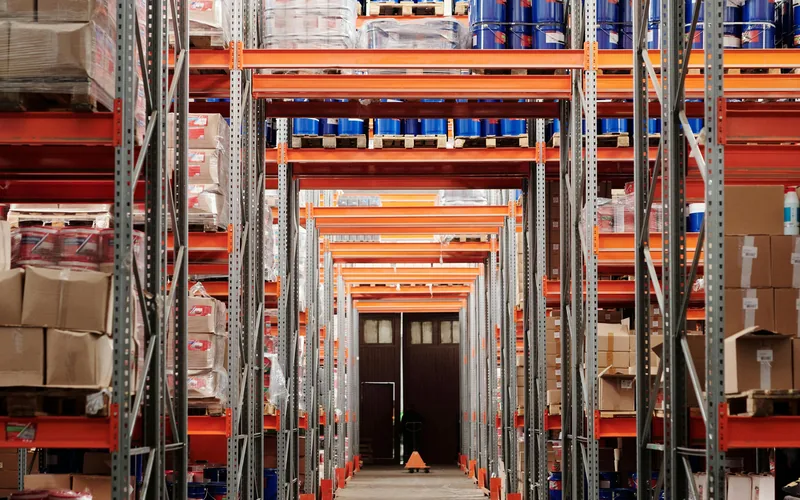
The main About page lists what we can make; this is where it physically happens. Ten lines are split across two Shenzhen sites and run by our own operators — the same crew builds the pilot lot and the production order, which is why first-run defect rates stay flat across a program's life.
Two sites, 305+ machines
Assembly is concentrated at one site, finishing and encoding at the other — 305+ pieces of process equipment in total, from chip bonders to reel-to-reel programmers. No value-added step is subcontracted to a job shop.
ESD-controlled assembly
Wet-inlay bonding runs at ESD-controlled stations with wrist-strap and ionized-air discipline — bare chips and thin-film antennas are static-sensitive. Conductive-adhesive cure temperature and dwell time are logged per lot.
Anti-metal & specialty line
A dedicated ferrite-backing line for on-metal IT-asset, tool and equipment tags. Read range against steel and aluminium is validated per SKU and filed with the production traveler — the specialty work most trading companies cannot do.
Reel-to-reel encoding hall
High-volume UHF inlay programs run on reel-to-reel encoders with inline read-test, so multi-million-unit orders are programmed and verified in one pass rather than hand-fed unit by unit.
In-house test lab
A tunnel washer for laundry-tag wash-cycle testing, a UHF read-range range for distance and orientation checks, plus environmental and bend/flex rigs. SKUs are proven against their real duty cycle before the pilot ships.
Bonded warehouse
Finished goods stage in a bonded warehouse that runs distributor safety-stock and scheduled call-off programs — call-offs typically ship within 3-5 business days of release authorization.
Materials and supply chain
We treat material sourcing as a quality lever, not a cost lever. The inlay roll-stock, PVC sheet, conductive adhesive and ferrite backing are all qualified vendors with parallel sources for risk mitigation.
- Inlay substrates — PET / PI roll-stock qualified from two parallel vendors; cut-sheet inlays inspected for thickness and dimensional stability before line entry.
- Card stock — PVC, ABS, PETG, recycled-PVC; FSC-certified paper and bamboo composite stocks available on request.
- Conductive adhesive — silver-loaded epoxy from named vendors; cure cycle validated per chip family.
- Ferrite backing — automotive-grade ferrite sheet for on-metal SKUs; tested against representative steel and aluminum substrates.
- Chip allocation — direct allocation channels with NXP / Infineon / Impinj / Alien / EM; authorized-distribution backup for spot demand.
The test lab — proving SKUs before they ship
A 100% functional read test catches encoding faults, but a tag also has to survive its real duty cycle. Before a pilot is signed off, the relevant SKUs go through the in-house test lab against the conditions they will actually meet in the field.
| Test rig | What it validates | Typical SKUs |
|---|---|---|
| Tunnel washer | Survival across 300-500 industrial wash cycles (PPS class) at up to 95°C with chemical exposure | Laundry PPS / silicone / textile tags |
| UHF read-range range | Read distance, orientation sensitivity and null zones against representative surfaces | UHF inlays, on-metal asset tags, retail source tags |
| Read / decode station | 100% functional read on every encoded unit; decode-rate and UID / NDEF verification | Every encoded SKU |
| Environmental checks | Temperature and humidity exposure; adhesion and peel for label stocks | Outdoor tags, labels, windshield tags |
| Mechanical checks | Bend, flex and torsion endurance; delamination resistance | Cards, wristbands, keyfobs |
From PO to dispatch — production workflow
Once a production order is released, the program runs to a documented traveler. Every step generates a record retained in the quality archive for at least seven years per ISO 9001 requirement.
- Day 0 — PO received, traveler issued
Production traveler issued with chip allocation, encoding scheme, artwork files and packaging spec locked. Material kit pulled from stockroom; raw-material lot numbers attached to the traveler for full traceability.
- Days 1-5 — Assembly and lamination
Wet-inlay assembly or card lamination runs to the traveler. First-piece QC at line start, then in-process AQL sampling. Reject rate logged; out-of-spec lots quarantined before the next step.
- Days 6-10 — Encoding and marking
Encoding station runs the locked scheme. Every encoded unit gets a functional read test; failed units rejected at the line. Laser engraving, hot stamping or print runs as specified.
- Days 11-14 — Final QC, packaging, dispatch
AQL final inspection on visual and dimensional attributes. Packaging per spec; box-level barcode / RFID outer-pack labeling if requested. Shipment release after document pack (CO, COC, packing list, test reports) is signed off by QA.
Customer audits and factory visits
We welcome buyer audits — they reduce procurement risk on both sides. The list below covers what we typically accommodate; non-standard audit scope (third-party social compliance, environmental, IT security) is scoped per program.
- Buyer engineering audits — open access to wet-inlay, lamination, encoding and QC lines, by appointment.
- Quality system audits — ISO 9001:2015 document review, training records, calibration logs, corrective-action archives.
- Third-party audits — TÜV, SGS, Intertek, Bureau Veritas and BSCI / Sedex visits accommodated when the program requires them.
- Pre-shipment inspection — buyer or buyer's QC agent can attend final AQL inspection in-house at no additional charge.
- Virtual factory tour — live video walk-through available for buyers who cannot travel; we schedule against your time zone.
Compliance documentation shipped with every order
Every shipment leaves Shenzhen with the documentation buyers actually need at customs and at brand-owner intake. Certified third-party test reports can be commissioned on a per-program basis.
- Commercial invoice and packing list with chip family, SKU code and encoding lot per line item.
- Certificate of Origin (Form A / GSP / FORM E / Form F) per destination market.
- Certificate of Conformity for radio compliance (FCC / CE / MIC / CCC as applicable).
- Material declarations — RoHS, REACH SVHC, California Prop 65 on file by SKU.
- Functional test report — sample lot of encoded units with read-range and decode-rate data.
- ISO 9001:2015 certificate copy on request; recertification cycle dates publicly traceable.
Useful next pages
Use these linked product, guide and comparison pages to keep the next click specific and practical.
Plan a factory engagement
The most common ways procurement and engineering teams engage with our Shenzhen operation.
Verify our credentials independently
Pages on this site that document the standards, certifications and editorial work behind the production floor.
FAQ
Can you test tags against our specific duty cycle before we commit?
Yes. The in-house test lab runs wash-cycle testing (tunnel washer, up to 500 cycles at up to 95°C), UHF read-range, environmental and bend/flex checks. For a qualified program we validate the shortlisted SKUs against your real conditions during sampling and share the read-range plots and survival data before you place a production order. (For minimum order quantities, see the FAQ on the main About page.)
Can you handle multi-million-unit annual programs?
Yes. Multi-million-unit annual UHF inlay and HF card programs run on dedicated reel-to-reel encoding lines with 24/7 shift rotation when needed. Chip allocation is confirmed before commitment; we do not promise capacity that depends on a chip family we cannot lock in.
How do you handle chip allocation when global supply is constrained?
We maintain direct allocation channels with NXP, Infineon, Impinj, Alien and EM, plus authorized-distribution backup for spot demand. During constrained periods (e.g., 2021-2022 MIFARE shortages), we communicate allocation availability up front and offer chip-substitution paths where the deployment context allows.
Are buyer factory visits welcome?
Yes. We welcome buyer engineering audits and pre-shipment inspection — both reduce procurement risk on both sides. Visits are scheduled by appointment; we accommodate buyer's QC agents on-site at no charge. Virtual tours are available for buyers who cannot travel.
What is included in the compliance documentation pack?
Every shipment ships with: commercial invoice, packing list, Certificate of Origin per destination market, Certificate of Conformity for radio compliance (FCC / CE / MIC / CCC), RoHS / REACH SVHC material declarations, and a functional test report on the encoded lot. Third-party test reports (TÜV, SGS) can be commissioned per program when needed.
How long are quality records kept?
Production travelers, encoding logs, QC records and material certificates are retained for at least seven years per ISO 9001:2015 documented-information requirements. Records can be pulled by SKU code or encoding lot if a buyer needs traceability for a field issue or audit.
Sources & references
Primary standards, OEM datasheets and regulatory documents cited by this article. All URLs were verified on the access date shown below.
Proud Tek is a Shenzhen-based RFID & NFC manufacturer supplying hotel chains, transit operators, event venues and retail brands worldwide. Every order includes free samples, RF testing and dedicated project support.
Get a Quick Quote
Tell us about your project and we'll respond within one business day. Fields marked (asterisk) are required.