
EU DPP Compliance
RFID for EU Compliance
ESPR, DPP & EUDR

Quick answer
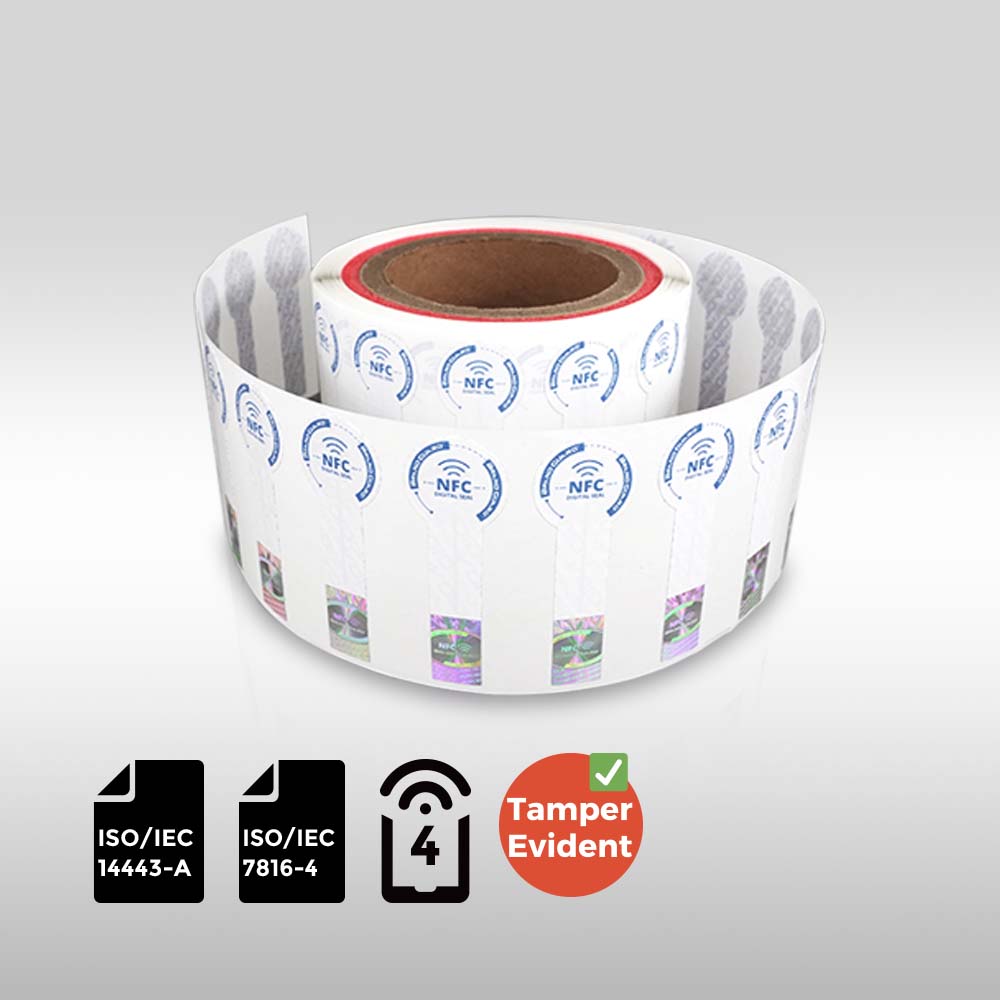
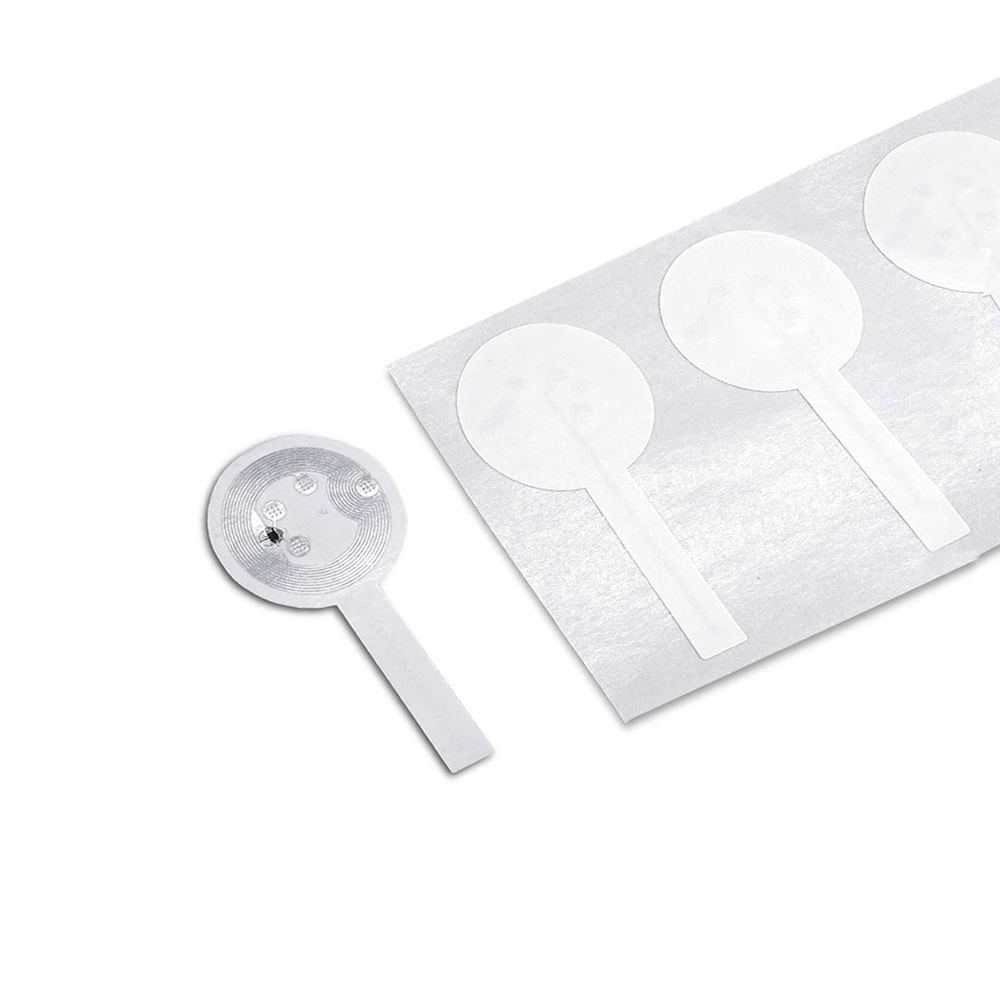
EU Compliance RFID covers the regulatory wave of EU Regulation 2024/1781 (Ecodesign for Sustainable Products Regulation, ESPR) Digital Product Passport mandate, EU Reg 2023/1542 (Batteries Regulation + Battery Passport mandatory Feb 2027), EU Reg 2023/1115 (EUDR Deforestation Regulation in force 30 Dec 2025 for cattle + cocoa + coffee + palm + soy + rubber + timber), EU WEEE Directive 2012/19/EU + RoHS 2011/65/EU + REACH (Reg 1907/2006) + Packaging + Packaging Waste Directive (94/62/EC) + Textile Strategy + EU 2016/679 GDPR. NTAG 424 DNA + NTAG213/216/424 + GS1 Digital Link 1.3 (ISO/IEC 18975:2023) + EPCIS 2.0 (ISO/IEC 19987:2021) + CIRPASS-2 architecture wire the physical tag to the EU DPP registry covering material composition, carbon footprint, recyclability, supply-chain provenance, repairability score + end-of-life instructions across batteries, textiles + footwear, electronics + ICT, furniture, construction products + chemicals.
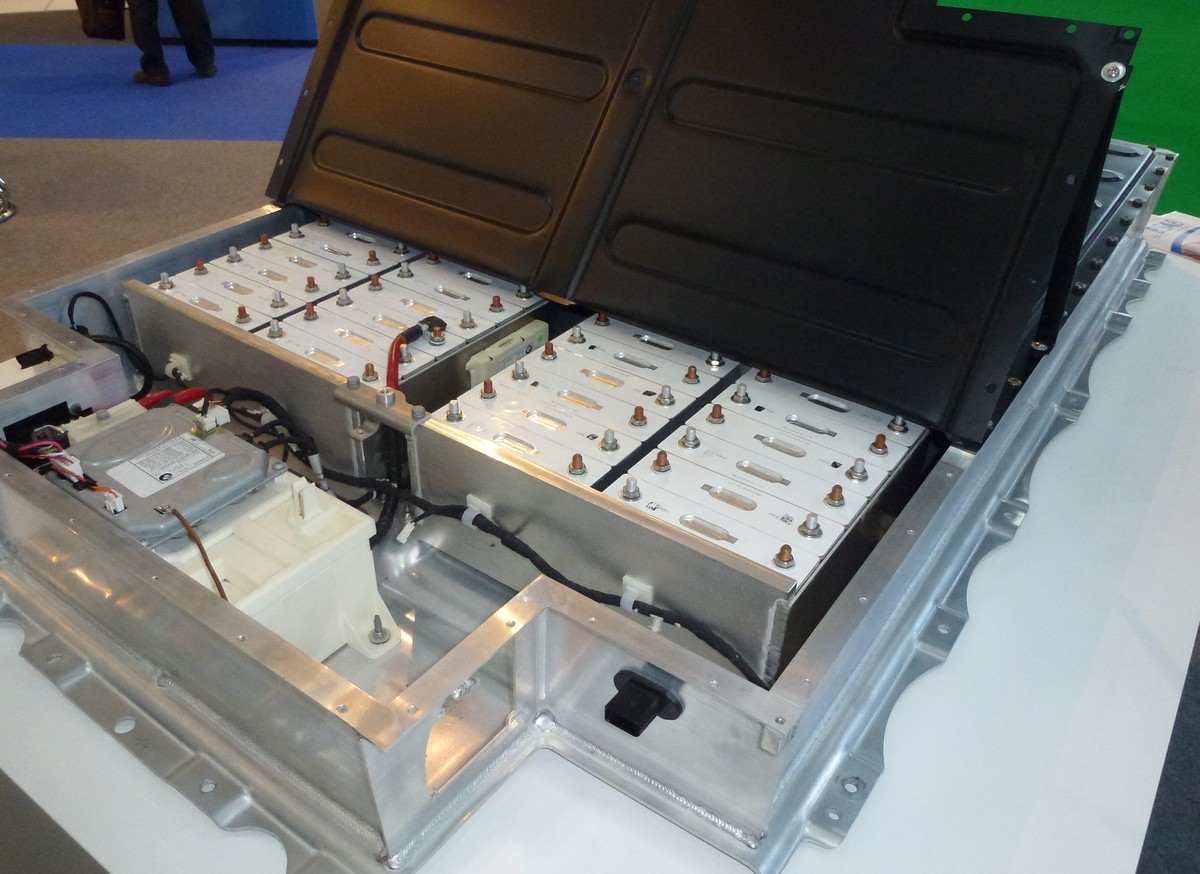
- Battery Passport mandatory 18 Feb 2027 — EV + industrial batteries ≥2 kWh; NTAG 424 DNA + GS1 Digital Link URI on metal-housing label.
- Textile DPP delegated act 2027-2028 — sewn-in NFC + woven label + material composition + recyclability data.
- NTAG 424 DNA AES-128 SUN cryptographic authentication — prevents counterfeit products from linking to legitimate DPP records.
Featured EU Compliance Products
Explore our complete range of RFID solutions for eu compliance.
At a glance
Use these short answers to decide whether this page matches the project before moving into the detail.
ESPR + DPP regulatory framework
EU Reg 2024/1781 (ESPR Ecodesign for Sustainable Products Regulation) — DPP mandate + delegated-act phased rollout. EU Reg 2023/1542 (Batteries Regulation) — Battery Pas...
DPP product category roadmap
Batteries — 18 Feb 2027 mandatory; EV + industrial ≥2 kWh. Textiles + footwear — 2027-2028 delegated act pending.
Next step
Ready to move forward? Start your inquiry to get specific answers for this project.
Request DPP NFC tag samples- Adjacent EU regulatory framework
-
- EU WEEE Directive 2012/19/EU — Waste Electrical + Electronic Equipment.
- EU RoHS Directive 2011/65/EU — Restriction of Hazardous Substances.
- EU REACH Reg (EC) 1907/2006 — chemical registration + restriction.
- EU Packaging + Packaging Waste Directive 94/62/EC + Reg 2025/40.
- EU Empowering Consumers for the Green Transition Directive (EU 2024/825).
- EU Right to Repair Directive (EU 2024/1799).
- EU Forced Labour Regulation (EU 2024/3015 published).
- Data carrier choice — NFC vs QR vs RFID UHF
-
- ESPR accepts NFC + QR + UHF RFID + 2D DataMatrix.
- QR fades 2-5 years outdoor / industrial — long-term compliance gap risk.
- NFC NTAG21x + NTAG 424 DNA + 10+ year service life; UV-stable + temperature-cycle.
- UHF RFID for inventory + supply-chain visibility (parallel channel).
- GS1 Digital Link URI — single URI carries all carrier types.
- Apple iOS Core NFC + Android HCE — universal smartphone reader.
- GS1 Digital Link 1.3 + EPCIS 2.0 architecture
-
- GS1 Digital Link 1.3 (ISO/IEC 18975:2023) — URI syntax 'https://producer.com/01/<gtin>/21/<serial>'.
- Single URI resolves to PDP (consumer) + DPP (regulator) + recall + warranty + repair.
- GS1 EPCIS 2.0 (ISO/IEC 19987:2021) — event-capture model for supply-chain visibility.
- GS1 SGTIN-96 + SGTIN-198 + SSCC-96 + GIAI-96 + GRAI-96 EPC schemes.
- GS1 Sunrise 2027 — 31 Dec 2027 retailers scan 2D codes at POS.
- CIRPASS-2 + EU DPP architecture
-
- CIRPASS-2 (EU Horizon Europe) — DPP architecture consortium.
- Decentralised identifiers (DIDs) + Verifiable Credentials.
- EU DPP Registry — central + federated registry per category.
- Member State authority validation + market-surveillance access.
- Consumer + repairer + recycler + customs read access.
- Data-sovereignty + competition-protection per ESPR.
- Battery Passport (Reg 2023/1542) detail
-
- EV battery + industrial ≥2 kWh — mandatory 18 Feb 2027.
- Light Means of Transport (LMT) batteries + bikes + scooters covered.
- Material composition — cobalt, lithium, nickel, manganese sourcing.
- Carbon footprint — cradle-to-gate kg CO2-eq per kWh.
- Recycled content — minimum % per metal mandate.
- Battery Health (SoC + SoH) + cycle count + remaining capacity.
- End-of-life recycling instructions + Catena-X integration.
- Textile + footwear DPP detail
-
- Material composition — fibre / blend / origin / dye + chemical.
- Recyclability score — fibre + accessory recyclability.
- Repair instructions + spare-part availability.
- Carbon + water footprint + Higg Index integration.
- Sewn-in fabric NFC label + UHF woven care label dual-encoding.
- Brand-protection + counterfeit detection via NTAG 424 DNA.
- Counterfeit + IP-defence framework
-
- NTAG 424 DNA AES-128 SUN — cryptographic per-tap authentication.
- Server-side replay-protection + ban-list for revocation.
- Counterfeit products cannot link to legitimate DPP records.
- EU Customs IP-enforcement — RFID + DPP at border.
- EUIPO Intellectual Property Crime Prevention.
- OECD anti-counterfeiting framework alignment.
- Implementation timeline
-
- 12-18 months before mandate — pilot 1,000-5,000 units.
- 6-12 months before — full integration testing.
- 3 months before — production rollout + supplier sync.
- Mandate date — full compliance.
- Post-mandate — ongoing audit + market-surveillance.
- 10-year DPP data retention + tag readability obligation.
- Reader hardware + consumer interface
-
- iPhone XS+ Apple Core NFC — background tag reading; iOS 14+.
- Android NFC — every NFC-equipped device since 4.0.
- Tap-to-page consumer experience — no app, no Wi-Fi, no QR camera.
- Customs + market-surveillance handheld — Zebra TC78 + Honeywell CK65 + sled.
- EU DPP Registry web access for repairer + recycler + consumer.
- What EU compliance RFID is NOT
-
- Not a substitute for the EU CE mark — coexists with visible compliance marking.
- Not a battery management system — pair with BMS for active SoC + SoH.
- Not a real-time GPS / cellular tracker — pair with telematics.
- Not standalone — full compliance requires DPP-registry integration + data architecture.
Why EU compliance RFID — ESPR + Battery Passport + EUDR + WEEE deadlines
- ESPR Reg 2024/1781 + Battery Reg 2023/1542 + EUDR 2023/1115 + WEEE 2012/19/EU = the four core EU-compliance regulations driving RFID adoption.
- GS1 Digital Link 1.3 + EPCIS 2.0 + CIRPASS-2 architecture = the data-carrier + event + registry stack.
- NTAG 424 DNA + AES-128 SUN = the anti-counterfeit chip silicon for IP-defended brands.
QR code only vs NFC + GS1 Digital Link + DPP registry
QR code on label only
- QR fades 2-5 years outdoor / industrial — compliance gap risk over 10-year DPP obligation.
- Counterfeiter copies UID; fakes link to legitimate DPP record.
- Multiple data carriers per category — separate textile + battery + electronics tag programmes.
- Manual DPP registry data entry — 18-24 month implementation if started late.
- Re-labeling campaign required mid-product-life when QR fades.
NFC + GS1 Digital Link + DPP registry
- NFC NTAG 424 DNA + 10+ year service life — UV-stable + temperature-cycle.
- AES-128 SUN cryptographic per-tap; counterfeiter cannot generate valid SUN code.
- Single GS1 Digital Link URI → DPP + PDP + recall + warranty + repair.
- EPCIS 2.0 event-capture auto-feeds DPP registry; CIRPASS-2 architecture.
- Permanent on-tag UID + URI; no re-labeling required.
- Apple iOS Core NFC + Android HCE — universal smartphone tap, no app required.
- EU customs + market-surveillance handheld access — Zebra + Honeywell handheld.
- Tier-1 brands (Apple, Samsung, Sony, Tesla, BMW, VW, LVMH, Inditex, H&M) align on NFC + DPP architecture.
ESPR + Battery Passport + GS1 Digital Link — the architecture
- EUDR + EUDR-scope cattle + cocoa + coffee + palm + soy + rubber + timber drive 2025-2027 commodity volume.
- Tier-1 EV brands (Tesla, BMW, VW, Mercedes, BYD, Hyundai-Kia) move first on Battery Passport.
- Inditex + H&M + LVMH + Kering align textile DPP architecture for 2027-2028 mandate.
Where EU compliance RFID earns its margin — the application inventory
- EV + industrial battery passport — NTAG 424 DNA + on-metal UHF on aluminium housing.
- Textile + apparel DPP — sewn-in fabric NFC + UHF woven care label.
- Footwear DPP — embedded NFC in tongue / insole + brand-protection.
- Electronics + ICT — embedded NFC in housing + WEEE + RoHS metadata.
- Furniture DPP — NFC label on backside + repairability score.
- Construction products — embedded RFID + CE marking.
- EUDR cattle / cocoa / coffee / palm / soy / rubber / timber — geo-located GS1 Digital Link.
- Luxury anti-counterfeit — NTAG 424 DNA SUN + brand-protection.
- Packaging — Reg 2025/40 + recyclability + packaging waste.
- Right-to-repair — repair-instruction + spare-part link via DPP URI.
From WEEE 2012 to ESPR 2024 + Battery Passport 2027 — milestones that shaped EU compliance
- 2012
EU WEEE Directive 2012/19/EU + RoHS Directive 2011/65/EU — first major EU producer-responsibility + hazardous-substance frameworks; basis for product-level traceability.
- 2018
GDPR (EU 2016/679) enforced 25 May; data-protection foundation for DPP consumer-facing applications.
- 2020
EU Circular Economy Action Plan + New Industrial Strategy — DPP concept formally announced.
- 2022
GS1 Digital Link 1.3 + EPCIS 2.0 (ISO/IEC 19987:2021) ratified — data-carrier + event-capture architecture standardised.
- 2023
EU Reg 2023/1542 (Batteries Regulation) + Reg 2023/1115 (EUDR Deforestation) + CIRPASS-2 consortium launches.
- 2024
EU Reg 2024/1781 (ESPR) published 24 Apr; Right to Repair (EU 2024/1799) + Empowering Consumers (EU 2024/825) Directives published; Forced Labour Reg (EU 2024/3015).
- 2025
EUDR (Reg 2023/1115) in force 30 Dec — first major DPP-adjacent regulation enforcement; cattle + cocoa + coffee + palm + soy + rubber + timber EU import compliance.
- 2027
EU Battery Passport mandatory 18 Feb — first ESPR-aligned DPP enforcement; EV + industrial batteries ≥2 kWh + LMT.
- 2028+
Textile + footwear + electronics + ICT + furniture + construction + chemicals delegated-act rollout 2027-2030 per ESPR Working Plan.
- 2026 — Today
From buyer conversations across ev-battery-passport-tesla-bmw-vw, textile-dpp-inditex-hm-lvmh, electronics-ict-apple-samsung, eudr-cocoa-coffee-cattle-imports, luxury-anti-counterfeit-ntag424 and packaging-recyclability programmes.
Useful next pages
Use these linked product, guide and comparison pages to keep the next click specific and practical.
EU compliance RFID products
Catalog SKUs most commonly specified for EU DPP + Battery Passport + EUDR.
Authentication products
NFC authentication products that also serve as DPP data carriers.
Adjacent industries
Cross-vertical reading for EU compliance procurement.
Case studies & deep dives
Implementation deep-dives for the EU passport regulations.
FAQ
Is NFC mandatory for DPP?
No — both NFC and QR codes (and UHF RFID + 2D DataMatrix) are acceptable data carriers under EU Reg 2024/1781 (ESPR) and the per-category delegated acts. However, NFC is recommended for durability (10+ year lifespan vs QR codes that fade in 2-5 years on outdoor / industrial products, creating long-term compliance gaps over the 10-year DPP data retention obligation), security (NTAG 424 DNA prevents counterfeiters from linking fake products to legitimate DPP records via AES-128 SUN cryptographic per-tap authentication + server-side ban-list) and user experience (Apple iOS Core NFC on iPhone XS+ + Android HCE provide universal tap-to-page without app download or QR camera framing). Brands choosing QR-only now face costly re-labelling campaigns before their 10-year DPP obligation expires; tier-1 brands (Apple, Samsung, Sony, Tesla, BMW, VW, LVMH, Inditex, H&M) align on NFC + DPP architecture for new products.
Do products sold outside the EU need DPP?
DPP applies to products placed on the EU market, regardless of manufacturing location — products sold exclusively outside the EU do not need DPP. However, the global trend mirrors EU: UK is developing similar regulations under the Environmental Act 2021 + Extended Producer Responsibility; Japan's Ministry of Environment is publishing Resource Circulation Strategy with similar product-passport elements; South Korea's K-DPP framework is in pilot; Canada's Single Use Plastics Prohibition + Federal Plastics Registry; Australia's National Plastics Plan; California Senate Bill 343 (recyclability claim); China's Circular Economy Promotion Law. Brands manufacturing for global markets typically design DPP-compliant products from the outset to avoid SKU-fragmentation and re-labelling cost. The same NFC + GS1 Digital Link architecture serves all jurisdictions; the specific data fields differ per regulation. Send us your target market matrix and we route the matching tag specification.
When does the Battery Passport become mandatory?
The EU Battery Passport becomes mandatory 18 Feb 2027 per EU Reg 2023/1542 (Batteries Regulation, in force 17 Aug 2023). It covers electric vehicle (EV) batteries, industrial batteries ≥2 kWh, and Light Means of Transport (LMT) batteries (e-bikes, e-scooters, electric mobility devices). The passport must contain material composition (cobalt + lithium + nickel + manganese + graphite sourcing per supplier + country of origin), carbon footprint (cradle-to-gate kg CO2-eq per kWh), recycled content minimum percentage per metal (mandatory thresholds escalate 2031 + 2036), Battery Health (SoC + SoH + cycle count + remaining capacity at point-of-use + end-of-life), and end-of-life recycling instructions + Catena-X automotive data-sharing integration. Manufacturers should begin tagging products 12-18 months before the mandate (Q3 2025-Q1 2026) to test infrastructure + data integration; pilot 1,000-5,000 units per battery design is the recommended scale for compliance testing. We supply on-metal UHF RFID + NFC NTAG 424 DNA labels engineered for EV battery aluminium / steel module housings + IP67 wash + thermal cycling + 10+ year service life.
How does NTAG 424 DNA prevent counterfeiting in DPP applications?
NTAG 424 DNA uses AES-128 + CMAC to generate a Secure Unique NFC (SUN) message on every tap — the brand server verifies (a) the tag silicon is genuine NTAG 424 DNA via factory-stored cryptographic identity, and (b) the tap is fresh, not a replayed cryptogram from a copy. Without cryptographic authentication, counterfeiters can copy the UID of a legitimate NFC tag and link fake products to authentic DPP registry entries — undermining the entire traceability purpose of the regulation. With NTAG 424 DNA SUN, counterfeit products generate invalid cryptograms that fail server-side verification, blocking the link to legitimate DPP records. Server-side ban-list lets the brand revoke a tag remotely if a unit is reported counterfeit or stolen. NTAG 424 DNA TagTamper variant adds a tamper-loop on the antenna trace; cutting the loop destroys the cryptographic state, sealing the package against counterfeit reseal. The architecture matches the LVMH + Hennessy + Diageo cosmetic + spirits anti-counterfeit programmes applied to DPP-mandated products. Penetration testing in customer trials shows 100% block rate on attempted counterfeit DPP record links.
How do I integrate NFC tags with my DPP backend / registry?
The architecture follows GS1 Digital Link 1.3 (ISO/IEC 18975:2023) + GS1 EPCIS 2.0 (ISO/IEC 19987:2021) + CIRPASS-2 reference. Each NFC tag encodes a GS1 Digital Link URI ('https://producer.com/01/<gtin>/21/<serial>') resolvable to PDP (consumer-facing product page) + DPP (regulator-facing passport) + recall + warranty + repair landing pages. The producer's DPP backend (typically a SaaS platform integrating with manufacturer ERP + supplier-data-room + carbon-accounting + supply-chain-tracking platforms) hosts the canonical product record. EPCIS 2.0 events (Commission, ObjectEvent, AggregationEvent, TransformationEvent) flow from the manufacturer + supplier + 3PL + retailer + recycler into the DPP record. EU DPP Registry (CIRPASS-2 architecture using decentralised identifiers DIDs + Verifiable Credentials) provides federated central + per-category registry for Member State authority validation + market-surveillance access + consumer + repairer + recycler + customs read access. Implementation typically takes 12-18 months for tier-1 manufacturers if started early; pilot 1,000-5,000 tags per category 12-18 months before mandate. Send us your product category + ERP / DPP backend platform + target mandate date and we route the matching tag specification + encoding template + sample integration support.
Sources & references
Primary standards, OEM datasheets and regulatory documents cited by this article. All URLs were verified on the access date shown below.
- EU Regulation 2024/1781 — Ecodesign for Sustainable Products Regulation (ESPR)
Primary EU regulation mandating Digital Product Passports + progressive product-group rollout; underpins NFC + RFID DPP deployments across batteries, textiles + footwear, electronics + ICT, furniture, construction + chemicals.
- European Commission — Ecodesign for Sustainable Products Regulation Programme + Working Plan + Delegated Acts
Official programme pages for ESPR / DPP including the Working Plan + delegated-act timeline for textiles, electronics, batteries, furniture + construction + chemicals.
- EU Regulation 2023/1542 — Batteries and Waste Batteries Regulation (Battery Passport)
Battery Passport obligations taking effect 18 Feb 2027 — first product group with machine-readable passport requirements; covers EV + industrial ≥2 kWh + LMT.
- EU Regulation 2023/1115 — Deforestation-Free Regulation (EUDR)
EU deforestation-free regulation in force 30 Dec 2025; cattle + cocoa + coffee + palm + soy + rubber + timber geo-located provenance via GS1 Digital Link URI.
- GS1 — Digital Link 1.3 Standard (ISO/IEC 18975:2023)
Web-resolvable GS1 identifier format adopted as NFC + QR + UHF data carrier for DPP landing pages; single URI carries DPP + PDP + recall + warranty + repair.
- GS1 — EPCIS 2.0 + Core Business Vocabulary 2.0 (ISO/IEC 19987:2021)
Standardised event-capture model — Commission, ObjectEvent, AggregationEvent, TransformationEvent — that DPP backend platforms consume natively.
- CIRPASS-2 — Digital Product Passport Architecture + EU Horizon Europe Consortium
EU-funded architecture initiative defining DPP data models, decentralised identifiers (DIDs) + Verifiable Credentials + federated registry interoperability for ESPR implementation.
- NXP Semiconductors — NTAG 424 DNA + TagTamper Datasheet (rev 3.6)
AES-128 + CMAC SUN message + tamper-loop detection — the chip the IP-defended DPP brand-protection market uses for cryptographic counterfeit prevention.
- EU WEEE Directive 2012/19/EU + RoHS Directive 2011/65/EU + REACH Reg 1907/2006
EU end-of-life + hazardous-substance + chemical-restriction Directives that DPP metadata must reference for affected product categories.
- EU Right to Repair Directive (EU 2024/1799) + Empowering Consumers Directive (EU 2024/825)
Right to Repair + Empowering Consumers for Green Transition Directives complementing ESPR; DPP must include repair-instruction + spare-part availability + sustainability claims.
Proud Tek is a Shenzhen-based RFID & NFC manufacturer supplying hotel chains, transit operators, event venues and retail brands worldwide. Every order includes free samples, RF testing and dedicated project support.
Get a Quick Quote
Tell us about your project and we'll respond within one business day. Fields marked (asterisk) are required.