
Pharmaceutical RFID
Pharmaceutical RFID
DSCSA + EU FMD + GS1 SGTIN-198 + Cold Chain + NTAG 424 DNA

Quick answer
Pharmaceutical RFID supports DSCSA (21 USC §360eee, full implementation 27 Nov 2024), EU Falsified Medicines Directive (Reg 2016/161 + Directive 2011/62/EU), GS1 SGTIN-198 / GIAI / GRAI / GDTI serialisation, vaccine + biologics cold-chain (USP <1079>, USP <800>, WHO PQS), hospital pharmacy automation, controlled-substance tracking and patient-tap authentication. Proud Tek supplies the NFC pharmaceutical label (NTAG 424 DNA + AES-128 SUN tamper authentication), UHF medication vial label, blood-bag label, cryogenic specimen label, semi-passive temperature logger tag (EM4325 + NXP UCODE 9xe + AS3955) and cold-chain logger pairing for Pfizer Controlant, Sensitech SensiWatch, ELPRO LIBERO, Berlinger Q-tag and Emerson ProAct platforms.
- DSCSA + EU FMD + Brazil ANVISA + China NMPA + India CDSCO compliance — GS1 SGTIN-198 + GTIN + Lot + Expiry pre-encoded; ASN-ready CSV manifest.
- NTAG 424 DNA AES-128 SUN authentication — patient or pharmacist taps phone, server verifies tag silicon + tap freshness; brand revokes if reported counterfeit.
- Cold-chain pairing — UHF EM4325 / UCODE 9xe + Sensitech / ELPRO / Berlinger / Emerson logger; vaccine 2-8 °C + ultra-cold -70 °C + ambient 15-25 °C trace.
Featured Pharmaceutical Products
Explore our complete range of RFID solutions for pharmaceutical.
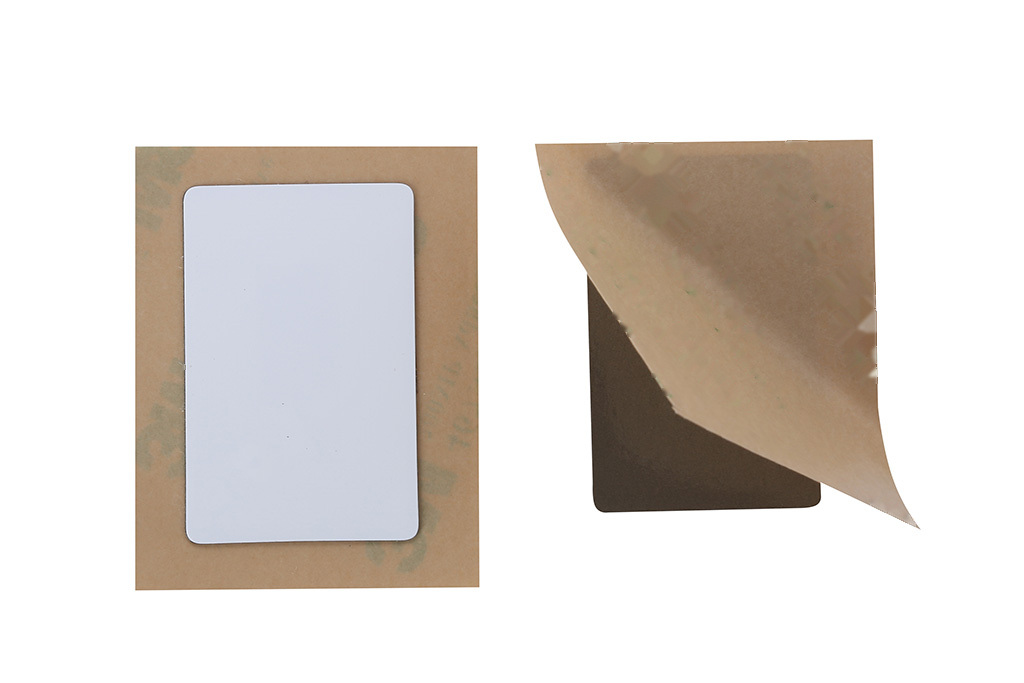
NFC Pharmaceutical Labels — DSCSA Anti-Counterfeit
→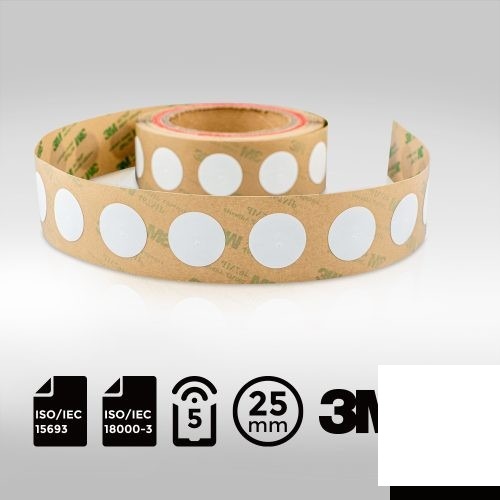
RFID Medication Vial & Syringe Labels — ADC Res...
→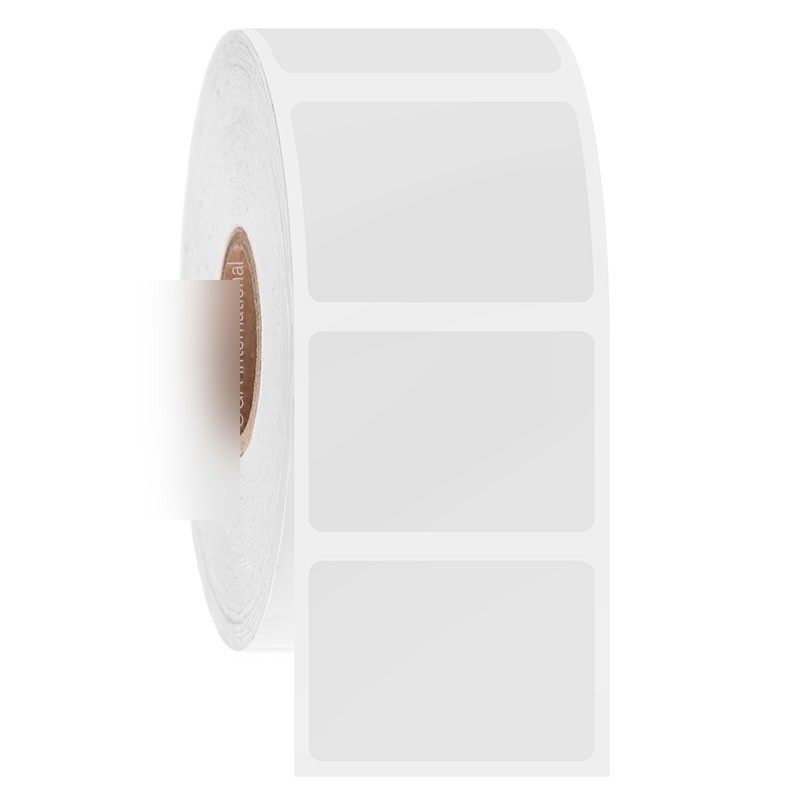
RFID Cryogenic Specimen Labels — LN2 −196 °C Rated
→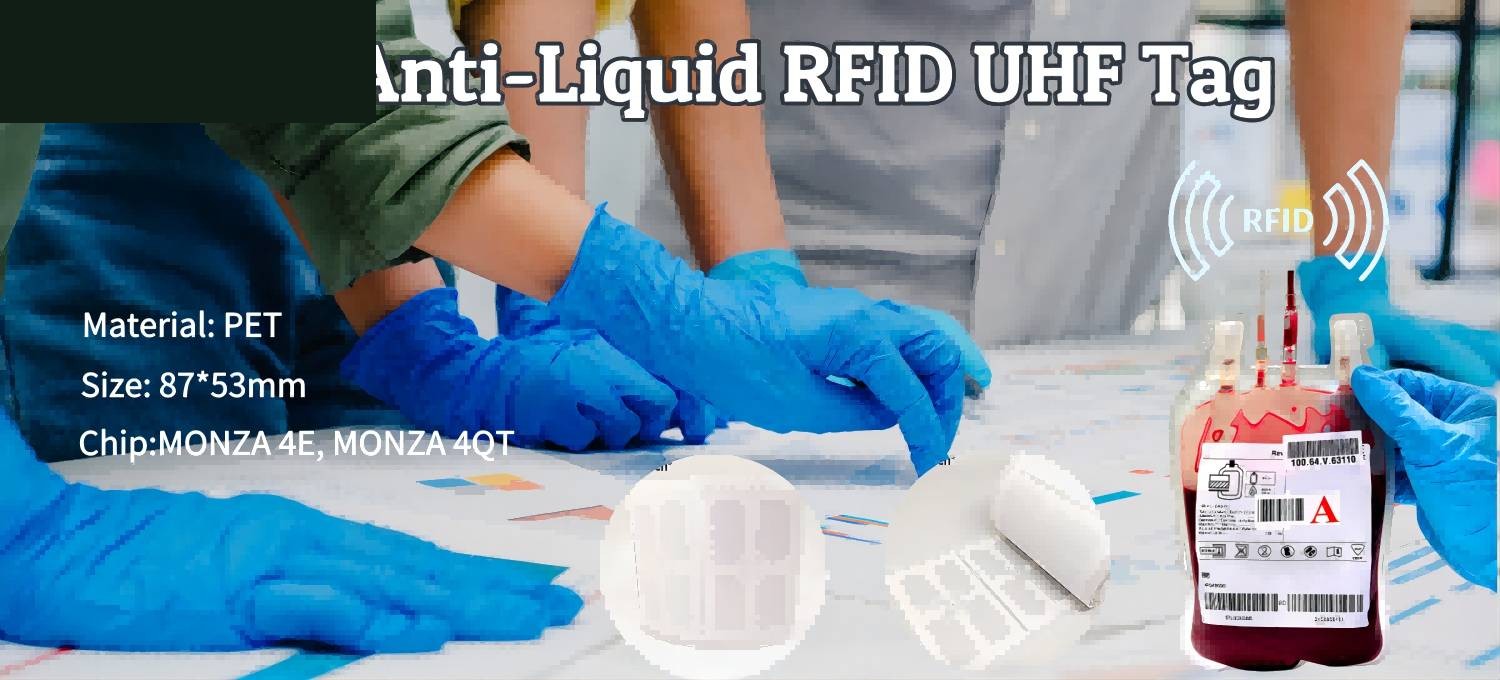
RFID Blood Bag Tags — Blood Guard Tracking & Tr...
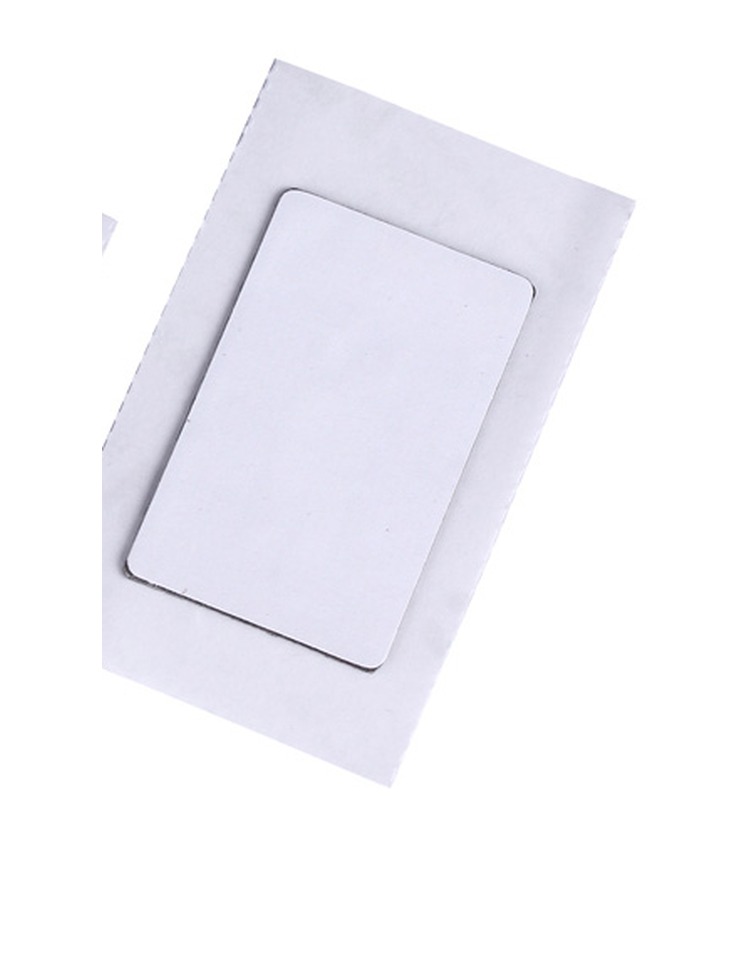
→
RFID Tamper-Evident Label — Destructible Antenna
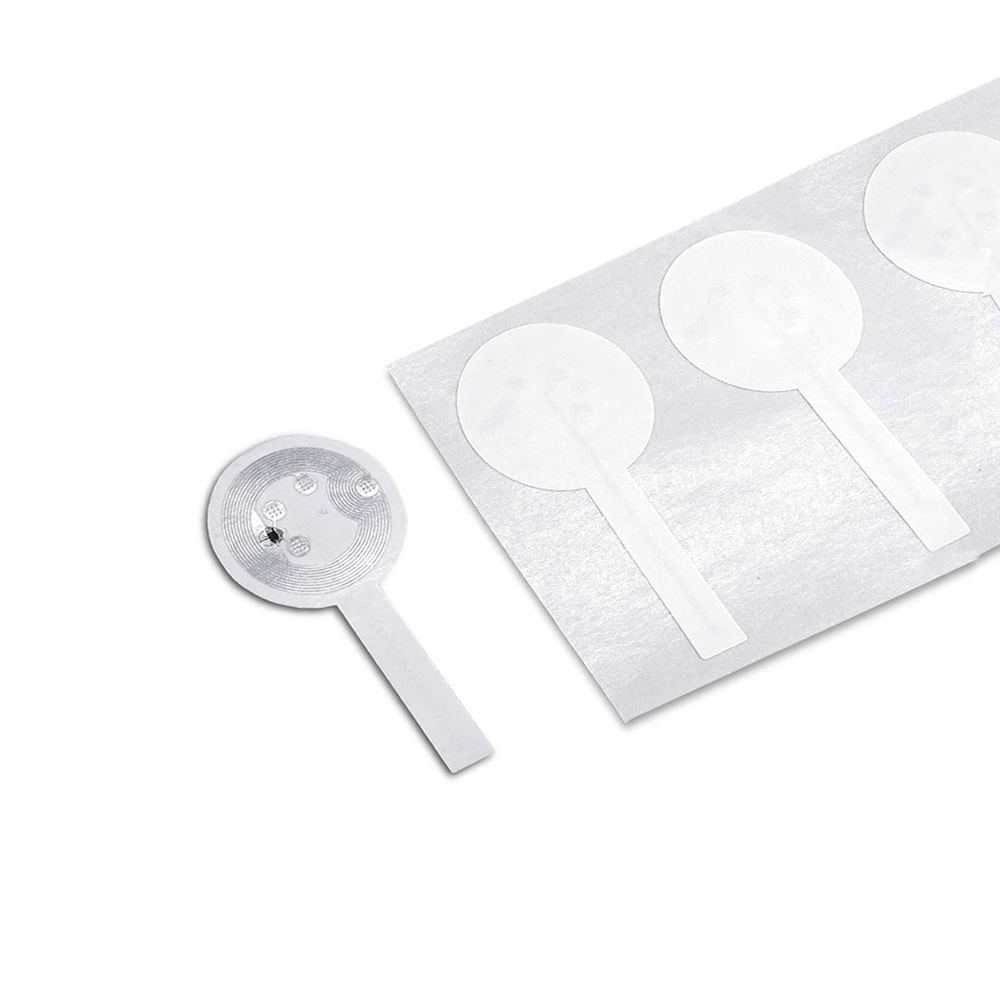
→
NTAG 424 DNA Tamper-Evident Tags — AES-128 NFC
→
RFID Temperature Sensor Tags — Passive Cold Chain
→At a glance
Use these short answers to decide whether this page matches the project before moving into the detail.
DSCSA (US) — full implementation 27 Nov 2024
21 USC §360eee + 21 CFR Parts 203 + 211 + 320 — Drug Supply Chain Security Act. Unit-level serialisation: GTIN + serial + lot + expiry per package.
EU FMD — Falsified Medicines Directive
Directive 2011/62/EU + Delegated Reg (EU) 2016/161 — in force 9 Feb 2019. Safety features — 2D DataMatrix unique identifier + tamper-evident closure on every Rx package.
Next step
Ready to move forward? Start your inquiry to get specific answers for this project.
Request pharmaceutical RFID samples- Other major regulatory frameworks
-
- ANVISA (Brazil) — Resolução RDC 157/2017 + RDC 319/2019 + SNCM track-and-trace; serialisation since Apr 2022.
- China NMPA — drug code (码) + e-drug supervision system since 2014; ICCBBA + GS1 dual-encoding for export.
- India CDSCO — DCGI track-and-trace for export drugs since 2011 (Schedule H + H1).
- Russia Roszdravnadzor — Chestny ZNAK serialisation since 1 Jul 2020.
- Saudi Arabia SFDA — Track + Trace TraceCare since 2017.
- Turkey ITS (İlaç Takip Sistemi) — pioneering serialisation since 2010.
- Cold-chain compliance framework
-
- USP <1079> — Good Storage and Distribution Practices for Drug Products.
- USP <797> + <800> — sterile compounding + hazardous drug handling.
- WHO PQS (Performance, Quality and Safety) — vaccine pre-qualification + transport.
- ICH Q1A(R2) + Q1B + Q5C — stability testing (light + temperature + humidity).
- FDA 21 CFR Part 211.142 — finished product storage temperature requirements.
- EU GDP Guidelines (2013/C 343/01) — Good Distribution Practice.
- IATA Temperature Control Regulations + IATA CEIV Pharma certification.
- Cold-chain temperature ranges
-
- Ultra-cold (Pfizer/BioNTech mRNA, Moderna mRNA, gene therapies) — -60 to -90 °C.
- Frozen (some biologics, plasma) — -25 to -10 °C.
- Refrigerated (most vaccines, insulin, biologics) — 2-8 °C.
- Cool / cold-chain (some Rx, OTC) — 8-15 °C.
- Controlled room temperature — 15-25 °C / 30 °C peak.
- Excursion ≥30 min outside spec triggers PQR (Product Quality Review).
- Chip silicon for pharmaceutical
-
- NXP NTAG 424 DNA + TagTamper — AES-128 SUN tamper-evident; pharmacist + patient tap authentication.
- NXP NTAG213 — basic NDEF tap-to-page; cost-optimised secondary-pack.
- NXP UCODE 8 / 9 — UHF retail-pharma item-level + carton aggregation.
- NXP UCODE 9xe + EM4325 + AMS AS3955 — semi-passive temperature-logger UHF.
- Murata Magicstrap + STMicroelectronics ST25TV — small-form factor for vials.
- Each chip Apple Core NFC + Android HCE compatible — no app for patient tap.
- Form factors and adhesive
-
- Carton-front NFC label — NTAG 424 DNA + tamper-evident frangible antenna.
- Vial label — small-form (12-25 mm) curved-surface UHF + USP <660> compatible.
- Blister + foil pack — HF antenna + low-tack medical-grade adhesive.
- Blood-bag label — UHF + ICCBBA ISBT 128 + cold-storage-rated adhesive.
- Specimen / cryogenic — polyimide substrate + cryo-grade acrylic for -196 °C.
- USP <88> Class VI biocompatibility for direct-contact applications.
- Cold-chain logger pairing
-
- Sensitech TempTale 4B + Ultra USB + SensiWatch cloud — pharma + biologics.
- ELPRO LIBERO Gx / Cx / Hx — real-time GSM + LoRa + Wi-Fi cloud-streaming.
- Berlinger Q-tag CLm doc + SmartView — vaccine cold-chain + WHO PQS.
- Emerson GO Real-Time + GO Reusable + ProAct platform — multi-modal.
- DeltaTrak FlashLink + In-Transit Logger.
- Controlant — Pfizer mRNA vaccine global distribution proof-of-scale.
- Carrier Naviator + Thermo King ReeferConnect + Maersk RCM + ORBCOMM — reefer.
- Hospital pharmacy automation
-
- Omnicell ADC (automated dispensing cabinet) + Pyxis MedStation — RFID-tagged drug receipt.
- BD Pyxis + ARxIUM RxStation — controlled-substance tracking; DEA Form 222 + Form 41.
- Swisslog PillPick + ARxIUM ATP — central-fill pharmacy automation.
- Cerner PowerChart + Epic Willow + MEDITECH — eMAR (electronic Medication Administration Record).
- Vital Capital + Talyst + AutoMed — hospital cycle-count + par-level replenishment.
- Anti-counterfeit pattern
-
- WHO estimates 10% of medicines in low-middle income countries are substandard or falsified.
- Counterfeit Rx market estimated USD 200-450B / year globally.
- NTAG 424 DNA SUN — server-side cryptographic tap verification + ban-list.
- GS1 Digital Link 1.3 URI — patient-tap PDP + DSCSA verification + EU FMD lookup.
- Pfizer + Bayer + Sanofi + AstraZeneca + GSK + Merck — major-brand anti-counterfeit programmes.
- Pharmacist tap at dispensing — second-line authentication beyond 2D DataMatrix scan.
- Operational ROI
-
- DSCSA / EU FMD compliance — avoidance of FDA Form 483 + EMA suspension + product recall.
- Recall scope reduction — serial-level traceback vs lot-level (95% scope reduction).
- Cold-chain excursion documentation — auto-flagged at logger + EPC association.
- Hospital pharmacy cycle-count — 90% labour reduction + 80% expired-drug write-off reduction.
- Patient-tap authentication — brand-protection insurance + consumer-trust signal.
- Counterfeit-recovery rate — 30-50% improvement with serial-level traceback.
- What pharmaceutical RFID is NOT
-
- Not a substitute for the 2D DataMatrix — DSCSA + EU FMD primary verification remains 2D scan.
- Not a temperature sensor by default — pair with logger for active cold-chain monitoring.
- Not patient-implantable — for surgical implant tagging see surgical instrument tag.
- Not standalone — full ROI requires VRS / NMVS + EPCIS 2.0 + WMS / ERP integration.
Why pharma RFID — DSCSA full implementation, EU FMD enforcement, vaccine cold-chain at scale
- DSCSA + EU FMD = the two volume-driving regulatory regimes; both enforce unit-level serialisation + verification.
- Cold-chain compliance gaps trigger product-quality review (PQR) + potential FDA Warning Letter / EMA suspension.
- Counterfeit medicines = the largest pharma RFID anti-counterfeit driver; NTAG 424 DNA SUN is the cryptographic answer.
2D DataMatrix-only verification vs RFID-augmented serial-level visibility
2D DataMatrix barcode scanning only
- Manual barcode scan at every CTE — pharmacist + warehouse + 3PL labour-intensive.
- Line-of-sight required; partial-pack scan misses 5-15% of cartons.
- Recall scope = lot-level (5,000-50,000 units) when traceback is paper + scan.
- No tamper-detection — package integrity not provable post-shipment.
- Cold-chain excursion association manual; reefer logger ↔ pack matching by hand.
RFID + 2D DataMatrix dual-encoded
- RFID portal at receiving + AMH + dispensing reads 100% of cartons in <30 s.
- GS1 SGTIN-198 + Lot + Expiry encoded; full unit-level traceability + EPCIS 2.0 events.
- Recall scope = serial-level (specific units) — 95% scope reduction.
- NTAG 424 DNA TagTamper detects post-manufacture seal break cryptographically.
- Cold-chain logger ↔ EPC association at loading; excursion auto-flagged on specific units.
- Dual-encoding (RFID + 2D DataMatrix) is the dominant 2024-2026 pattern — RFID supplements, doesn't replace.
- DSCSA VRS authorised trading partner check + RFID portal scan = the receiving-DC dual-control.
- EU NMVS at pharmacist dispensing + RFID dispensing-cabinet read = the dispensing dual-control.
DSCSA + EU FMD + GS1 EPCIS 2.0 — the regulatory architecture pharma RFID is designed for
- DSCSA VRS (Verification Router Service) — trading-partner-authorised lot-level verification for saleable returns.
- EU NMVS (National Medicines Verification Systems) — pharmacist dispensing-time verification.
- Brazil ANVISA SNCM — Sistema Nacional de Controle de Medicamentos.
Where pharmaceutical RFID earns its margin — the application inventory
- Manufacturer line — RFID + 2D DataMatrix dual-encoding at packaging line; SGTIN-198 + Lot + Expiry pre-encoded.
- Wholesale 3PL receiving — RFID portal verifies authorised trading partner + serialisation match.
- Cold-chain transit — UHF UCODE 9xe + cryo adhesive + reefer logger (Carrier / Thermo King / Maersk).
- Hospital pharmacy receiving — RFID portal + Omnicell / Pyxis / ARxIUM ADC integration.
- Hospital pharmacy dispensing — RFID-scanned medication at point of administration; eMAR integration.
- Patient-tap authentication — NTAG 424 DNA SUN; server-side replay protection + ban-list.
- Vaccine cold-chain — 2-8 °C + ultra-cold -70 °C + WHO PQS-rated logger pairing.
- Controlled-substance tracking — DEA Form 222 + Form 41 + ARxIUM RxStation + Pyxis.
- Surgical kit + implant tracking — UDI (Unique Device Identifier) + UDI-DI + UDI-PI.
- Specimen + biospecimen — cryogenic specimen label at -196 °C LN2.
From Turkey ITS 2010 to DSCSA full implementation 2024 — milestones that shaped pharma RFID
- 2010
Turkey ITS (İlaç Takip Sistemi) launches — first national pharma serialisation; sets the global blueprint for unit-level traceability.
- 2011
EU Directive 2011/62/EU (Falsified Medicines Directive) published; member states begin national-level transposition + EMVO formation.
- 2013
US Drug Quality and Security Act + DSCSA (21 USC §360eee) — phased implementation 2015-2024.
- 2017
Brazil ANVISA RDC 157/2017 + Saudi Arabia SFDA TraceCare — second-wave national serialisation.
- 2019
EU FMD enforced (9 Feb) — 2D DataMatrix + tamper-evident closure mandatory on all Rx packages; EMVS / NMVS go-live.
- 2020
Russia Chestny ZNAK + COVID-19 vaccine cold-chain at unprecedented scale — Pfizer + BioNTech + Moderna + AstraZeneca; Controlant proof-of-scale.
- 2023
DSCSA stabilisation period extension by FDA + GS1 EPCIS 2.0 + Lightweight Messaging Standard adoption across major US trading partners.
- 2024
DSCSA full implementation 27 Nov — unit-level serialisation + VRS + saleable-returns verification mandatory; NTAG 424 DNA SUN patient-authentication moves mainstream.
- 2026 — Today
How experienced teams run dscsa-manufacturer-line, eu-fmd-mah-emvs, vaccine-cold-chain-mrna, hospital-pharmacy-omnicell-pyxis, controlled-substance-dea-tracking and patient-tap-authentication-ntag424 programmes.
Useful next pages
Use these linked product, guide and comparison pages to keep the next click specific and practical.
Pharmaceutical RFID products
NFC + UHF labels for pharma serialisation, authentication and cold-chain.
Cold-chain products
Cold-chain RFID labels + frozen + transit-monitor pairing.
Brand-protection + DPP
NTAG 424 DNA SUN + Digital Product Passport for anti-counterfeit pharma.
Case studies & deep dives
DSCSA deployment evidence and phase-by-phase wholesaler compliance reading.
FAQ
Do RFID tags meet EU FMD and US DSCSA serialisation requirements?
RFID tags carry the same serialisation data (GTIN + serial + lot + expiry) that EU FMD and US DSCSA require. However, both regulations specify 2D DataMatrix barcodes as the primary verification channel — RFID provides supplementary parallel verification that enables faster bulk scanning at distribution nodes and pharmacies vs individual barcode scanning. Dual-encoding (RFID + 2D DataMatrix) is the dominant 2024-2026 pattern. The RFID side encodes GS1 SGTIN-198 (198-bit EPC scheme that accommodates the longer pharma serial space) + Lot + Expiry; the 2D DataMatrix side carries the same data per IFA + GS1 Healthcare. DSCSA full implementation (27 Nov 2024) and EU FMD enforcement (since 9 Feb 2019) both accept dual-encoded packages at trading-partner verification (VRS in US) and pharmacist dispensing (NMVS in EU). Several FDA + EU pilot programmes are actively testing RFID as a primary serialisation medium for future regulatory updates.
Can patients verify medicine authenticity with NFC?
Yes. When an NFC authentication tag — typically NTAG 424 DNA — is applied to medicine packaging, patients tap their smartphone (iPhone XS+ via Apple Core NFC, every NFC Android via system browser) to open a verification page. The NTAG 424 DNA generates a fresh AES-128 SUN (Secure Unique NFC) message on every tap; the brand server verifies (a) the tag silicon is genuine NTAG 424 DNA via factory-stored cryptographic identity, and (b) the tap is fresh, not a replayed cryptogram from a copy. Server-side ban-list lets the brand revoke a tag if the package is reported counterfeit or stolen. NTAG 424 DNA TagTamper variant adds a tamper-loop on the antenna trace; cutting the loop destroys the cryptographic state, sealing the package against counterfeit reseal. Pfizer, Bayer, Sanofi, AstraZeneca, GSK, Merck and major-brand anti-counterfeit programmes use this same architecture.
How does RFID temperature monitoring work for cold-chain drugs?
Semi-passive RFID temperature tags (Axzon Magnus-S3 with built-in temperature sensor, EM Microelectronic EM4325 BAP UHF with external thermistor on SPI port, AMS AS3955 NFC) contain a temperature sensor and data logger powered by a small battery. (Note: NXP UCODE 9xe is the extended-EPC variant with no sensor port per SL3S1216 datasheet — NXP's UHF+sensor chip is NHS3100 / UCODE I²C, not UCODE 9xe.) The tag records temperature at configurable intervals (every 1-60 minutes) during transit and storage; at receiving, a handheld reader downloads the complete temperature log from the tag in <2 seconds, confirming whether the product stayed within the required range or experienced excursions. The dominant pharma cold-chain pattern pairs the RFID tag's identity (GS1 SGTIN-198 EPC) with a separate logger device — Sensitech TempTale 4B + Ultra USB + SensiWatch cloud, ELPRO LIBERO Gx / Cx / Hx with real-time GSM + LoRa + Wi-Fi cloud-streaming, Berlinger Q-tag CLm doc + SmartView (WHO PQS-rated for vaccines), Emerson GO Real-Time + ProAct platform. The logger serial is associated with the RFID-encoded EPC at loading; cold-chain platform reconciles excursions to specific labelled units. Pfizer's mRNA vaccine global distribution programme used Controlant for proof-of-scale during COVID-19.
Which chip should I specify for pharmaceutical brand authentication vs supply-chain visibility?
For brand authentication (patient or pharmacist taps phone to verify authenticity), specify NXP NTAG 424 DNA — AES-128 SUN + 416 byte memory + tamper-loop variant; works with iPhone XS+ Core NFC + Android HCE without an app. For tamper-evident packaging applications add NTAG 424 DNA TagTamper. For supply-chain visibility (receiving / shipping / dispensing portal scans), specify NXP UCODE 9 (-23.5 dBm sensitivity for dense-reader DC environments) or UCODE 8m for cost-optimised secondary-pack tagging. For cold-chain temperature logging, specify Axzon Magnus-S3 (passive UHF + built-in temperature sensor + 72 hr log), EM Microelectronic EM4325 (BAP UHF with external thermistor on SPI port), or AMS AS3955 (HF + temperature). NXP UCODE 9xe is the extended-EPC variant with no sensor port — NXP's UHF+sensor chip family is NHS3100 / UCODE I²C, not UCODE 9xe. For small-form-factor vials, specify Murata Magicstrap or STMicroelectronics ST25TV — sub-12 mm antenna with curved-surface adhesive. We supply factory-encoded with GS1 SGTIN-198 + Lot + Expiry per programme spec; specify your retailer / hospital / 3PL programme + the MAH (Marketing Authorisation Holder) regulatory framework and we route the matching chip + antenna + encoding combo.
How does RFID integrate with hospital pharmacy automation — Omnicell, Pyxis, ARxIUM, Swisslog?
Hospital pharmacy automation platforms — Omnicell ADC (automated dispensing cabinets), BD Pyxis MedStation, ARxIUM RxStation, Swisslog PillPick + ARxIUM ATP central-fill — natively consume RFID-tagged medication receipt at the cabinet. Receipt workflow: pharma supplier ships RFID-encoded medication; hospital pharmacy receiving dock RFID portal verifies SGTIN-198 + lot + expiry against the purchase order; cabinet stocking via handheld RFID confirms par-level + assigns shelf zone; dispensing event reads the medication EPC + nurse credential + patient-room location; eMAR (electronic Medication Administration Record) in Cerner PowerChart, Epic Willow or MEDITECH receives the dispensing event. For controlled substances, the same RFID workflow integrates with DEA Form 222 (Schedule II ordering) + Form 41 (drug destruction) reporting. Vital Capital, Talyst and AutoMed serve mid-market hospital pharmacy. Typical hospital deployment payback is 6-9 months from labour-cycle-count savings + expired-drug write-off reduction (90% labour reduction + 80% write-off reduction).
Sources & references
Primary standards, OEM datasheets and regulatory documents cited by this article. All URLs were verified on the access date shown below.
- U.S. Drug Supply Chain Security Act (DSCSA) — 21 U.S.C. §360eee–360eee-4 + 21 CFR Parts 203 / 211 / 320
US federal statute driving unit-level pharmaceutical serialisation, VRS verification, saleable-returns + EPCIS-based track-and-trace; full implementation date 27 Nov 2024.
- EU Directive 2011/62/EU + Delegated Regulation (EU) 2016/161 — Falsified Medicines Directive + Safety Features
EU regulatory framework for pharmaceutical serialisation; 2D DataMatrix + tamper-evident closure mandatory on all Rx packages; EMVS / NMVS verification at dispensing.
- GS1 — EPC Tag Data Standard (TDS) 2.0 — SGTIN-198 + Pharmaceutical Healthcare Implementation Guideline
SGTIN-198 EPC scheme that accommodates the longer pharma serial space; the standard DSCSA + EU FMD + Brazil ANVISA + China NMPA + India CDSCO all reference.
- GS1 — EPCIS 2.0 + Lightweight Messaging Standard (ISO/IEC 19987:2021)
Standardised event-capture model + Lightweight Messaging Standard for DSCSA trading-partner data exchange.
- U.S. FDA Guidance — Radiofrequency Identification Feasibility Studies and Pilot Programs for Drugs
FDA guidance recognising RFID as an enabling technology for pharmaceutical anti-counterfeiting + traceability pilots; basis for several DSCSA pilot programmes.
- WHO — Substandard and Falsified Medical Products + Member State Mechanism + WHO PQS
Authoritative global data on SF medicines (10% in LMICs) + WHO Performance, Quality and Safety pre-qualification for vaccine cold-chain; frames pharma RFID anti-counterfeit + cold-chain business case.
- USP <1079> + USP <797> + USP <800> — Good Storage and Distribution Practices + Sterile Compounding + Hazardous Drug Handling
USP general chapters on drug storage, shipping conditions, sterile + hazardous-drug handling that pharma RFID temperature-logging tags help substantiate.
- NXP Semiconductors — NTAG 424 DNA + TagTamper Datasheet (rev 3.6)
AES-128 + CMAC SUN message + tamper-loop detection — the chip the IP-defended pharmaceutical anti-counterfeit market uses for patient-tap + pharmacist-tap authentication.
- EM Microelectronic — EM4325 UHF RFID with temperature sensor (BAP)
Battery-assisted passive UHF chip with on-board thermistor + data logger; commonly deployed in pharmaceutical cold-chain temperature-logging RFID tags.
- NXP UCODE 9xe — Sensor UHF RFID for Cold Chain Datasheet
Alternative UHF sensor tag IC referenced in pharmaceutical reefer + shipper + dispensing-cabinet temperature-logging applications.
Proud Tek is a Shenzhen-based RFID & NFC manufacturer supplying hotel chains, transit operators, event venues and retail brands worldwide. Every order includes free samples, RF testing and dedicated project support.
Get a Quick Quote
Tell us about your project and we'll respond within one business day. Fields marked (asterisk) are required.