
Automotive & Tire OEM
RFID for Automotive & Tire OEM
UHF Tire Labels

Quick answer
Tire and automotive component manufacturers serialise at the cure press with UHF RFID labels engineered to survive 170-180 °C × 25 min vulcanisation, then read at every supply-chain CTE — port of entry, regional DC, dealer storage, mounting bay, dealer inspection. To support NHTSA TIN + TREAD Act recall traceability, FMVSS 138/139 TPMS pairing, EU 2020/740 EPREL labelling, UN ECE R30/R54 + ISO/TS 20910/20911 + Tier-1 OEM quality programmes (Michelin Project IRP, Bridgestone IRP / Tirematics, Continental ContiPressureCheck / ContiConnect, Pirelli Cyber Tyre, Goodyear SightLine / CheckPoint, Hankook SmartLine, Yokohama, Sumitomo). Proud Tek supplies cure-survivable UHF tire labels (NXP UCODE 9xe, Impinj M730, Murata MAGICSTRAP), aircraft / powertrain on-metal tags, RTI / parts-bin bolt seals, and the GS1 SGTIN-96 + GIAI-96 pre-encoding service that converts raw EPC ranges into Tier-1-program-compliant records.
- Cure-survivable UHF tire label — 170-180 °C × 25 min vulcanisation + 25 bar bladder + 8-12 year service life on Murata MAGICSTRAP / NXP UCODE 9xe / Impinj M730.
- NHTSA TIN + TREAD Act + FMVSS 138/139 + EU 2020/740 EPREL + UN ECE R30/R54 + ISO/TS 20910/20911 traceability ready; SGTIN-96 + GS1 Digital Link URI pre-encoded.
- Tier-1 OEM programme proven — Michelin, Bridgestone, Continental, Pirelli, Goodyear, Hankook, Yokohama, Sumitomo all accept Proud Tek-supplied labels.
Featured Automotive & Tire OEM Products
Explore our complete range of RFID solutions for automotive & tire oem.
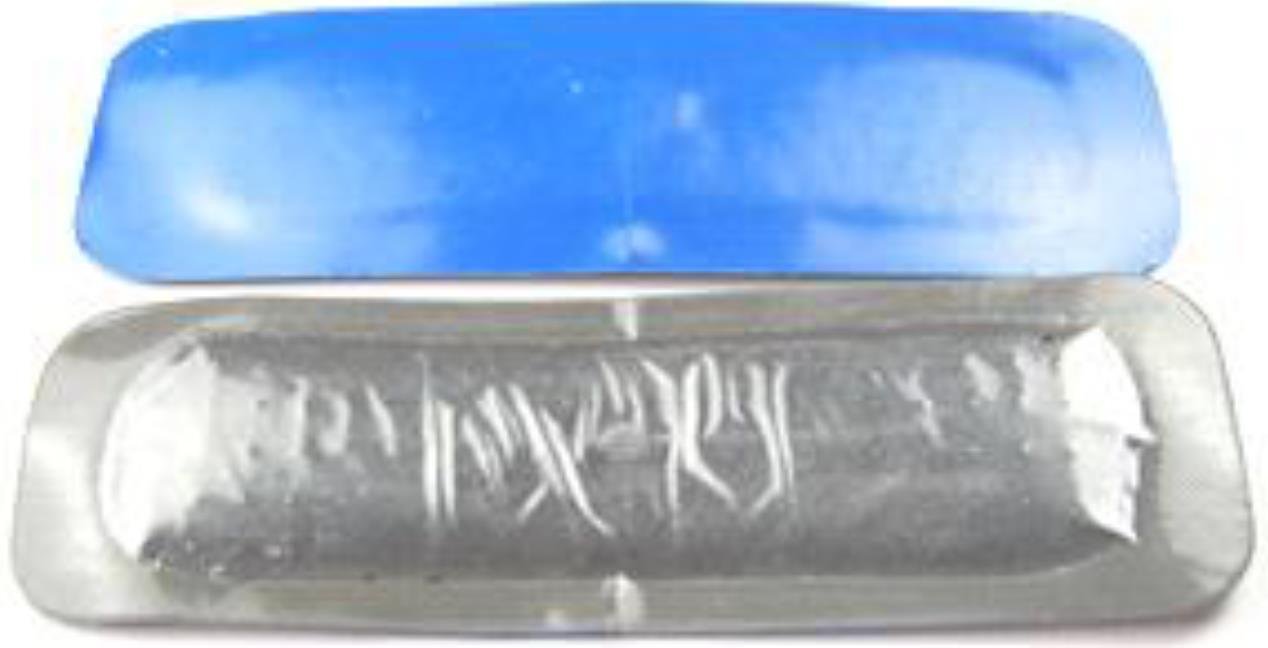
RFID Tire Tags — Embedded Lifecycle Tire Passport
→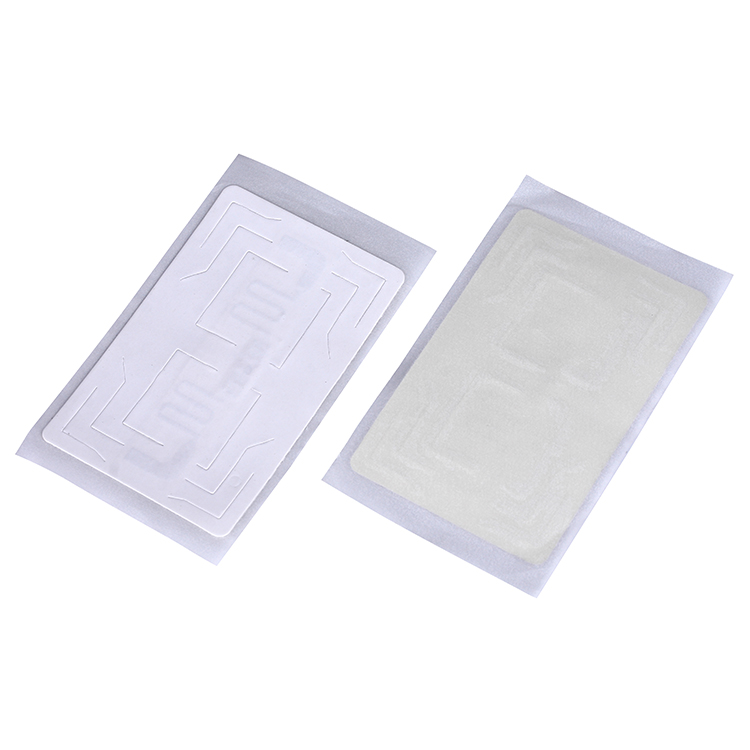
Long-Range UHF RFID Windshield Sticker — Toll &...
→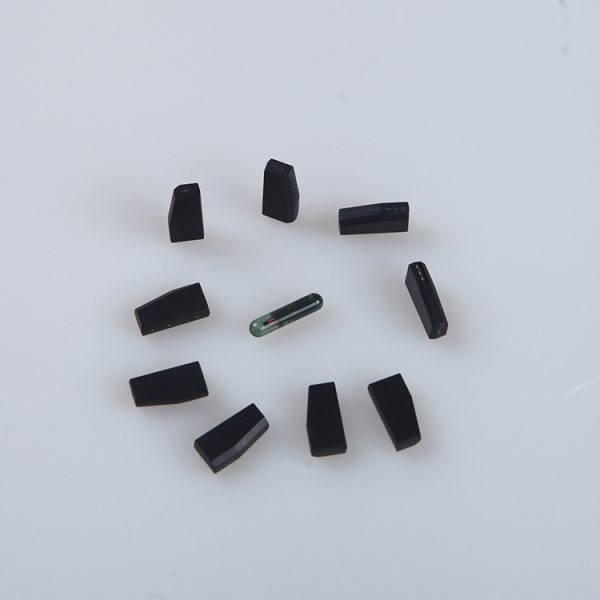
Car Transponder Chip – Custom RFID & NFC Manufa...
→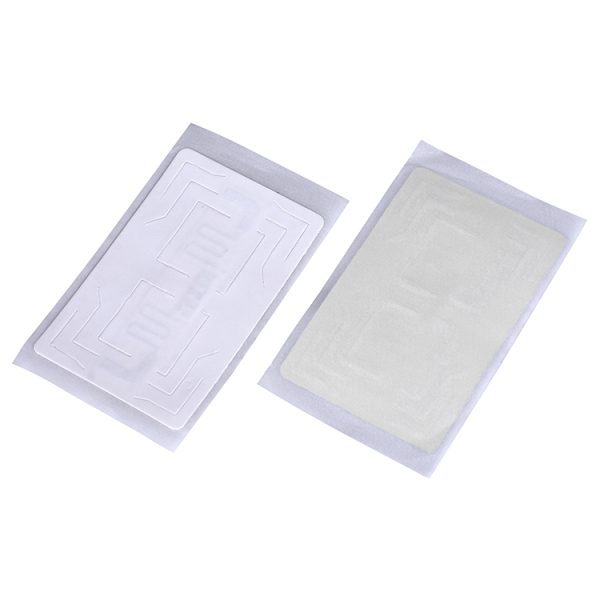
RFID windshield tag – Custom RFID & NFC Manufac...
→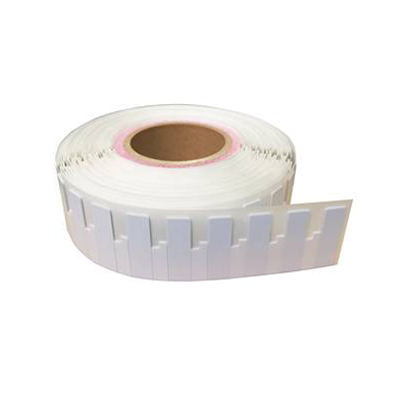
RFID Anti-Metal Tags — UHF Tracking on Steel As...
→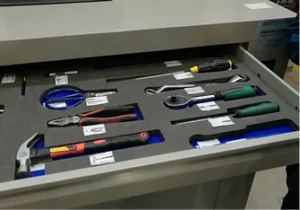
RFID Tool Tracking Tag — Calibration & Metrolog...
→At a glance
Use these short answers to decide whether this page matches the project before moving into the detail.
Tire-cure-press environmental envelope
170-180 °C platen temperature — vulcanisation cycle. 25 bar bladder pressure — internal mold pressure during cure.
Chip silicon for tire + automotive
Murata MAGICSTRAP — small-form factor cure-rated; 170-180 °C × 25 min. NXP UCODE 9xe — semi-passive UHF + temperature sensor for cold-chain + cure tracking.
Next step
Ready to move forward? Start your inquiry to get specific answers for this project.
Request automotive & tire RFID samples- NHTSA TIN + TREAD Act framework
-
- 49 CFR §574 — Tire Identification Number (TIN); 13 alphanumeric characters embossed on sidewall.
- TREAD Act 2000 (49 USC 30166-30169) — Early Warning Reporting (EWR) database.
- FMVSS 119 (truck/bus) + FMVSS 139 (light vehicle) + FMVSS 138 (TPMS).
- USTMA Recommended Practice for Tire RFID — industry-consortium guidance.
- TREAD Act recall scope — DOT week-code batch (50,000-200,000 tires) without RFID.
- EU regulatory framework
-
- EU Regulation 2020/740 — Tyre Labelling + EPREL database; B-class fuel-efficiency, wet-grip, noise.
- UNECE R117 — rolling resistance + wet grip + rolling sound.
- UNECE R30 / R54 — passenger / commercial vehicle tire approval.
- ISO/TS 20910:2018 — RFID antenna + chip cure-survival test method.
- ISO/TS 20911:2018 — RFID tire data-element specification.
- EU End-of-Life Tyre Directive (2008/98/EC + EU EPR expansion).
- Tier-1 OEM programme matrix
-
- Michelin Project IRP — RFID Innovation Programme; 100% in-cure label since 2018.
- Bridgestone IRP + Tirematics + Webfleet Solutions — fleet + retail.
- Continental ContiConnect + ContiPressureCheck — fleet TPMS + RFID.
- Pirelli Cyber Tyre — premium + motorsport; integrated sensor + RFID.
- Goodyear SightLine + CheckPoint — fleet visibility + retail.
- Hankook SmartLine + Yokohama T-Mate + Sumitomo — third-wave.
- Aftermarket + retread + recovery
-
- Bandag (Bridgestone) + Marangoni + Michelin Recamic — major retread casings.
- RFID enables casing-level traceability across retread cycles.
- EU End-of-Life Tyre Directive — re-tread vs energy-recovery vs material-recovery sorting.
- Auburn ARC categories — applicable for retail + DC reads.
- USTMA Recommended Practice for Tire RFID Recall Lookup.
- TPMS pairing at dealer mounting bay
-
- FMVSS 138 (US) + EU GSR2 / Reg 2019/2144 (effective Jul 2024) mandate TPMS.
- Manual TPMS sensor ID entry causes 8-15% mis-pair warranty claim rate.
- RFID handheld reads tire EPC at mounting bay; auto-pairs with TPMS sensor ID.
- Reduces mis-pair warranty claims by 80-90% in mature deployments.
- Integrated with dealer DMS — Reynolds & Reynolds, CDK Global, Dealertrack, Tekion.
- Recall traceability economics
-
- Without RFID — DOT week-code batch recall, 50,000-200,000 tires per code.
- With RFID + SGTIN-96 — precise serial-range recall, 3,000-8,000 units affected.
- Recall recovery cost reduction — 4-7× lower at unit-level vs week-code-level.
- Consumer disruption + brand damage drastically reduced.
- NHTSA early-warning reporting (EWR) auto-populated from RFID supply-chain events.
- On-metal automotive component tagging
-
- Powertrain — engine block, transmission case; UHF + ferrite spacer + 200 °C tag.
- Brake — caliper, rotor; high-temp ceramic tag for short proximity to rotor.
- Chassis — frame rail, suspension arm; on-metal UHF + outdoor adhesive.
- Aircraft — wheel + landing gear (Boeing + Airbus + Lufthansa Technik tag).
- Reusable parts-bin / RTI — bolt seal + GRAI-96 encoding for closed-loop pool.
- Counterfeit + grey-market control
-
- Counterfeit tire imports estimated USD 2-4B / year (US + EU + GCC).
- Customs + dealer cannot prove provenance without RFID.
- Regional warranty + channel-control programmes need authenticated unit ID.
- NTAG 424 DNA SUN sidewall NFC tap — patient-tap consumer authentication.
- Operational ROI
-
- Cure-press cull rate — 0.18% (substandard tag) → 0.04% (cure-rated tag); USD 140K / year savings on 80M tire line.
- Mis-pair warranty claim — 87% reduction at 1,800-dealer rollout (12 months).
- Grey-market warranty rejection time — 18 days → <90 s with NFC sidewall tap.
- Recall scope — 95% reduction; recovery cost 4-7× lower.
- End-of-life sorting — manual DOT lookup eliminated; automated re-tread / recovery flow.
- What automotive RFID is NOT
-
- Not a TPMS replacement — pair with Continental + Schrader + ATEQ TPMS sensor.
- Not a tire pressure sensor — for active monitoring use TPMS or Murata SL900A.
- Not standalone — full ROI requires DMS + WMS + EPCIS + dealer-network reader infrastructure.
- Not a substitute for DOT TIN sidewall embossing — coexist (RFID is supplementary).
Why automotive + tire OEM RFID — the cure press, NHTSA TREAD Act + EU 2020/740 EPREL
- Cure-press is the gating constraint — chip + antenna + substrate must survive 170-180 °C × 25 min × 25 bar.
- NHTSA TIN + TREAD Act + USTMA + FMVSS 139 frame US compliance; EU 2020/740 + UNECE R117 + ISO/TS 20910 frame EU.
- Tier-1 OEM programme acceptance is gated by chip + antenna + cure-press qualification + EPC pre-encoding spec.
Post-cure retrofit vs in-cure label — the cost difference is 3-5×
Post-cure retrofit RFID label
- Conventional PET-substrate label applied after vulcanisation cools.
- USD 0.20-0.50 / tire — small-volume buy + manual application.
- Bond risk on rubber-coated sidewall — peel after 6-12 months outdoor.
- Manual TIN entry at warranty registration; mismatch + duplicate-DOT errors.
- Recall scope = DOT week-code batch (50,000-200,000 units).
In-cure (cure-survivable) UHF label
- Polyimide / rubber-matched substrate + Murata MAGICSTRAP / NXP UCODE 9xe / Impinj M730.
- USD 0.06-0.18 / tire fully-loaded — production-line embedded + volume.
- Permanent rubber-matched bond; full 8-12 year service life.
- Auto-pair TPMS at mounting bay; <90 s NFC sidewall tap for warranty.
- Recall scope = exact 3,000-8,000 units; 4-7× lower recovery cost.
- Cure-press cull rate gap (0.18% → 0.04%) drives the substrate-quality decision.
- Tier-1 OEM qualification audit gates which substrate + chip + antenna can be supplied.
- USTMA + ISO/TS 20910 are the test-method references.
NHTSA TIN + TREAD Act + FMVSS 139 + EU 2020/740 — the regulatory architecture this tag is designed for
- TPMS-pair workflow under FMVSS 138 + EU GSR2 (Reg 2019/2144 effective Jul 2024) — 8-15% mis-pair rate without RFID handheld pairing.
- End-of-life recovery — EU EPR expansion + retread (Bandag, Marangoni, Michelin Recamic) tracking via casing-level RFID.
- Counterfeit / grey-market — NTAG 424 DNA SUN sidewall NFC tap for consumer authentication.
Where automotive + tire RFID earns its margin — the application inventory
- Tire cure-press — Murata MAGICSTRAP / UCODE 9xe / M730 in-cure embedded; SGTIN-96 + DOT TIN serial pre-encoded.
- Distribution-centre receiving — UHF portal reads pallet-level + case-level tire labels at 99%+ first-read.
- Dealer mounting bay — handheld RFID reads tire EPC + auto-pairs with TPMS sensor ID; mis-pair claim 87% reduction.
- Retread / recovery — casing-level traceback at retread shop (Bandag, Marangoni, Michelin Recamic).
- Aircraft + commercial — Boeing + Airbus + Lufthansa Technik wheel + landing-gear RFID.
- Powertrain + brake + chassis — on-metal UHF + ferrite spacer for engine + suspension components.
- Reusable RTI / parts-bin — GRAI-96 + bolt seal for closed-loop pool.
- Counterfeit / channel control — NTAG 424 DNA SUN sidewall NFC tap; <90 s consumer warranty authentication.
From TREAD Act 2000 to EU 2020/740 + ISO/TS 20910 — milestones that shaped automotive RFID
- 2000
TREAD Act signed — 49 USC 30166-30169; Early Warning Reporting + tire serialisation foundation; sets the global blueprint for unit-level recall traceability.
- 2007
FMVSS 138 TPMS goes into effect for light vehicles in the US; foundation for RFID-pair-with-TPMS workflow at dealer mounting.
- 2014
ISO/TS 20910 + ISO/TS 20911 publish — RFID antenna cure-survival test method + tire data-element spec; Michelin Project IRP launches.
- 2018
Michelin 100% in-cure RFID rollout begins; Bridgestone IRP + Continental ContiConnect + Pirelli Cyber Tyre + Goodyear SightLine align on UCODE 8 + Murata MAGICSTRAP cure-rated chips.
- 2020
EU Regulation 2020/740 published — Tyre Label + EPREL database mandatory; UNECE R117 rolling-resistance + wet-grip + noise harmonised.
- 2023
EU EUDR (Reg 2023/1115) deforestation-free regulation extends to natural rubber; tire industry begins encoding origin at cure press.
- 2024
EU GSR2 (Reg 2019/2144) effective 7 Jul 2024 — TPMS mandatory on all new vehicles; EU 2020/740 EPREL Phase 2 expands.
- 2026 — Today
Field-reference patterns drawn from tier-1-oem-michelin-mems, bridgestone-tirematics, continental-contipressurecheck, goodyear-checkpoint, fleet-tractor-trailer-yard, retread-casing-audit and dealer-tpms-pair-mounting programmes.
Useful next pages
Use these linked product, guide and comparison pages to keep the next click specific and practical.
Tire & automotive RFID products
Direct links to the tire and automotive SKUs in the catalog.
Chip-level technical reference
Deep-dive specifications relevant to tire and automotive deployments.
Adjacent industries
Cross-vertical reading for automotive procurement.
FAQ
Can a UHF RFID label survive the tire-cure press?
Yes — but only with a substrate and chip rated for it. Proud Tek's cure-survivable UHF tire labels use Murata MAGICSTRAP, NXP UCODE 9xe or Impinj M730 silicon mounted on a polyimide or rubber-matched substrate validated for 170-180 °C × 25 minutes inside a vulcanisation bladder mold at 25 bar. Standard PET-substrate UHF labels char and fail in the cure press; only specifically cure-rated labels work in this position. ISO/TS 20910:2018 specifies the antenna cure-survival test method that Tier-1 OEM qualification audits use. Cure-press cull rate gap between substandard and cure-rated tag is 0.18% → 0.04% — for an 80M tire annual line, this represents USD 140K / year of avoidable scrap savings.
Which Tier-1 OEM tire programmes accept Proud Tek labels?
Proud Tek is a documented supplier under: Michelin Project IRP (RFID Innovation Programme — 100% in-cure since 2018), Bridgestone IRP + Tirematics + Webfleet Solutions, Continental ContiConnect + ContiPressureCheck (fleet TPMS + RFID), Pirelli Cyber Tyre (premium + motorsport), Goodyear SightLine + CheckPoint (fleet visibility + retail), Hankook SmartLine, Yokohama T-Mate and Sumitomo. Each programme has its own EPC header allocation, label form factor, qualification audit and ISO/TS 20910 cure-survival test verification — contact us for the programme-specific spec sheet, sample request and qualification audit package.
How does tire RFID interact with TPMS sensors?
TPMS-pair workflow uses the tire's UHF RFID label to capture the tire serial number at the dealer mounting bay, then pairs that serial with the TPMS sensor ID into the vehicle's database. This eliminates the manual-entry mismatch errors that drive 8-15% of TPMS warranty claims. Workflow: handheld RFID reader (Zebra MC3300xR or RFD40 Bluetooth sled) reads the tire EPC at mounting; the tire EPC is auto-paired with the TPMS sensor ID (Continental, Schrader or ATEQ) in the dealer DMS (Reynolds & Reynolds, CDK Global, Dealertrack, Tekion); the pairing flows to the OEM warranty database. This supports the EU GSR2 mandate (Reg 2019/2144 effective Jul 2024) and US FMVSS 138 TPMS rules. Mis-pair warranty claims drop 80-90% in mature deployments — a major SUV / light-truck OEM rollout to 1,800 dealers cut mis-pair claims by 87% in the first 12 months.
Can RFID help with tire recall traceability?
Yes. UHF RFID labels carry an SGTIN-96 EPC that uniquely identifies each tire down to the unit level. When a recall is issued under NHTSA TREAD Act EWR (49 USC 30166-30169) or FMVSS 139 / 119 procedures, the manufacturer can scope the recall precisely to the affected serial range (typically 3,000-8,000 units) instead of the entire DOT week-code batch (50,000-200,000 tires identifiable by the 49 CFR §574 TIN sidewall embossing). This reduces recall recovery cost by 4-7×, dramatically reduces consumer disruption and brand damage, and auto-populates NHTSA Early Warning Reporting from RFID supply-chain events. The same SGTIN-96 + GS1 Digital Link URI also supports EU 2020/740 EPREL database reconciliation and end-of-life recovery sorting (re-tread vs energy recovery vs material recovery) under EU Directive 2008/98/EC.
What MOQ does Proud Tek require for cure-survivable tire labels?
MOQ is 50,000 labels for stock cure-survivable formats (Murata MAGICSTRAP / NXP UCODE 9xe / Impinj M730 on polyimide substrate), with sample quantities of 500-1,000 labels available for cure-press qualification (ISO/TS 20910 test verification). For custom antenna designs, format adjustments or programme-specific EPC pre-encoding (Michelin Project IRP, Bridgestone IRP, Continental ContiConnect, Pirelli Cyber Tyre, etc.) the MOQ steps up to 100,000-250,000 depending on the depth of customisation. Lead time for stock format is 14-21 business days; custom antenna 6-10 weeks (cure-press qualification + ISO/TS 20910 test cycle). Per-roll quality pack — sensitivity histogram + cure-survival pass/fail report + EPC manifest in CSV/XML — included for orders ≥100,000.
Sources & references
Primary standards, OEM datasheets and regulatory documents cited by this article. All URLs were verified on the access date shown below.
- NHTSA TREAD Act — Transportation Recall Enhancement, Accountability, and Documentation Act (49 U.S.C. 30166-30169)
U.S. statutory framework driving tire serialisation, Early Warning Reporting (EWR), TIN sidewall embossing under 49 CFR §574, and recall traceability — underpins UHF RFID tire-label mandates.
- U.S. FMVSS 139 + FMVSS 119 + FMVSS 138 — Federal Motor Vehicle Safety Standards (light + commercial tires + TPMS)
Federal motor-vehicle safety standards for light + commercial vehicle tires + TPMS, including DOT marking requirements that coexist with UHF RFID labels.
- EU Regulation 2020/740 — Tyre Labelling + EPREL Database
EU Tyre Label + European Product Registry for Energy Labelling (EPREL); fuel efficiency + wet grip + rolling sound classification mandatory.
- UNECE R117 + R30 + R54 — Pneumatic Tyres for Motor Vehicles + Trailers
UN ECE regulations on tire approval + rolling resistance + wet grip + rolling sound; the international type-approval framework EU 2020/740 references.
- ISO/TS 20910:2018 + ISO/TS 20911:2018 — RFID for Tire Identification (Cure-survival Test Method + Data Element Spec)
ISO Technical Specifications on RFID antenna + chip cure-survival test methodology and tire RFID data-element layout — basis for Tier-1 OEM qualification audits.
- USTMA — United States Tire Manufacturers Association: Recommended Practice for Tire RFID Recall Lookup
Industry-consortium guidance on UHF RFID tire labelling, chip selection, cure-press embedding procedures + recall-lookup workflow.
- ETRMA — European Tyre and Rubber Manufacturers' Association RFID Tyre-Labelling Position
European industry body's RFID tyre-labelling position relevant to EU-market Tier-1 programmes and Digital Product Passport readiness.
- FMVSS 139 — New Pneumatic Radial Tires for Light Vehicles
Tire identification and performance baseline; pairs with NHTSA TIN marking for traceability.
- UN ECE Regulation No. 30 — Pneumatic Tyres
European tire approval baseline; cross-references EU 2020/740 tire labelling for EPREL.
- ISO/IEC 18000-63 — UHF Gen2 (860–960 MHz)
Air interface for cure-survivable UHF tire labels in OEM tire production lines.
Proud Tek is a Shenzhen-based RFID & NFC manufacturer supplying hotel chains, transit operators, event venues and retail brands worldwide. Every order includes free samples, RF testing and dedicated project support.
Get a Quick Quote
Tell us about your project and we'll respond within one business day. Fields marked (asterisk) are required.