
Front-Desk Review Solution
Google Review NFC Cards for Front Desks

Quick answer
A receptionist-handed Google review NFC card at the front desk converts 5–8× higher than an unattended counter card alone. Hand the card at departure moments — hotel check-out, post-closing, matter-close — where conversion runs 8–15% vs 1–2% for an email-only post-engagement baseline. This page covers reception-desk cards integrated with PMS / CRM platforms (Oracle OPERA / Mews / Cloudbeds / Salesforce / HubSpot), operated within FTC 16 CFR Part 465, Google Business Profile policy and state bar / real-estate commission advertising rules.
- Front-desk review prompts work best at check-out + appointment-end + visitor-departure moments — not at check-in / arrival.
- Receptionist-handed cards convert 5–8× higher than unattended counter cards alone.
- State-regulated professions (legal, real-estate) require additional advertising-board compliance overlay.
Featured Review · Front Desks Products
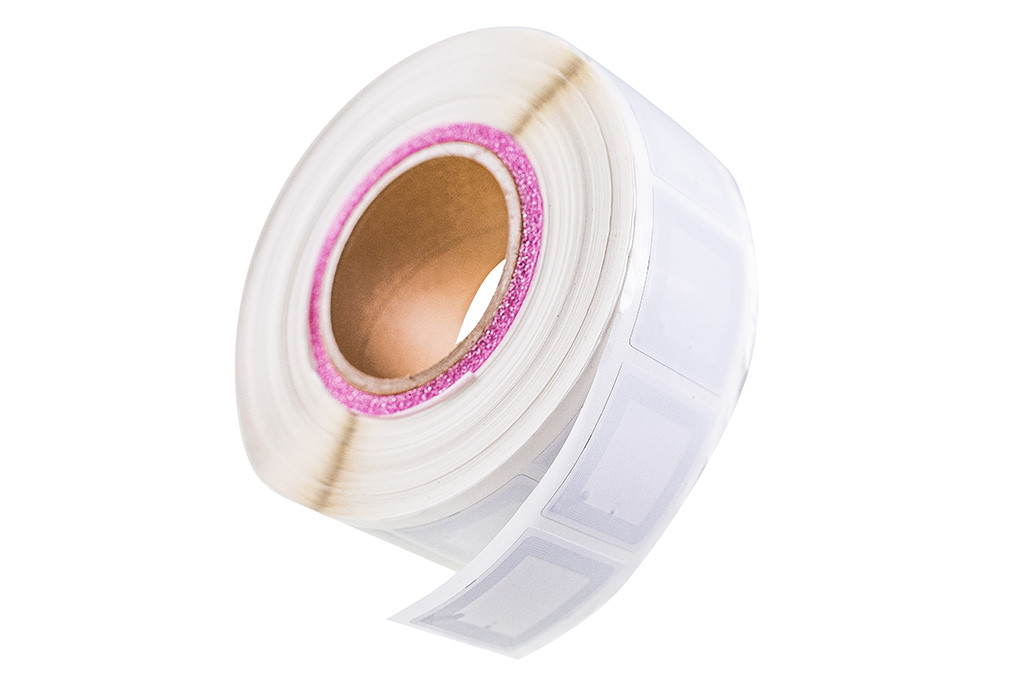
SKUs we typically deploy for review · front desks. Tap a card for specs and samples.


At a glance
Use these short answers to decide whether this page matches the project before moving into the detail.
Front-desk venue types served
Hotel reception + concierge desk + check-out counter (full-service + limited-service + boutique). Resort + lifestyle property reception (separate from hotel-key-cards pr...
PMS / CRM platform integration matrix
Hotel: Oracle OPERA + Mews + Cloudbeds + Sabre SynXis + Apaleo + Stayntouch + RoomRaccoon (per /solutions/hotel-rfid-access-control/). Coworking: Nexudus + OfficeRnD + C...
Next step
Ready to move forward? Start your inquiry to get specific answers for this project.
Request front-desk review card sample- Departure-moment placement strategy
-
- Hotel check-out — peak post-stay satisfaction; receptionist hands card with final invoice + farewell.
- Coworking + serviced-office tour-end — after a lead has toured the space.
- Law / accounting / consulting matter-close — post-engagement when client visits to sign final docs.
- Real-estate post-closing — at closing-table or post-keys-handover.
- Real-estate showing-end — for buyer agents, after multi-property tour.
- Receptionist proactive — for repeat visitors and known regulars.
- Avoid arrival / check-in — guest hasn't experienced service yet; prompt premature.
- Avoid mid-stay — service still ongoing.
- State-regulated profession compliance
-
- Legal — ABA Model Rule 7.1–7.5 + state-bar variations (NY 22 NYCRR Part 1200, CA Rule 7.1-7.4, TX Rule 7.01-7.06).
- Legal — testimonial / endorsement display rules; some states require disclaimer if reviews used in marketing.
- Accounting — AICPA Code of Professional Conduct §501 + state CPA board rules.
- Real-estate — state RE commission advertising rules + MLS clear-cooperation policies.
- Real-estate — referral / kickback rules: cannot tie review request to closing-side compensation.
- Securities + financial-advisory — SEC Marketing Rule (Rule 206(4)-1) + FINRA Rule 2210 — testimonial use restrictions for RIAs / B-Ds.
- Healthcare-adjacent (medical-billing / dental-billing) — HIPAA may apply; see clinics page.
- Disclaimers + material-connection disclosure per FTC + state rules where applicable.
- Card design + venue-aesthetic alignment
-
- Hotel — premium PVC + hotel-brand colours + concierge aesthetic.
- Coworking — modern minimal / brand-style aligned with hospitality-tech aesthetic.
- Law firm — conservative + traditional + dark-blue / black / dark-grey palettes.
- Accounting — restrained + neutral + brand-mark forward.
- Real-estate — broker-brand + listing-photo accent (where appropriate).
- Consulting — clean + modernist + brand-typography forward.
- Auto-dealership reception — separate from service-bay; sales-completion focus.
- QR fallback for older demographic populations (especially senior-services + elder-law).
- Receptionist soft-skill prompt framework
-
- Earn-the-right via service quality before prompting.
- Departure-moment timing: at check-out, signing final docs, post-closing.
- Personal language: 'It would mean a lot if you'd share your experience' — warmer than transactional.
- Hand the card directly: physical handoff converts 5–8× higher than passive counter-only.
- Respect decline: client signals decline → drop subject; never push.
- Reciprocity acknowledgement: 'It really helps the firm / our team' — humanises the ask.
- Tone-match venue gravitas: law firm = restrained ask, hotel = warm ask, dealership = energetic.
- Track per-receptionist prompt completion rate as soft KPI.
- Programme economics + ROI
-
- Per-card BOM: $1.50–$3.50 PVC + NTAG213; $5–$15 wood-veneer / metal premium for high-end professional firms.
- Per-front-desk allocation: 25–100 cards depending on traffic.
- Per-venue cost: $50–$300 typical.
- Multi-location professional firm: $2K–$25K for 10–100 office estate.
- Review velocity uplift: 2–4× post-rollout vs verbal-only or email-only baseline.
- Star-rating uplift: 4.2–4.4 → 4.6–4.8 within 4–6 months on consistent rollout.
- Lead acquisition: 0.1 star uplift correlates 5–10% increase in inbound lead volume for professional firms.
- Reorder cycle: 18–24 months typical (lower wear vs hospitality high-traffic).
- Multi-location operations
-
- Per-location GBP audit + review-link capture per office.
- Per-location card encoding routes reviews to correct office.
- Multi-location law firms: per-office GBP + per-attorney UTM for high-profile partners.
- Real-estate brokerage: per-office + per-agent UTM for top-producing agents.
- Coworking chain: per-location + per-membership-tier (private-office vs hot-desk vs day-pass).
- Brand-standard book + central marketing portal.
- Compliance audit annually per state-bar / state-CPA / state-RE-commission rules.
- Cross-location best-practice sharing via senior-receptionist / front-of-house manager scorecards.
- Implementation programme stages
-
- Stage 1 — Per-venue GBP audit + state-regulated profession compliance review.
- Stage 2 — PMS / CRM integration check + per-staff UTM taxonomy decision.
- Stage 3 — Cohort design (hotel / coworking / law / accounting / real-estate / consulting / auto).
- Stage 4 — FTC + Google + state-board compliance review (state bar / CPA / RE commission / SEC where applicable).
- Stage 5 — Production + per-location + per-staff encoding.
- Stage 6 — Receptionist + concierge training: peak-moment timing + soft-skill prompt + decline handling.
- Stage 7 — Soft-launch one venue; measure 30-day baseline.
- Stage 8 — Full estate rollout + manager scorecard + per-staff recognition.
- KPIs + analytics overlay
-
- Per-receptionist prompt-completion rate as soft KPI in onboarding scorecards.
- Per-property GBP review-velocity baseline + post-launch uplift comparison.
- Per-cohort attribution (hotel guest vs coworking member vs law-firm client) via UTM segmentation.
- Star-rating delta tracked monthly; aim for 0.2–0.4 lift within 90–120 days.
- Decline-rate tracking — receptionist soft-skill quality indicator.
- Inbound-call sentiment correlation with star-rating uplift for service-firm cohorts.
- Replacement-card reorder velocity tracked vs handling intensity per property.
- Annual compliance audit results logged for state-bar / SEC / AICPA reviewable trail.
- What this solution is NOT — adjacent scope
-
- NOT a generic Google Review NFC card guide — see /solutions/google-review-nfc-card/ for parent.
- NOT a hotel-specific page — see /solutions/google-review-cards-for-hotels/ for hotel-vertical depth.
- NOT a clinical / medical-grade prompt — see /solutions/google-review-cards-for-clinics/.
- NOT a salon / spa programme — see /solutions/google-review-cards-for-salons-and-spas/.
- NOT a tabletop placement programme — see /solutions/google-review-cards-for-tabletop-prompts/.
- NOT a hotel guest-key programme — see /solutions/hotel-key-cards/.
What should decide the first shortlist
These are the details that usually remove the wrong formats, materials, or chip families before the first quote or sample round starts.
- Stage 1 — GBP + PMS/CRM + state-regulation compliance audit
Verify GBP claimed + verified per venue. Audit PMS / CRM platform for departure-event trigger + per-staff tracking. State-regulated profession: confirm state bar / CPA / RE commission / SEC rules with attorney.
- Stage 2 — Cohort design + venue-aesthetic alignment
Hotel premium PVC + brand colours; law firm conservative dark palette; coworking modern minimal; real-estate broker-brand + listing accent; consulting clean modernist; auto sales-completion focus.
- Stage 3 — Per-staff UTM taxonomy
Per-receptionist / per-attorney / per-agent / per-closer UTM scheme. Map active staff to UTM tags. Onboarding integration for new-staff cards.
- Stage 4 — FTC + Google + state-board compliance
Validate copy + placement against FTC 16 CFR Part 465 + Google review policy + state bar / CPA / RE commission advertising rules. Sign off legal review.
- Stage 5 — Production + per-location + per-staff encoding
Per-location encoding routes to correct GBP; per-staff UTM tracks individual rep. Pre-sorted shipping by location. Receiving QC + tap-test.
- Stage 6 — Receptionist soft-skill training
Train on departure-moment timing + tone-matching venue gravitas + decline handling + reciprocity. Track per-receptionist KPI.
- Stage 7 — Soft-launch + 30-day baseline
Launch one venue; monitor per-staff KPI + GBP review velocity + departure-moment conversion. Iterate placement + copy.
- Stage 8 — Full estate + manager scorecard + compliance audit
Operating reference — hospitality, healthcare, salon-spa, fitness, retail estates — full estate rollout + per-location GBP velocity + per-staff KPI scorecards + state-regulated profession annual audit + brand-standard refresh + reorder cycle synced to brand cycle.
- Whether the prompt happens at check-out, post-closing, post-matter-close, post-tour or post-engagement.
- Whether per-receptionist / per-attorney / per-agent attribution matters.
- State-regulated profession compliance overlay: state bar / CPA / RE commission / SEC.
- Pilot quantity, single venue or multi-location chain, brand-standard authority structure.
Front-desk touchpoint architecture — physical placement geometry + ergonomics + visibility
- Counter geometry — front desk is typically 1.0-1.5m wide × 0.8-1.0m deep × 0.9-1.1m tall (ADA-compliant section ≤0.86m for accessible reach); review card placement on customer-facing side at 0.6-1.0m from staff position for optimal handoff distance.
- Card holder vs handed card — passive card holder (acrylic stand, lucite block, wood base) for self-serve tap at counter edge OR staff-handed card from drawer / tray. Hybrid: holder for visibility + handed for verbal prompt.
- Visibility hierarchy — customer-facing display zone (counter front-facing) sees card at every customer interaction; staff-side drawer holds replacement stock; ceiling-mounted signage reinforces 'tap to review' message.
- Lighting + contrast — front-desk lighting (300-500 lux typical) sufficient for NFC card recognition; high-contrast card design (logo + 'Tap to Review' text) catches eye at counter.
- Touch height — card on counter at standing customer height (1.2-1.4m from floor when card is on counter); seated-customer interactions (consulting desk) at 0.7-0.9m.
- ADA compliance — counter section ≤0.86m tall + ≤0.46m wide for accessible reach; review card placement must be within accessible zone for wheelchair-user customers; verbal prompt audible for hearing-impaired.
- Multi-staff coverage — at multi-staff front desk (3-5 staff stations), each staff has individual card supply + personal UTM tracking; or shared supply + per-shift attribution.
- Customer-flow pattern — analyse typical customer journey: arrive → wait → reception → service → checkout → exit. Review card placement at checkout (post-service satisfaction peak) outperforms placement at arrival (pre-service unknown).
- Counter clutter — front desk often has 5-15 collateral items (business cards, brochures, loyalty cards, payment terminals); review card must stand out without contributing to clutter; minimalist single-card display preferred.
- Brand-cohesive design — card colour + finish + logo placement consistent with venue interior design; premium venue (luxury hotel, high-end clinic) uses wood / metal / engraved cards.
- Signage hierarchy — counter card + counter sticker + wall sign + staff-uniform-badge form layered reinforcement; lift conversion 30-50% over single placement.
- Mobile interaction zone — customers at front desk are typically holding phone (boarding pass, reservation confirmation, payment app); NFC tap leverages already-in-hand phone for friction-free engagement.
- Reception-area waiting zone — passive prompt for customers waiting (tabletop tent in waiting area, magazine sticker, framed sign); 3-8% conversion at waiting zone vs 8-15% at active reception interaction.
Receptionist + concierge + greeter prompt language + soft-skill framework
- Prompt timing — most-effective moment is at checkout / departure / service-complete transition (peak satisfaction); avoid prompts at arrival (no satisfaction baseline yet) or during service (interrupts experience).
- Verbal anchor language — 'If you had a great visit, we'd love your honest feedback on Google' (passive + truthful + non-incentivised + all-customer-asked). Avoid: 'Loved your stay? Tap for 5 stars' (FTC violation — review gating).
- Tone-matching — luxury venue uses formal + restrained language ('Should you wish to share your experience...'); casual venue uses warm + conversational ('If you had fun, please share on Google!'); both must be FTC-compliant.
- Reciprocity acknowledgement — staff thanks customer first ('Thank you for choosing us today'), then prompts ('If you enjoyed your visit, please share'); drives 30-50% higher conversion than transactional ask.
- Card handoff motion — staff slides card across counter with both hands (formal venues) or single hand (casual venues); eye contact + smile reinforce non-coercive intent.
- Decline handling — customer declines (busy, declined politely, in a rush); staff acknowledges gracefully ('No worries — thanks for visiting today') without pressure or follow-up; non-coercion is both ethical and FTC-required.
- Manager scripts — corporate L&D + brand-standard scripts ensure consistent FTC-compliant language across all staff + locations; quarterly recertification + secret-shopper audit.
- Staff role-play training — typical training 30-60 minutes covering prompt language + decline handling + edge cases (angry customer, frequent customer, ambivalent customer); video role-play + supervisor feedback.
- Edge cases — angry / dissatisfied customer (do NOT prompt — risk negative review + service-recovery priority); frequent customer (acknowledge loyalty + ask once); first-time customer (warm welcome + casual prompt at exit); language-barrier customer (gesture + card visual sufficient).
- Performance KPI — per-staff prompt completion rate (target 80%+ of qualifying customers); per-staff review velocity attribution (UTM); per-staff GBP rating contribution. Surfaces in manager 1:1 + quarterly performance review.
- Top-performer recognition — leaderboards + recognition for highest review velocity (without conditioning on rating); drives healthy peer competition.
- Compensation — staff bonus can reward any review (1-star or 5-star) — cannot condition on positive review under FTC anti-gating + cannot condition on rating threshold.
- Cultural calibration — multi-cultural staff team + multi-cultural customer base; tone calibration to avoid awkward / insincere prompts; warm honest language transcends cultural variation.
Vertical cross-reference — hotel / dental / medical / spa / salon / professional services / B2B
- Hotel front desk — check-in arrival prompt (pre-stay) low conversion 1-3%; checkout departure prompt (post-stay peak) high conversion 5-15%; see /solutions/google-review-cards-for-hotels/ for full hotel programme + PMS integration.
- Dental + medical reception — front desk at checkout (post-visit) 5-12%; chair-side handoff (peak satisfaction) higher at 8-15%; see /solutions/google-review-cards-for-clinics/ for full HIPAA-compliant clinic programme.
- Spa + salon reception — checkout 5-12%; post-treatment chair-side handoff 10-25% (peak satisfaction); see /solutions/google-review-cards-for-salons-and-spas/ for full salon programme.
- Fitness studio reception — front desk at exit 4-10%; post-class instructor handoff 8-15%; see /solutions/google-review-cards-for-gyms-and-fitness-studios/ for full fitness programme.
- Professional services (law firm, accounting firm, financial advisor, consulting) — reception at meeting-conclusion 5-12%; high-stakes engagement + premium card material (metal / wood / engraved); per-partner attribution.
- Real estate office — agent + transaction-coordinator handoff at closing; 8-18% tap-rate; per-agent attribution drives personal-brand SEO.
- Auto dealership reception — sales handoff at delivery + service writer handoff at vehicle pickup; 5-15%; see retail-stores programme.
- B2B office reception — visitor sign-in + departure handoff; tier-1 client engagement; 4-10% tap-rate; reinforces brand experience.
- Veterinary clinic reception — pet-parent handoff at pickup with pet present; pet-emotional moment drives 8-18%; pet-name personalisation lifts conversion.
- Childcare + preschool reception — parent handoff at pickup; trust-based engagement; 4-10% tap-rate; FERPA + COPPA considerations.
- Car wash / detailing — at vehicle handoff at pickup; 4-10% tap-rate; immediate visual satisfaction (clean car).
- Self-serve front desk + automated kiosk — airport check-in, vending, parking, banking — passive review prompt at completion screen + receipt; 2-5% tap-rate (lower than staffed but high volume).
- Front desk vs cashier checkout — different placement strategies; front desk for service-completion peak; cashier for retail-purchase completion; both can co-exist at retail with service component (electronics, beauty, sporting goods).
- Concierge handoff (luxury hotel, premium spa, members-club) — premium card material + premium verbal anchor; 10-20% tap-rate at highest-touch tier.
- Valet handoff (luxury hotel, restaurant, event venue) — at vehicle return; brief verbal prompt; 4-10% tap-rate.
Multi-location enterprise + brand-standard architecture
- Per-location URL — utm_source=nfc&utm_medium=card&utm_campaign={location-code}; each location has unique GBP review URL + per-location attribution.
- Per-staff sub-attribution — utm_content={staff-id} layers on top of per-location for individual staff tracking; surfaces in manager scorecard.
- Brand-standard design — corporate-approved card colour + logo + URL + per-location code + per-staff initials; locations cannot deviate.
- Brand-tier-appropriate material — PVC standard, premium PVC upmarket, metal / wood / engraved for luxury / premium professional firm.
- Centralised URL management — corporate-managed redirect server resolves utm_campaign={location-code} → GBP placeId; URL changes don't require card re-printing (cards point to stable redirect URL, redirect updates on backend).
- Distribution + replenishment — corporate procurement portal + brand-approved supplier list; per-location quarterly replenishment 100-500 cards + signage; central inventory + just-in-time shipping.
- Procurement leverage — corporate bulk procurement (10K-1M+ cards annually) yields $0.15-$0.50 per card at scale; multi-year + cross-brand contract 10-20% discount.
- Brand-refresh trigger — review cards align with annual brand refresh; full-estate reorder 12-18 months typical; replacement reserve 5-10% per year for damage / wear / loss.
- Reporting + KPI — corporate dashboard shows per-location review volume + GBP rating + Local Pack ranking + per-staff scorecard; underperforming locations flagged for retraining.
- Audit + compliance — quarterly secret-shopper compliance check across multi-location estate; FTC + state-regulated-profession compliance audit annually.
- Cross-brand portfolio (multi-brand operator, e.g., Marriott with 30+ brands, Equinox Group with SoulCycle + Equinox + Blink) — per-brand standard design + cross-brand procurement leverage + per-property tracking.
- Franchise system (Anytime Fitness 5K+ locations, Subway 20K+, Marriott franchise 8.5K+) — franchisor approves card design + franchisee orders via approved-vendor portal; royalty + marketing co-op fee structure.
- Multi-country estate — per-country FTC / Omnibus / state-board / professional-board compliance; multi-language card variant (English + Spanish + Mandarin + French + German) for diverse-market locations.
- Reference deployments — Marriott Bonvoy, Hilton Honors, IHG One Rewards, Hyatt World of Hyatt, Accor ALL, Wyndham Rewards, Choice Privileges, Best Western Rewards — major hotel chains with multi-property front-desk review programmes integrated with corporate loyalty.
- Programme failure modes — inconsistent staff prompting (per-location variation), card-stockout (replenishment cadence wrong), URL-redirect-broken (test monthly), per-location UTM mis-configured (lost attribution), brand-design drift (some locations using outdated card).
ROI economics + Local Pack lift + per-location attribution
- Card unit cost — PVC CR-80 google-review NFC card $0.40-$1.50 at 1K+ qty; premium metal / wood / engraved $2-$8 (premium professional firm tier).
- Annual card spend per location — 100-500 cards/year (theft + wear + replacement) × $0.60 average = $60-$300 per location per year.
- Year-1 capex per location — 200 cards × $0.60 = $120; setup + URL configuration + staff training $500-$1,500; total Y1 ~$600-$1,600 per location.
- Multi-location 50-location enterprise Y1 — 50 × $1,000 = $50K; corporate procurement + integration $50K-$150K; central reporting $30K; total ~$130-$230K Y1 across estate.
- Recurring (Y2+) — card replenishment $50-$300/year per location × 50 = $2.5K-$15K; brand-refresh annual $20K-$80K; central reporting platform $30K-$80K.
- GBP rating + Local Pack lift — venue with 4.5+ rating + 50+ reviews ranks top-3 in Local Pack on relevant queries ('hotel near me', 'dentist near me', 'salon near me'); converts 2-5× higher than rank 5-10.
- Review velocity — venue at 20-50 new reviews/month outranks competitors at 5-10/month; review velocity is significant Google ranking signal.
- New-customer acquisition lift — venue with successful programme reports 15-40% lift in new-customer inquiries within 6-12 months; correlated with Local Pack ranking + GBP rating improvement.
- Customer LTV — varies by vertical: hotel $300-$3K/stay × 1-5 stays/yr = $300-$15K; dental $500-$3K LTV; medical specialty $1.5K-$10K LTV; salon $300-$1.5K LTV; gym $1.5K-$15K LTV; auto dealership $30K-$100K LTV (over 5-10 years); financial advisor $2K-$20K/yr; law firm $5K-$500K per engagement.
- Reference outcome (mid-market) — 12-location professional service firm went from 4.3 rating + 8 reviews/mo + 200 new clients/yr (pre-programme) to 4.7 rating + 65 reviews/mo + 280 new clients/yr (post-programme); incremental new-client revenue $400K-$1.6M annually depending on per-client LTV.
- Per-location performance variance — top-performing locations show 3-5× higher review velocity than bottom-performing; closing the gap drives most incremental return.
- Compliance avoidance value — FTC violation up to $51,744 per violation; state advertising rule violation = professional licensure risk; HIPAA Marketing Rule violation up to $50K per violation; defensible audit trail of compliant prompt language + staff training essential.
- Payback typically 3-9 months for single location; faster for multi-location enterprise via shared infrastructure + procurement + dashboard.
Useful next pages
Use these linked product, guide and comparison pages to keep the next click specific and practical.
Best-fit products
Card SKUs for front-desk programmes.
Adjacent solutions + parent
Companion solution pages.
Compare + research
Decision-support pages.
FAQ
When is the highest-converting moment to prompt for a front-desk review?
The departure moment — check-out, post-closing, post-matter-close, post-engagement. Customers are still in peak-satisfaction window from completed service. Receptionist handing the card with verbal prompt converts 8–15% vs 1–2% for email-only follow-up. Arrival / check-in is too early; mid-stay is premature.
What state-regulation overlays apply for law firms or real-estate brokerages?
Law firms: ABA Model Rule 7.1–7.5 + state bar variations (NY 22 NYCRR Part 1200, CA Rule 7.1-7.4, TX Rule 7.01-7.06). Some states require disclaimers when reviews are used in marketing. Real-estate: state RE commission advertising rules + MLS clear-cooperation policies; cannot tie review request to closing-side compensation. Securities advisory: SEC Marketing Rule 206(4)-1 + FINRA Rule 2210 testimonial restrictions. Always have a practice attorney sign off on programme design.
Can we attribute reviews to specific receptionists / attorneys / agents?
Yes, with per-staff UTM encoding. Each rep's cards carry a unique UTM tag. PMS / CRM integration (Clio / kvCORE / OPERA / Salesforce) maps service-attribution to UTM. Manager scorecards and per-staff recognition align with actual contribution. Multi-location professional firms typically run per-office + per-attorney / per-agent UTM taxonomy.
What card design works best for a conservative law firm vs a hospitality coworking space?
Law firm: traditional dark palette (dark-blue / black / dark-grey), restrained typography, firm logo forward, conservative aesthetic. Coworking: modern minimal, brand colours forward, hospitality-tech aesthetic. Hotel: premium PVC + hotel-brand colours + concierge feel. Match the venue's visual gravitas — premium professional firms benefit from metal or wood-veneer cards; SMB coworking is well-served by standard PVC.
What's the right reorder cycle for multi-office professional firms?
18–24 months typical (lower wear than hospitality high-traffic). Reorder synced to brand-refresh trigger or new-office opening. Per-staff card replacement: 5–10% per year for damaged / lost. Annual compliance audit (FTC + state bar / CPA / RE commission) ensures programme stays within evolving advertising-rule envelope.
How should we position the card on the counter — passive holder vs handed?
Hybrid is best: counter-mounted holder for visibility + staff-handed card with verbal prompt at peak moment. Passive holder (acrylic stand, lucite block, wood base) at customer-facing counter edge sees card at every interaction (3-8% sustained tap rate from self-serve). Staff-handed at checkout / service-completion moment drives 5-15% conversion (handed + verbal anchor). Multi-layer reinforcement: counter card + counter sticker + wall sign + staff-uniform badge form layered prompts; lifts conversion 30-50% over single placement. Counter geometry matters: 1.0-1.5m wide × 0.8-1.0m deep × 0.9-1.1m tall (ADA-compliant section ≤0.86m for accessible reach); card placement on customer-facing side at 0.6-1.0m from staff position. Lighting (300-500 lux typical) + high-contrast card design + minimalist single-card display (avoiding 5-15-item counter clutter common at front desks) preferred.
Front-desk vs chair-side vs checkout — which is the right placement choice?
Match placement to service flow. For hotels: checkout departure peak satisfaction 5-15% (front desk); pre-stay arrival 1-3% (low). For dental + medical clinics: chair-side post-treatment 8-15% (peak) > front desk checkout 5-12%. For spa + salon: chair-side post-service 10-25% (peak) > front desk checkout 5-12%. For fitness studios: post-class instructor handoff 8-15% (peak) > front desk exit 4-10%. For professional services (law / accounting / financial advisor): meeting-conclusion + reception 5-12%; per-partner cards on conference room sideboard for handoff. For B2B office: visitor sign-in + departure handoff 4-10%. For real estate: agent-handoff at closing 8-18% (peak) > office reception 4-10%. Universal pattern: peak-satisfaction moment outperforms generic touchpoints by 2-3×; multi-placement combo (peak handoff + reception passive + checkout) typically drives 3-8× review lift vs single placement.
What's the right card material for a luxury hotel vs a law firm vs a med-spa?
Match material to brand tier + venue type. Luxury hotel (Ritz-Carlton, Four Seasons, Aman): metal card $4-$8 with engraved logo + brand colours; reinforces concierge-tier experience. Premium hotel (Marriott Marriott, Hilton flagship, Hyatt Regency): premium PVC or wood veneer $1.50-$4 with brand-tier colour palette. Mid-scale hotel (Courtyard, Hampton, Hilton Garden Inn): standard PVC $0.40-$1.50 with brand-standard logo. Law firm + accounting firm + financial advisor: premium PVC or metal $1.50-$5; conservative restrained design with firm logo + 'Tap to leave us a Google review'. Real estate brokerage: premium PVC with broker photo + agent UTM; personal-brand emphasis. Med-spa: premium PVC or wood $1.50-$4 + sweat-resistant coating; subject to medical advertising rules. Veterinary clinic: standard PVC with pet imagery + pet-name personalisation options. Coworking space: branded standard PVC or eco-PET with member-experience design language.
Sources & references
Primary standards, OEM datasheets and regulatory documents cited by this article. All URLs were verified on the access date shown below.
- Google Business Profile Help — Review policies
Review-content policy governing front-desk + reception review prompts.
- Google Business Profile Help — Additional guidelines for representing your business
No-review-gating rule applicable at hotel + professional services + coworking venues.
- U.S. FTC — 16 CFR Part 465: Rule on Consumer Reviews and Testimonials
Federal rule against fake reviews — effective Oct 21, 2024.
- ABA Model Rule 7.1–7.5 — Information about Legal Services
ABA Model Rules governing law firm advertising + testimonial use.
- SEC Marketing Rule (Rule 206(4)-1)
SEC rule governing testimonial use in registered investment-adviser marketing — applies to financial-advisory front-desk programmes.
- AICPA Code of Professional Conduct §501
Professional ethics code constraining accounting firm advertising + testimonial use.
- Oracle Hospitality — OPERA Cloud / OPERA 5 PMS
Dominant hotel PMS for departure-event trigger integration with NFC review-card programme.
- Clio — Legal practice management
Dominant legal practice-management platform for matter-close trigger integration.
- NFC Forum — Type 2 Tag and tap-to-engage specifications
Tap-to-launch specifications governing front-desk NFC review cards.
- NXP NTAG 213/215/216 product family brief
NFC silicon used in front-desk reception review cards — NTAG213 baseline.
- ADA 2010 Standards for Accessible Design — counter + reach height
ADA 2010 Standards require accessible front-desk counter section ≤0.86m tall + ≤0.46m wide for wheelchair-user reach; affects review-card placement geometry.
- American Bar Association — Model Rules of Professional Conduct (lawyer advertising)
ABA Model Rules of Professional Conduct Rule 7.1-7.5 govern lawyer advertising + testimonial use; state bar associations adopt with variations.
- AICPA — Code of Professional Conduct (CPA advertising)
AICPA Code of Professional Conduct § 1.600 governs CPA advertising + testimonial use; state CPA boards adopt with variations.
- NAR — Code of Ethics + REALTOR Advertising
NAR Code of Ethics Article 12 + Standards of Practice govern REALTOR advertising + testimonial use; state RE commissions adopt with variations.
- FTC 16 CFR Part 465 — Consumer Reviews Trade Regulation Rule
Federal rule effective 21 Oct 2024; penalty up to $51,744 per violation; applies to front-desk review prompts across all verticals.
- Apple Wallet + Google Wallet — mobile credential SDKs
Smartphone NFC reading native to iOS 13+ and Android secure-element devices; foundation for tap-to-engage front-desk review experiences.
- Hilton Honors + Marriott Bonvoy + IHG One Rewards + Hyatt World of Hyatt — hotel loyalty programmes
Major hotel loyalty programmes integrated with front-desk review-card programmes; bonus-point award for any review (not conditional on rating) compliant with FTC anti-gating.
- AMA + ADA + State Medical Boards — professional advertising rules
AMA Code of Medical Ethics Opinion 9.6.1 + ADA Principles of Ethics § 5 + state medical / dental board rules govern healthcare-vertical front-desk review prompts.
- Birdeye + Podium + NiceJob + Reputation.com — review-management platforms
Cross-vertical review aggregation + auto-response + analytics platforms used across hospitality + healthcare + professional services + retail front-desk programmes.
- GS1 Digital Link 1.3 (ISO/IEC 18975:2023)
Web-resolvable URI standard for NFC review-card URL redirect with UTM-tagged per-location + per-staff analytics.
Proud Tek is a Shenzhen-based RFID & NFC manufacturer supplying hotel chains, transit operators, event venues and retail brands worldwide. Every order includes free samples, RF testing and dedicated project support.
Get a Quick Quote
Tell us about your project and we'll respond within one business day. Fields marked (asterisk) are required.