
Cold Chain & Food Traceability
RFID for Cold Chain & Food Traceability
FSMA 204

Quick answer
Food producers, processors, distributors and retailers use UHF + HF RFID (sensor-enabled UCODE 9xe + EM4325 + AS3955 chips) to satisfy FDA FSMA Section 204 (Food Traceability Final Rule, compliance 20 Jan 2026), FDA Food Traceability List (FTL), GS1 EPCIS 2.0 event traceability, EU Regulation 2023/1115 (Deforestation Regulation, in force 30 Dec 2025), EU Reg 178/2002 Article 18 'one up, one down', HACCP CCP, USP <1079> + USP <797>, WHO PQS vaccine cold-chain, IATA CEIV Pharma, GDST 1.1 seafood and reefer-container telematics (Carrier Naviator, Thermo King ReeferConnect, Maersk RCM, ORBCOMM, Frigo-Trans). Proud Tek supplies frozen-food labels (cryo-grade -40 °C adhesive), reefer-container UHF tags, sensor UHF temperature loggers and pre-encoding services tying tags into TraceLink, FoodLogiQ, ConnectingFoodIndustry, IBM Food Trust, Sensitech SensiWatch, ELPRO LIBERO, Berlinger Q-tag and Emerson ProAct.
- FSMA 204 Food Traceability Final Rule — compliance date 20 Jan 2026; GS1 SGTIN-96 + GTIN + Lot + Expiry pre-encoded for FTL items.
- Sensor UHF temperature logger — UCODE 9xe + EM4325 + AS3955 capture in-tag temperature for HACCP, vaccine cold-chain + reefer audit; up to 5-year battery life.
- EUDR (Reg 2023/1115) ready 30 Dec 2025 — geo-located provenance for cocoa, coffee, cattle, palm, soy, rubber, timber + derived products; RFID + EPCIS event capture is the recommended carrier.
Featured Cold Chain & Food Traceability Products
Explore our complete range of RFID solutions for cold chain & food traceability.
RFID Temperature Sensor Tags — Passive Cold Chain
→
RFID Frozen Food Label — Cryo Adhesive to -40 °C
→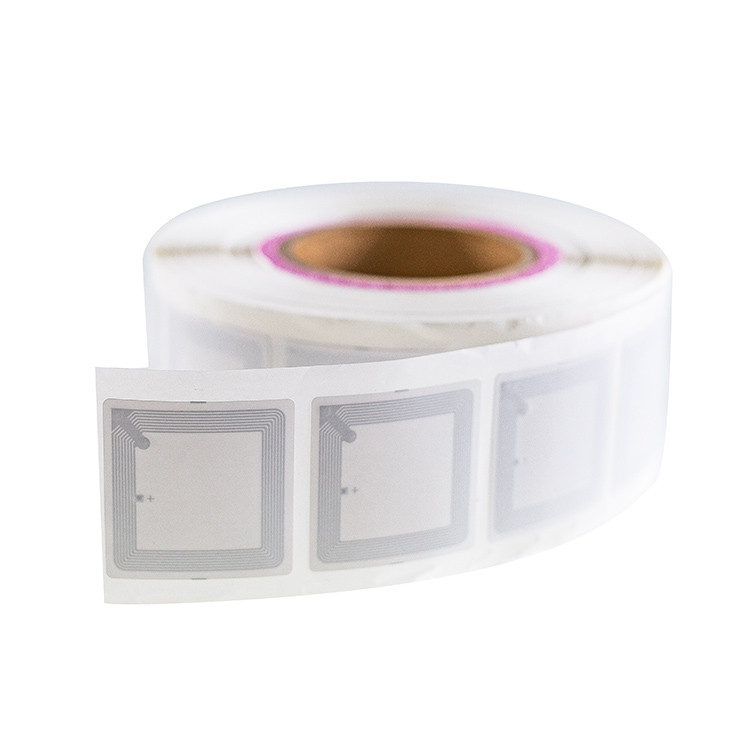
NFC Food Traceability Label — FSMA 204 Ready
→
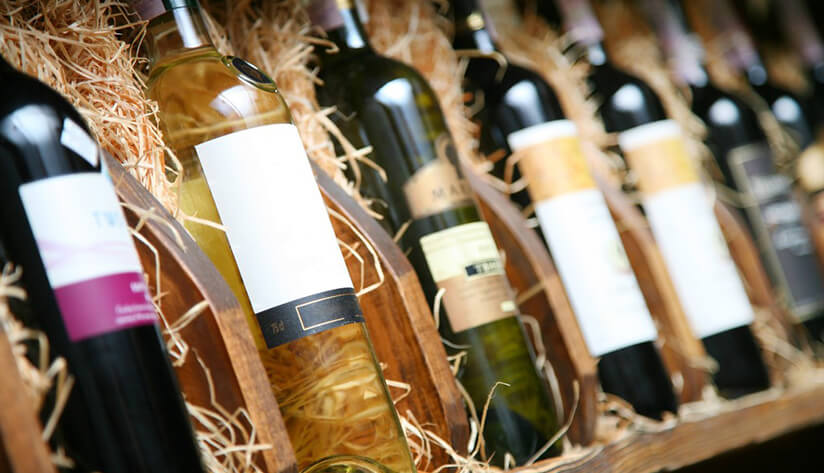
NFC Olive Oil Authentication Labels — PDO/PGI EVOO
→
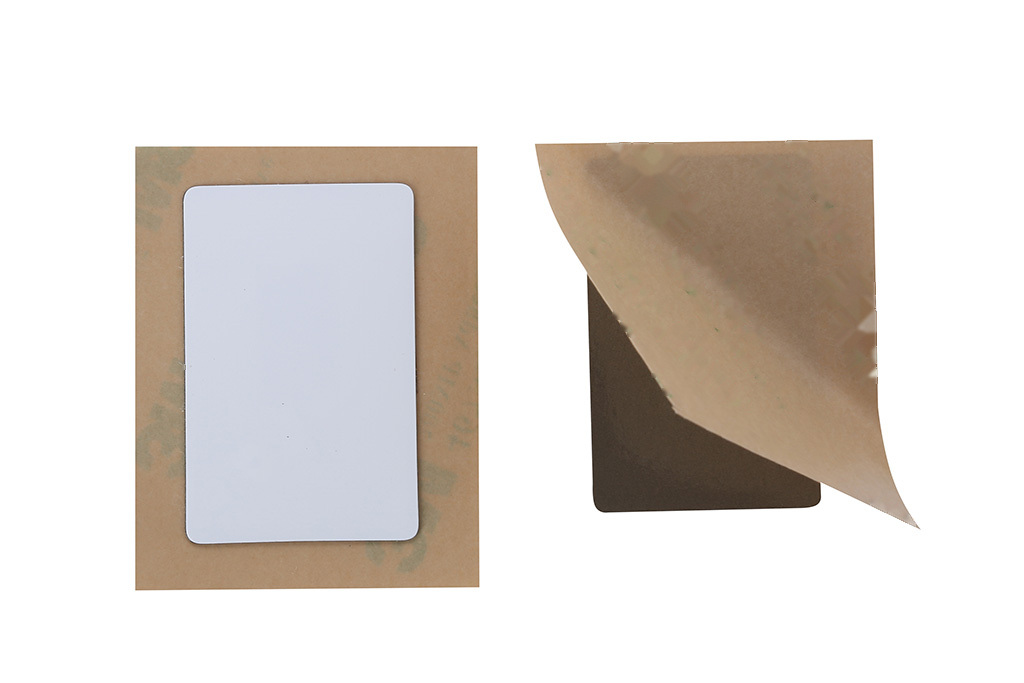
NFC Wine Bottle Tags — NTAG 424 DNA Capsule
→
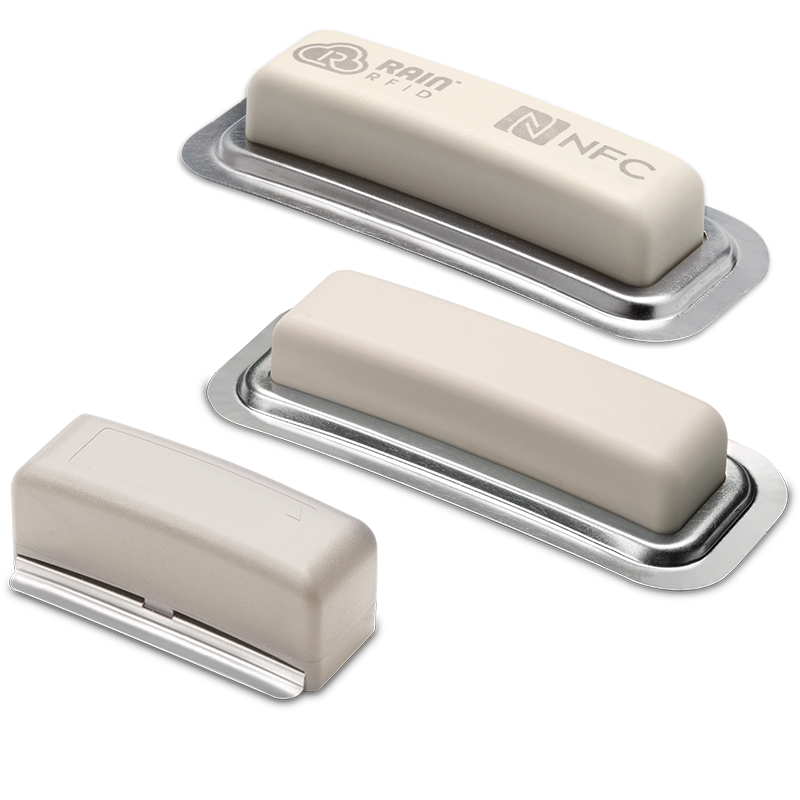
NFC Pharmaceutical Labels — DSCSA Anti-Counterfeit
→
RFID Keg Tags — Stop Keg Loss, Real-Time Fleet...
→At a glance
Use these short answers to decide whether this page matches the project before moving into the detail.
FSMA Section 204 — Critical Tracking Events for FTL items
21 CFR Part 1 Subpart S effective compliance 20 Jan 2026 (FDA Mar 2025 final rule extension). FTL items: leafy greens, herbs, sprouts, melons, peppers, tomatoes, tropica...
EU food-law framework
EU Reg 178/2002 Article 18 — 'one up, one down' traceability; 5-year retention. EU Reg 852/2004 + 853/2004 — hygiene + animal-origin product hygiene.
Next step
Ready to move forward? Start your inquiry to get specific answers for this project.
Request cold-chain & food traceability RFID samples- Cold-chain temperature ranges
-
- Ultra-cold (Pfizer / Moderna mRNA, gene therapy, biospecimen) — -60 to -90 °C.
- Frozen (most frozen food, plasma, some biologics) — -25 to -10 °C.
- Refrigerated (most vaccines, insulin, biologics, fresh meat) — 2-8 °C.
- Cool (some Rx + OTC, fresh produce) — 8-15 °C.
- Controlled room temperature — 15-25 °C / 30 °C peak.
- HACCP CCP threshold — typically -18 °C frozen / 0-4 °C chilled / 2-8 °C pharma cold-chain.
- Sensor UHF chip silicon
-
- NXP UCODE 9xe — sensor UHF + temperature; passive read-on-query + sensor read at every UHF inventory.
- EM Microelectronic EM4325 — battery-assisted passive (BAP); 5-year in-container event capture.
- AMS AS3955 — HF + temperature; for hospital pharmacy + dispensing-cabinet.
- Murata SL900A — UHF + battery + temperature data logger.
- Texas Instruments RFID — alternative BAP implementation.
- Each chip read by Impinj R700 / Zebra FX9600 + handheld at <2 s download per tag.
- Cold-chain logger pairing — pharma + biologics + vaccine
-
- Sensitech TempTale 4B + Ultra USB + SensiWatch cloud — pharma + biologics.
- ELPRO LIBERO Gx / Cx / Hx — real-time GSM + LoRa + Wi-Fi cloud-streaming.
- Berlinger Q-tag CLm doc + SmartView — vaccine cold-chain + WHO PQS-rated.
- Emerson GO Real-Time + GO Reusable + ProAct platform — multi-modal.
- DeltaTrak FlashLink + In-Transit Logger — USB + Bluetooth.
- Onset HOBO MX, Vaisala viewLinc, Dickson — zone monitoring for cold-storage room.
- Controlant — Pfizer mRNA vaccine global distribution proof-of-scale.
- Reefer-container telematics
-
- Carrier Container Refrigeration Naviator — reefer-container telematics.
- Thermo King ReeferConnect — reefer-trailer + container.
- Maersk Remote Container Management (RCM) — global ocean reefer.
- ORBCOMM — multi-modal reefer + dry-van.
- Carrier Lynx Fleet — fleet + cold-chain analytics.
- Frigo-Trans, Fleet Complete, Geotab, Samsara — fleet + reefer integration.
- API association: RFID label EPC ↔ logger serial at loading; cold-chain platform reconciles excursions to specific units.
- Cold-chain management platforms
-
- Sensitech SensiWatch — pharma + food cold-chain.
- Emerson ProAct — multi-site cold-chain analytics.
- ELPRO LIBERO cloud — real-time excursion alerting.
- Controlant — vaccine + pharma cold-chain at scale.
- Ambrosus + Carrier Lynx Fleet + Lineage Logistics IMS — DC + last-mile.
- TraceLink + FoodLogiQ + IBM Food Trust + ConnectingFoodIndustry — food traceability.
- Cold-DC WMS integration
-
- Manhattan Active WM (cold-chain module) — cloud-native; default for tier-1 retail + 3PL.
- Blue Yonder Luminate Logistics — multi-site warehousing.
- SAP Extended Warehouse Management (EWM) — SAP-stack standard.
- Oracle WMS Cloud — Oracle ERP environments.
- Körber K.Motion WMS — global mid-large 3PL.
- Lineage Logistics LMS — largest US cold-storage 3PL proprietary.
- Inbound dock portal → WMS putaway → cycle-count handheld → FEFO pick → outbound reefer + temperature log.
- GDST + seafood traceability
-
- GDST 1.1 (Global Dialogue on Seafood Traceability) — KDE specification.
- Major retailer adoption — Walmart, Tesco, Carrefour, Coles, Loblaws, Sainsbury's.
- First-receiver + processor + distributor CTEs encoded.
- RFID + GS1 EPCIS 2.0 — automated KDE capture vs paper / spreadsheet.
- Loss of shelf access at tier-1 retail for non-GDST-certified suppliers.
- Food-safe substrate compliance
-
- FDA 21 CFR 175.105 — adhesives for indirect food contact.
- EU Reg 10/2011 — plastic materials in food contact.
- USP <1079> — Good Storage and Distribution Practices for Drug Products.
- USP <797> + <800> — sterile compounding + hazardous drug handling.
- ICCBBA ISBT 128 — blood-bag + biospecimen labelling.
- AABB + AABB Standards — blood bank cold-chain.
- WHO PQS PQ-prequalification — vaccine cold-chain devices.
- Operational ROI
-
- Recall scope — entire production run → specific pallets; 5-10× cost reduction.
- Reefer excursion claims — USD 3.2M / year (un-logged) → USD 180K / year (logged + accepted).
- FSMA 204 audit — paper / spreadsheet → automated CTE capture; audit-finding risk eliminated.
- Cycle count — 6-8 h manual → <90 min handheld in -25 °C aisle.
- FEFO compliance — 8-12% missed-date discard → <2%; USD 1.5-3M / 100K-pallet DC.
- Vaccine waste — VFC programme disenrollment risk eliminated.
- What cold-chain RFID is NOT
-
- Not a standalone temperature sensor — pair with Sensitech / ELPRO / Berlinger / Emerson logger for active monitoring.
- Not a primary food-contact label — substrate is food-safe per FDA 21 CFR 175.105 + EU 10/2011 (indirect contact only).
- Not a substitute for HACCP — supplements with CCP evidence chain.
- Not standalone — full ROI requires WMS + cold-chain platform + reefer-telematics integration.
Why cold-chain RFID — FSMA 204, EUDR, vaccine cold-chain at scale
- FSMA 204 + EUDR + EU 178/2002 are the three regulatory waves; sensor RFID + EPCIS 2.0 is the architecture that satisfies all three.
- Pfizer / Moderna mRNA vaccine cold-chain at -70 °C set the global proof-of-scale; pattern applies to all biologics + ultra-cold.
- GDST 1.1 seafood + GFSI food-safety + retailer-led adoption (Walmart, Tesco, Carrefour, Coles, Loblaws) drive volume.
Paper / spreadsheet traceability vs RFID + EPCIS 2.0 + sensor-logger pairing
Paper / spreadsheet traceability + manual reefer log
- FSMA 204 CTE capture by paper / spreadsheet — audit-finding risk + thousands of manual events / day.
- Reefer-container excursion undetected for 6-12 hours; USD 40-120K product-loss claim.
- Recall scope = entire production run; 5-10× cost vs item-level.
- Vaccine cold-chain failure → CDC VFC programme disenrollment risk.
- EUDR due-diligence statement = gigabytes of PDF; manual provenance proof.
RFID + EPCIS 2.0 + sensor-logger pairing
- FSMA 204 CTEs auto-captured at every receiving + shipping + transformation event.
- Sensor UHF + reefer logger paired at loading; excursion auto-flagged on specific units in <30 s.
- Recall scope = exact pallets; 95% scope reduction + 5-10× lower recovery cost.
- Vaccine cold-chain documented unit-by-unit; CDC + WHO PQS audit-ready.
- EUDR due-diligence = structured EPCIS 2.0 event log + GS1 Digital Link URI per unit.
- EPCIS 2.0 (ISO/IEC 19987:2021) Commission + ObjectEvent + AggregationEvent = the standardised model.
- Sensor UHF (UCODE 9xe / EM4325 / AS3955) captures in-tag temperature; logger captures continuous time-series.
- TraceLink + FoodLogiQ + IBM Food Trust + ConnectingFoodIndustry consume the EPCIS stream natively.
FSMA 204 + EUDR + GS1 EPCIS 2.0 — the regulatory architecture this label is designed for
FDA FSMA Section 204 (21 CFR Part 1 Subpart S) requires Critical Tracking Events (Harvesting, Cooling, Initial Packing, First Land-Based Receiver, Shipping, Receiving, Transformation) and Key Data Elements (Traceability Lot Code, source / destination, date received, quantity, unit of measure, traceability product description) for items on the Food Traceability List (FTL): leafy greens, herbs, sprouts, melons, peppers, tomatoes, tropical fruits, fresh-cut produce, shell eggs, nut butters, fresh / frozen / smoked finfish + crustaceans + bivalves, ready-to-eat deli salads, soft cheeses. Compliance date is 20 Jan 2026 (FDA March 2025 final rule extension). On the EU side, Regulation 2023/1115 (EUDR) is in force 30 Dec 2025 and requires geo-located provenance proving no association with land deforested after 31 Dec 2020 for cocoa, coffee, cattle, palm, soy, rubber, timber and derived products imported into the EU. EU framework alongside: Reg 178/2002 Article 18 ('one up, one down', 5-year retention), Reg 852/2004 + 853/2004 (hygiene), Reg 2073/2005 (microbiological criteria), EU 1169/2011 (consumer information including frozen-food durability dates). The RFID + GS1 EPCIS 2.0 architecture satisfies all three regulatory regimes from a single physical tag — SGTIN-96 EPC + GS1 Digital Link URI + EPCIS event capture at every CTE. Sensor-enabled UHF (UCODE 9xe + EM4325 + AS3955) extends the architecture to active cold-chain monitoring with in-tag temperature logging at every read. Pfizer's mRNA vaccine global distribution programme used Controlant for proof-of-scale during COVID-19; the same architecture applies to all biologics + ultra-cold + frozen food + GDST 1.1 seafood + EUDR-scope commodities. (Sources: FDA, FSMA Section 204 Final Rule (21 CFR Part 1 Subpart S, fda.gov, 2024); EU Regulation 2023/1115 (Deforestation Regulation, eur-lex.europa.eu, 2023); GS1, EPCIS 2.0 + Core Business Vocabulary 2.0 (gs1.org, 2021); Codex Alimentarius CAC/RCP 1-1969 + USP <1079> + USP <797>.)
- GDST 1.1 seafood traceability — major-retailer-led adoption; loss of shelf access for non-certified suppliers.
- WHO PQS pre-qualification — vaccine cold-chain device qualification; CDC VFC programme parallel.
- IATA CEIV Pharma — air-cargo cold-chain certification; integrates RFID + sensor logger workflow.
- 20 Jan 2026
- 30 Dec 2025
Where cold-chain RFID earns its margin — the application inventory
- Frozen food + cold-DC — UCODE 9 + cryo-grade adhesive + UHF portal at receiving + WMS putaway.
- Reefer transit — sensor UHF + reefer-container telematics (Carrier / Thermo King / Maersk / ORBCOMM).
- Vaccine cold-chain — UHF medication vial label at -70 °C + Berlinger Q-tag / Controlant logger.
- Pharma cold-storage — USP <1079> + USP <797> + USP <800> + RFID-paired logger.
- GDST 1.1 seafood — first-receiver + processor + distributor CTEs auto-captured.
- EUDR-scope cocoa / coffee / cattle / palm / soy / rubber / timber — geo-located provenance + EPCIS 2.0.
- Hospital blood bank — ICCBBA ISBT 128 + UHF blood-bag label + AABB cold-chain.
- Aircraft / IATA CEIV Pharma — air-cargo pharma cold-chain + reefer-container ULD.
From HACCP 1969 to FSMA 204 + EUDR 2026 — milestones that shaped cold-chain RFID
- 1969
Codex Alimentarius CAC/RCP 1-1969 (HACCP General Principles) published; cold-chain temperature established as universal CCP.
- 1996
USDA FSIS 9 CFR Part 417 — HACCP mandatory for meat + poultry processing in the US, including frozen distribution.
- 2002
EU Reg (EC) 178/2002 — General Food Law + Article 18 'one up, one down' traceability; 5-year retention requirement.
- 2011
FDA FSMA signed; Section 204 calls for additional traceability records for high-risk foods.
- 2015
GS1 Tag Data Standard 1.9 + EPC SGTIN-96 stabilises; cold-chain logger vendors (Sensitech, ELPRO, Berlinger, Emerson) begin RFID-pair APIs.
- 2020
Pfizer / Moderna / AstraZeneca COVID-19 vaccine cold-chain at unprecedented scale; Controlant proof-of-scale; sensor UHF UCODE 9xe + EM4325 mainstream.
- 2023
EU Reg 2023/1115 (EUDR) published — deforestation-free regulation for cocoa, coffee, cattle, palm, soy, rubber, timber; in force Dec 2025.
- 2024
FDA FSMA 204 final rule + 20 Jan 2026 compliance date confirmed; RFID + GS1 EPCIS 2.0 + sensor logger pairing becomes the dominant architecture.
- 2026 — Today
From buyer conversations across cold-storage-3pl, retail-grocery-frozen-aisle, foodservice-distributor-frozen, frozen-seafood-processor, vaccine-cold-chain-mrna and eu-eudr-cocoa-coffee programmes.
Useful next pages
Use these linked product, guide and comparison pages to keep the next click specific and practical.
Cold-chain & food RFID products
Catalog SKUs most commonly specified for cold-chain and food traceability.
Chip-level technical reference
Deep-dive specifications for cold-chain RFID buyers.
Adjacent industries
Cross-vertical reading for cold-chain procurement.
FAQ
Is RFID required by FSMA 204?
FSMA 204 requires Critical Tracking Event (CTE) data capture for foods on the Food Traceability List, but does not mandate a specific data-carrier technology — barcodes, RFID, manual entry and EDI are all permissible. RFID is the recommended carrier for high-volume processing lines because it captures CTEs automatically without slowing throughput; large processors are deploying RFID + GS1 EPCIS 2.0 as the de-facto FSMA 204 architecture. The 20 Jan 2026 compliance date applies to FTL items: leafy greens, herbs, sprouts, melons, peppers, tomatoes, tropical fruits, fresh-cut produce, shell eggs, nut butters, fresh / frozen / smoked finfish + crustaceans + bivalves, ready-to-eat deli salads, soft cheeses. Send us your FTL item list + processing-facility count and we route the matching SGTIN-96 + Lot + Expiry pre-encoding spec for your TraceLink, FoodLogiQ, ConnectingFoodIndustry or IBM Food Trust EPCIS pipeline.
What is a sensor-enabled UHF chip and when do I need one?
Sensor-enabled UHF chips (NXP UCODE 9xe, EM Microelectronic EM4325, AMS AS3955, Murata SL900A) include temperature sensing on the chip die. UCODE 9xe is fully passive and captures the temperature at the moment of read; EM4325 is battery-assisted passive (BAP) and captures temperature events autonomously for up to 5 years between reads; AS3955 is HF + temperature for hospital pharmacy + dispensing-cabinet applications; SL900A combines UHF + battery + temperature data logger. Choose sensor-enabled chips when continuous in-container temperature logging is required for audit (reefer, vaccine, blood bank, biospecimen). Passive read-only chips cannot capture mid-shipment excursions. The dominant 2024-2026 architecture pairs the RFID-encoded EPC with a separate logger device (Sensitech TempTale + SensiWatch, ELPRO LIBERO, Berlinger Q-tag + SmartView, Emerson GO + ProAct, Controlant) at loading time; the cold-chain platform reconciles excursions to specific labelled units on a per-CTE basis.
Can RFID labels survive frozen-tunnel application?
Yes — but only with the right adhesive and substrate. Proud Tek frozen-food labels use cryogenic-rated permanent acrylic adhesive (Tg ≤-50 °C, cross-linked promoter, peel ≥18 N/25 mm at -25 °C) that bonds at -30 °C and survives the deep-freeze tunnel, frozen storage and the eventual thaw without delamination. Tested per ASTM D3330 + ASTM D903 at -40 °C with 200+ freeze-thaw cycles. Standard pressure-sensitive labels fail at the freezer-tunnel application step; only specifically cryogenic-rated formulations work. Moisture-barrier PET laminate over the inlay prevents condensation-driven delamination at the freezer-aisle dewing band; in 30+ day continuous -40 °C tests, labels retain ≥90% of room-temperature read range. Reader hardware in IP-65 enclosures (Impinj zWall, Zebra ZR-class) extends operating envelope to blast-freezer (-40 °C).
Does Proud Tek encode tags to GS1 EPCIS / GDST format?
Yes. Proud Tek pre-encodes EPC tag memory to GS1 SGTIN-96 + optional Lot + Expiry per programme spec, ready to drop into TraceLink, FoodLogiQ, ConnectingFoodIndustry, IBM Food Trust or any GS1 EPCIS 2.0-compliant traceability platform. For GDST 1.1 seafood traceability, we provide the GDST KDE (Key Data Element) encoding pattern as part of the encoding spec — Walmart, Tesco, Carrefour, Coles, Loblaws and Sainsbury's all reference GDST 1.1 in their seafood-supplier mandates. For EUDR (Reg 2023/1115) cocoa / coffee / cattle / palm / soy / rubber / timber programmes, we encode geo-located provenance via GS1 Digital Link URI ('https://producer.com/01/<gtin>/21/<serial>') resolvable to the full due-diligence statement. Per-shipment CSV manifest includes the EPC ↔ GTIN ↔ lot ↔ expiry ↔ unit ID mapping for downstream label-print correlation and audit traceability.
What about vaccine cold chain at -70 °C (mRNA vaccines)?
Yes. Proud Tek supplies UHF medication vial labels rated for -70 °C ultra-cold-chain (mRNA vaccine + cryogenic biospecimen handling) and -20 °C standard cold-chain (most other vaccines + biologics). The cryo-grade acrylic adhesive remains bonded through the entire cold-chain transit; the chip operates correctly through the -90 °C to +85 °C silicon operating envelope of UCODE 9xe + EM4325. This supports CDC Vaccines for Children (VFC) programme + WHO PQS prequalified cold-chain monitoring deployments. The dominant architecture pairs the RFID-encoded vial with a logger device — Berlinger Q-tag CLm doc + SmartView is WHO PQS-rated and the dominant choice for vaccine cold-chain; Sensitech TempTale 4B + Ultra USB + SensiWatch cloud is the other major option. Pfizer's COVID-19 mRNA vaccine global distribution used Controlant for proof-of-scale at -70 °C across 7+ continents in 2020-2022.
Sources & references
Primary standards, OEM datasheets and regulatory documents cited by this article. All URLs were verified on the access date shown below.
- FDA FSMA Section 204 — 21 CFR Part 1 Subpart S, Final Rule on Requirements for Additional Traceability Records
Federal Register Vol 88 No 220 — Critical Tracking Events + Key Data Elements + Food Traceability List items; compliance date 20 Jan 2026.
- EU Regulation 2023/1115 — Deforestation-Free Regulation (EUDR)
EU deforestation-free regulation mandating geo-located provenance and due-diligence traceability for cattle, cocoa, coffee, palm oil, rubber, soy and timber; in force 30 Dec 2025.
- EU Regulation (EC) 178/2002 — General Food Law + Article 18 traceability
EU baseline 'one up, one down' food traceability with 5-year retention; framework that the RFID label's EPC + lot encoding satisfies.
- ISO 22005:2007 — Traceability in the Feed and Food Chain
International traceability standard used by processors and retailers to structure lot-genealogy and CTE data captured via RFID + GS1 EPCIS.
- GS1 — EPCIS 2.0 + Core Business Vocabulary 2.0 (ISO/IEC 19987:2021)
Standardised event-capture model — Commission, ObjectEvent, AggregationEvent — that TraceLink, FoodLogiQ, IBM Food Trust + ConnectingFoodIndustry consume natively.
- GS1 US — Foundation for Fresh Food Traceability (FSMA 204 Implementation Guide)
Industry implementation guidance for GS1 identifiers, AIs and EPC encoding used in cold-chain and food-traceability RFID.
- GDST 1.1 — Global Dialogue on Seafood Traceability Standard
Seafood-traceability KDE specification adopted by Walmart, Tesco, Carrefour, Coles, Loblaws, Sainsbury's; tier-1 retailer mandate driving RFID adoption.
- Codex Alimentarius — General Principles of Food Hygiene (CXC 1-1969 Rev 4-2003)
International food-hygiene baseline establishing cold-chain temperature as universal Critical Control Point; basis for FSMA, USDA FSIS, EU Regs (EC) 852/2004 + 853/2004.
- NXP Semiconductors — UCODE 9xe Sensor UHF RFID with Temperature Logging Datasheet
Temperature-logging UHF Gen2 chip referenced for reefer-trailer + pharma cold-chain + vaccine + frozen-food battery-assisted sensor tags.
- EM Microelectronic — EM4325 BAP UHF RFID with Sensor Logging Datasheet
Battery-assisted passive UHF chip with on-board thermistor + 5-year data logger; pharmaceutical cold-chain + reefer-container + vaccine cold-chain.
Proud Tek is a Shenzhen-based RFID & NFC manufacturer supplying hotel chains, transit operators, event venues and retail brands worldwide. Every order includes free samples, RF testing and dedicated project support.
Get a Quick Quote
Tell us about your project and we'll respond within one business day. Fields marked (asterisk) are required.