
Aerospace & Aviation MRO
RFID for Aerospace & MRO
ATA Spec 2000

Quick answer
Airframe + engine + rotable + expendable aerospace parts are serialised with UHF + NFC RFID tags that survive 30-year service life, comply with ATA Spec 2000 Ch.9-5 Automated Identification + Data Capture, FAA Advisory Circular 20-162A (Airworthiness Approval for AID), SAE AS5678 + AS6104 passive RFID + installation guidance, EASA ETSO-2C513, RTCA DO-160G environmental qualification + MIL-STD-130N IUID for defense items. Proud Tek supplies aircraft-grade on-metal UHF tags (Murata MAGICSTRAP / NXP UCODE 9 / Impinj M730 on ceramic + PPS substrate -55 to +125 °C), NFC NTAG 224 DNA StatusDetect + NTAG216 + NTAG 424 DNA lifecycle-data tags + cryptographic anti-counterfeit, MIL-STD-130N + IUID 2D + RFID dual-marking nameplates, and tool-crib UHF tags for Boeing 787 + Airbus A350/A320neo + Embraer programmes plus Lufthansa Technik / AAR / ST Engineering / AFI KLM E&M / Delta TechOps MRO operations.
- ATA Spec 2000 Ch.9-5 + FAA AC 20-162A + SAE AS5678 + EASA ETSO-2C513 + RTCA DO-160G — full qualification package supplied with first-article inspection.
- 30-year airframe service life — ceramic + PPS on-metal UHF tags rated -55 to +125 °C with vibration + temperature-cycle + humidity + EMI per DO-160G section 20.
- MIL-STD-130N IUID + ATA Spec 2000 dual-marked nameplate (2D DataMatrix + UHF passive RFID) — single part mark satisfies both visible IUID + automated AIP.
Featured Aerospace & Aviation MRO Products
Explore our complete range of RFID solutions for aerospace & aviation mro.
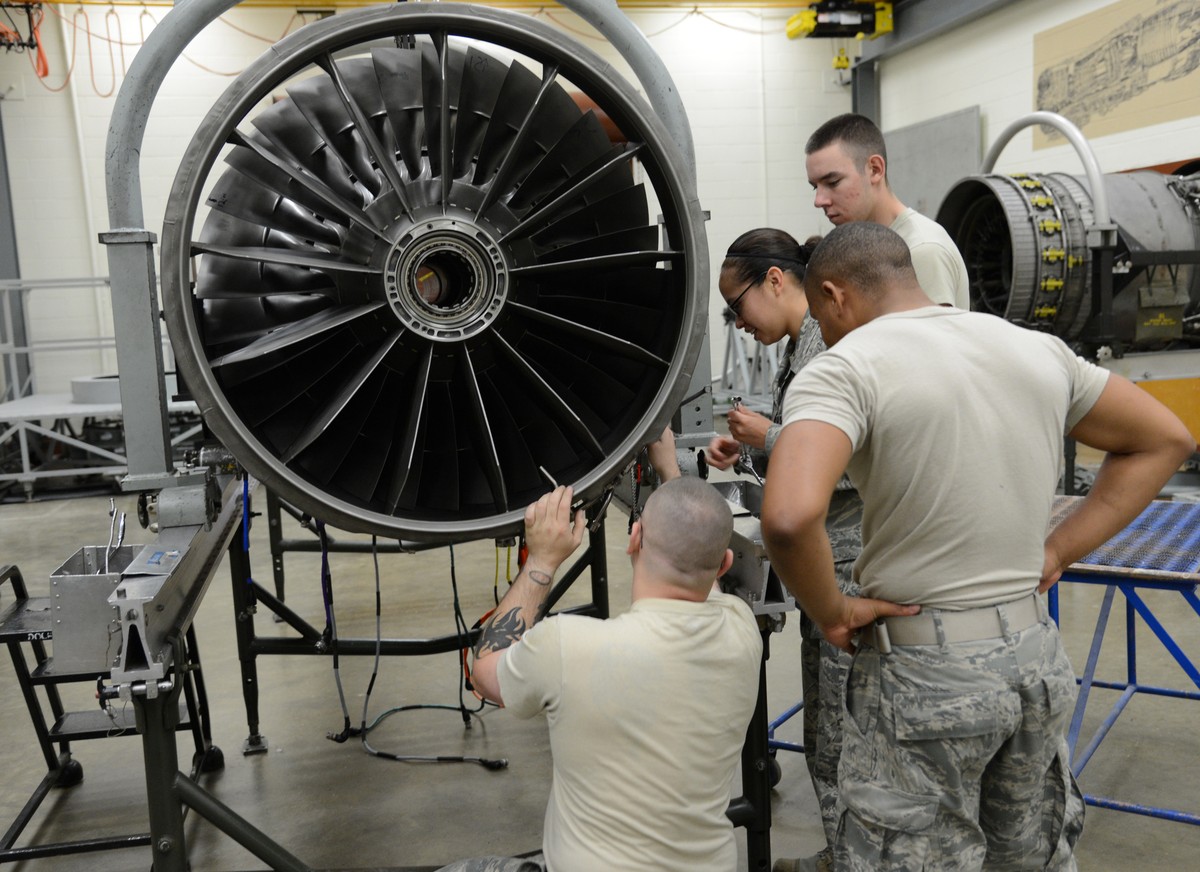
RFID Aircraft Part Tags — MRO Lifecycle Traceab...
→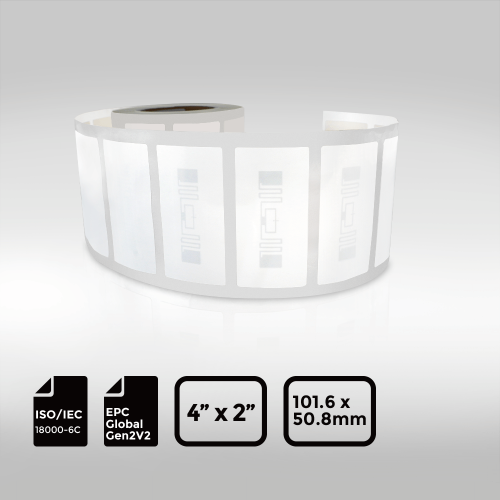
RFID Airline Baggage Tag — IATA Resolution 753
→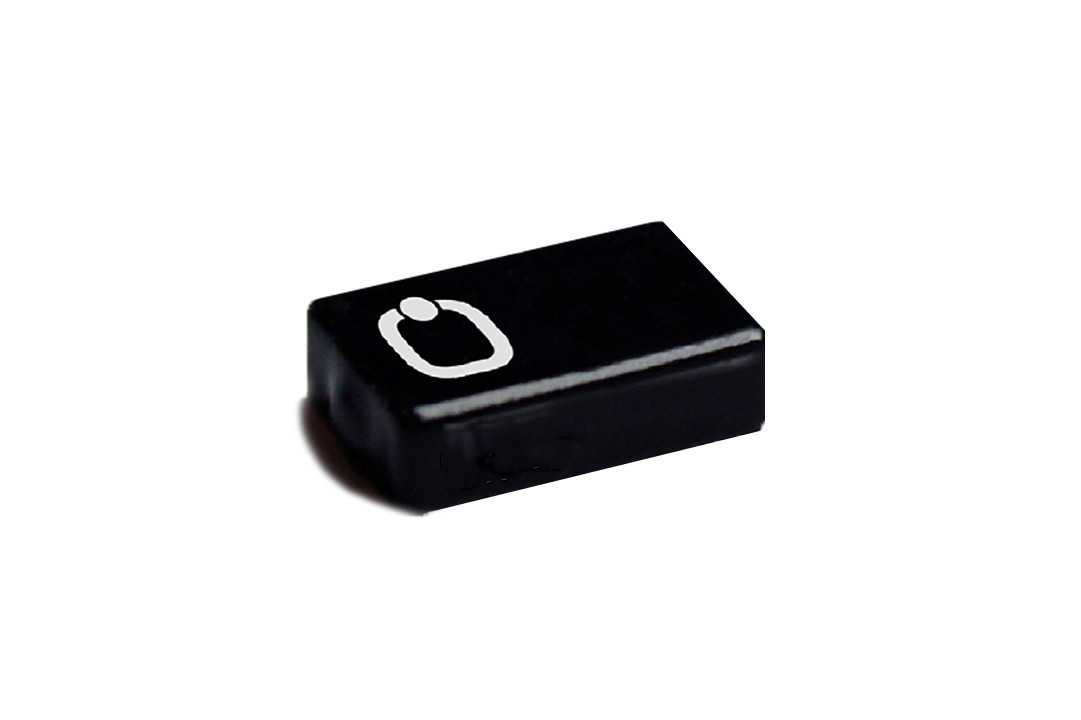
RFID High-Temperature Ceramic Tags — Ovens to 8...
→ High-Temperature RFID Tag 200 °C — Industrial UHF
→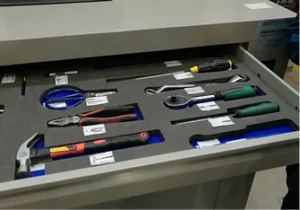
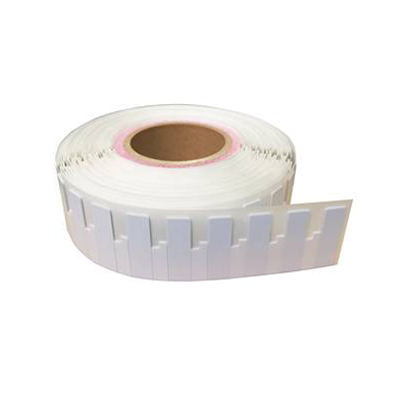
RFID Tool Tracking Tag — Calibration & Metrolog...
→
RFID Anti-Metal Tags — UHF Tracking on Steel As...
→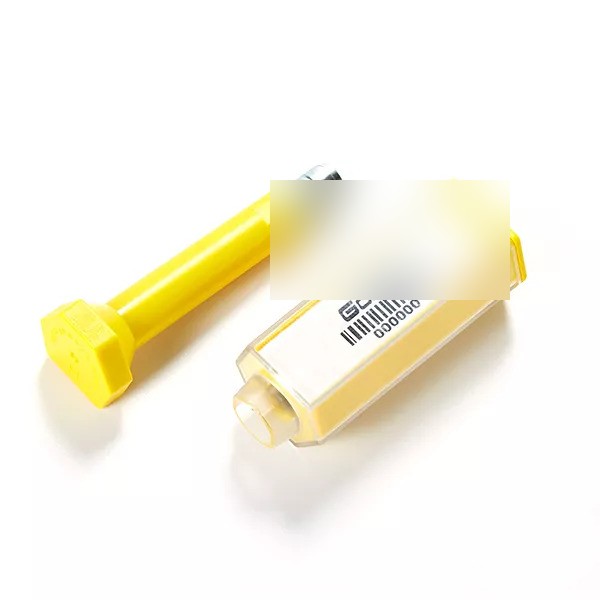
RFID Bolt Seals — High-Security Container Seals
→At a glance
Use these short answers to decide whether this page matches the project before moving into the detail.
ATA Spec 2000 Chapter 9-5 — the data layout every airline reads
OEM Part Number + Serial Number + CAGE Code in defined EPC memory layout. Birth-Record at OEM line + Removal-Record at MRO shop + Reinstall-Record on aircraft.
FAA + EASA + SAE qualification framework
FAA Advisory Circular 20-162A — accepted means of automated identification of parts (AIP). SAE AS5678 + AS5678A — Passive RFID Tags Intended for Aircraft Use.
Next step
Ready to move forward? Start your inquiry to get specific answers for this project.
Request aerospace RFID samples & qualification package- MIL-STD-130N + IUID for defense items
-
- MIL-STD-130N — machine-readable Unique Identifier required on items ≥ USD 5,000.
- IUID Registry — DLA Wide Area Workflow (WAWF) operational since 2004.
- 2D DataMatrix laser mark + UHF RFID dual-marking on the same nameplate.
- DoD-controlled aircraft (F-35, F-22, F-15, KC-46, P-8, V-22, MQ-9, Apache, Black Hawk).
- Air National Guard + USAF + USN + USMC + USCG sustainment programmes.
- Chip silicon for aerospace
-
- Murata MAGICSTRAP — small-form ceramic; the aerospace-grade default for on-metal LRU.
- NXP UCODE 9 — best-in-class -23.5 dBm sensitivity for hangar reads.
- Impinj M730 + Monza R6-P — proven 5+ year on-metal aerospace deployment.
- Alien Higgs-9 — alternate cure-survivable for engine + hot-section.
- NTAG215 + NTAG216 — NFC HF for MRO lifecycle-data on-tag (504 + 888 bytes user memory).
- NTAG 224 DNA StatusDetect — 208 bytes user memory + AES-128 + dual-mode tamper detection (galvanic / capacitive); Common Criteria EAL3+.
- NTAG 424 DNA — AES-128 SUN cryptographic anti-counterfeit; receiving-MRO tap verification.
- Substrate + form factor
-
- Ceramic — best EMI immunity + 30-year metal-bond; default for LRU + airframe.
- PPS (polyphenylene sulfide) — alternate plastic substrate, lower-cost.
- Polyimide — high-temp NFC for engine + hot-section.
- Anti-metal label + ferrite spacer — for retrofit on already-installed metal.
- Dual-mark nameplate — laser-engraved 2D + bonded RFID on a single 30×80 mm steel tag.
- MRO operator ecosystem
-
- Lufthansa Technik — global heavy MRO + engine + component shop.
- AAR Corp — heavy-check + component + parts pool.
- ST Engineering Aerospace — Asia-Pacific heavy MRO.
- AFI KLM E&M (Air France-KLM) — engine + component + cabin.
- Delta TechOps — Delta Air Lines + 100+ third-party customers.
- GE Aerospace + Pratt & Whitney + Rolls-Royce — engine OEM-aligned MRO.
- Pemco World Air Services + Haeco Group + IAI Bedek — narrow-body + cargo conversion.
- MRO software + ERP platforms
-
- TRAX Maintenix (now Trax Group) — MRO + airline maintenance system.
- AMOS (Swiss-AS / Lufthansa Industry Solutions) — Airbus + Boeing operators.
- IFS Cloud + IFS Maintenix — major-airline MRO platform.
- SAP Aerospace + Defense + ERP for OEM line.
- Oracle Cloud SCM + Oracle Aviation Industry Solutions.
- Boeing GoldCare + Airbus Skywise — OEM data platforms.
- Sita Maintenance Solutions + Lufthansa Industry Solutions Aircraft.io.
- Boeing 787 + Airbus A350 RFID programme detail
-
- Boeing 787 Dreamliner — RFID-tagged Line Replaceable Units (LRUs) since 2011.
- Boeing 777X + 737 MAX — extended RFID to Line Replaceable Modules (LRMs).
- Airbus A350 XWB — SESAME / ADSP supplier data-format programme.
- Airbus A320neo — RFID part-marking on engine + airframe components.
- Embraer E2 + KC-390 — second-tier OEM RFID programmes.
- Bombardier + Gulfstream + Cessna + Beechcraft — third-tier RFID programmes.
- Tool control + FOD prevention
-
- FAA Part 145 + EASA Part-145 — repair station tool accountability requirement.
- Foreign Object Debris (FOD) from lost tools — reportable safety incident.
- Shadow board + tool crib UHF reader — inventories tools continuously.
- Mechanic badge + tool EPC association — sign-off blocked until all tools returned.
- Military tech-order tool accountability — same architecture, MIL-STD-7179.
- Lifecycle-data on NFC tag
-
- NTAG215 + NTAG216 — 504 + 888 bytes user memory.
- On-tag: removal date, reinstall date, shop visit, AD compliance status.
- Mechanic taps phone or NFC reader — verify part life without backend lookup.
- Network-disconnected hangar + flight-line operation supported.
- Backend sync via REST + EPCIS 2.0 when network available.
- Anti-counterfeit / Suspected Unapproved Parts (SUPs)
-
- FAA + EASA both document ongoing counterfeit parts ingress in aftermarket.
- NTAG 424 DNA SUN — cryptographic per-tap authentication; server-side replay-protection.
- Receiving MRO shop tap verifies tag silicon authenticity + tap freshness.
- Server-side ban-list — brand revokes tag if reported counterfeit / stolen.
- Pattern matches LVMH luxury anti-counterfeit applied to aerospace SUPs.
- What aerospace RFID is NOT
-
- Not a substitute for the visible 2D DataMatrix — coexists for visual + automated identification.
- Not standalone on-aircraft GPS / sensor — separate avionics for active monitoring.
- Not a flight-critical control system — RFID is data-carrier only.
- Not standalone — full ROI requires MRO software (TRAX / AMOS / IFS) + EPCIS integration.
Why aerospace RFID — the 30-year service life + 6-12 month qualification
- ATA Spec 2000 Ch.9-5 + FAA AC 20-162A + SAE AS5678/AS6104 + EASA ETSO-2C513 + RTCA DO-160G = the qualification stack.
- Boeing 787 + Airbus A350 / A320neo + Embraer E2 set the OEM pattern; defense (F-35, KC-46, P-8) adds MIL-STD-130N IUID.
- MRO platforms (TRAX, AMOS, IFS Cloud, SAP A&D, Oracle SCM, Boeing GoldCare, Airbus Skywise) consume the EPC stream natively.
Paper-records MRO vs RFID + EPCIS lifecycle visibility
Paper records + handwritten serial lookup
- C-check 800-2,000 part removals; 3-8 min lookup / part; 12-18% records-error overrun.
- Rotable pool 10,000-50,000 LRUs; manual serial tracking is the #1 FAA Part 145 audit finding.
- AD compliance verification 40-60 min / part on used parts arriving at shop.
- Counterfeit Suspected Unapproved Parts (SUPs) detected only in spot-checks.
- Tool control by visual sign-out — FOD-from-lost-tools reportable safety incident.
ATA Spec 2000 + ATA Ch.9-5 RFID + EPCIS
- Per-part lookup <90 s with shop-floor RFID + ATA Spec 2000 birth-record query.
- Rotable pool tracked unit-level via EPCIS 2.0 events; FAA Part 145 audit-clean.
- AD compliance status carried on NFC NTAG 224 DNA user memory (208 bytes, tamper-evident); mechanic taps phone.
- NTAG 424 DNA SUN cryptographic verification at receiving inspection.
- Tool crib UHF reader — sign-off blocked until all tools returned; FOD eliminated.
- ATA Ch.9-5 birth + removal + reinstall records form a complete part lifecycle on a single physical tag.
- MIL-STD-130N IUID dual-marking (2D + RFID) satisfies defense + civil in single nameplate.
- EPCIS 2.0 event stream feeds TRAX, AMOS, IFS Cloud, SAP A&D, Oracle Aviation.
ATA Spec 2000 Ch.9-5 + FAA AC 20-162A + SAE AS5678 — the qualification architecture
- Aerospace tag qualification 6-12 months — first-article inspection + OEM acceptance + DO-160G test cycle.
- Boeing GoldCare + Airbus Skywise + Embraer programmes consume EPCIS 2.0 events from RFID-tagged parts.
- Defense + civil dual-mark — single nameplate satisfies MIL-STD-130N IUID + FAA AC 20-162A AIP.
Where aerospace RFID earns its margin — the application inventory
- Line Replaceable Units (LRU) — avionics housing + flight-control computer; on-metal UHF + ATA Spec 2000.
- Line Replaceable Modules (LRM) — Boeing 777X + 737 MAX modular boxes; LRM-level RFID.
- Engine + hot-section — high-temp ceramic UHF + 200 °C tag for engine OEM (GE / P&W / RR).
- Wheel + landing gear — ATA Ch.32 + on-metal UHF; aircraft wheel shop reuse cycle.
- Cabin interior — seat + galley + lavatory; lifecycle NFC for AD compliance + retrofit.
- Tool crib + flight-line — UHF tool tags + shadow board reader; FAA Part 145 + military tech-order.
- Rotable pool inventory — handheld UHF cycle-count of 10,000-50,000 LRU pool.
- MRO shop receiving — NTAG 424 DNA SUN tap for SUP / counterfeit verification.
From ATA Spec 2000 launch to FAA AC 20-162A + Boeing 787 — milestones that shaped aerospace RFID
- 1980
ATA Spec 2000 first published — Air Transport Association data + commerce specs; foundation for automated identification of aerospace parts.
- 2002
Boeing 787 Dreamliner programme launches with planned RFID-tagged LRU + lifecycle-data architecture.
- 2004
DLA Wide Area Workflow (WAWF) operational — IUID Registry for DoD-controlled items per MIL-STD-130N.
- 2009
FAA Advisory Circular 20-162 published — first FAA accepted means of automated identification of parts.
- 2011
Boeing 787 EIS + RFID-tagged LRU at scale; Airbus A350 XWB SESAME / ADSP programme launches in parallel.
- 2014
FAA AC 20-162A revision; SAE AS5678A + AS6104 update; EASA ETSO-2C513 active.
- 2018
NXP UCODE 9 + NTAG 424 DNA — better sensitivity + cryptographic anti-counterfeit move into aerospace SUP defence.
- 2024
Boeing 777X + 737 MAX RFID extension to Line Replaceable Modules; Airbus A320neo full-fleet RFID; defense F-35 + KC-46 + P-8 IUID + RFID dual-marking standardised.
- 2026 — Today
From buyer conversations across tier-1-airline-mro-trax-amos, engine-shop-rotable-pool, defense-iuid-mil-std-130n, business-aviation-life-cycle-ntag, mro-tool-control-faa-part145 and counterfeit-sup-defence-ntag424 programmes.
Useful next pages
Use these linked product, guide and comparison pages to keep the next click specific and practical.
Aerospace RFID products
Catalog SKUs most commonly specified for aerospace and MRO.
Chip-level technical reference
Deep-dive specifications relevant to aerospace deployments.
Adjacent industries
Related verticals for aerospace procurement.
FAQ
Is RFID required on aircraft parts?
Not universally required, but widely adopted. The FAA's Advisory Circular 20-162A describes an accepted means of automated identification of parts (AIP) using passive UHF RFID, and ATA Spec 2000 Chapter 9-5 codifies the EPC data layout. Boeing 787 (since 2011), Airbus A350 (SESAME / ADSP programme), Airbus A320neo, Embraer E2 + KC-390, Bombardier, Gulfstream, Cessna and Beechcraft now require RFID on designated part classes (LRUs, rotables, life-limited parts). Defense programmes add MIL-STD-130N IUID requirements on top — F-35, F-22, F-15, KC-46, P-8, V-22, MQ-9, Apache, Black Hawk all require dual-marked 2D + RFID nameplates on items ≥ USD 5,000. EASA ETSO-2C513 is the European parallel.
What chip families does Proud Tek supply for aerospace RFID?
UHF: Murata MAGICSTRAP (small-form ceramic, the aerospace-grade default for on-metal LRU), NXP UCODE 9 (best-in-class -23.5 dBm sensitivity), Impinj M730 + Monza R6-P (proven 5+ year on-metal aerospace deployment), Alien Higgs-9 (alternate cure-survivable for engine + hot-section). Mounted on ceramic or PPS substrate for 30-year airframe life. NFC: NTAG215 / NTAG216 (504 + 888 bytes basic user memory) for on-tag MRO lifecycle data; NTAG 224 DNA StatusDetect (208 bytes + AES-128 + dual-mode tamper detection, EAL3+) for tamper-evident AD compliance records; NTAG 424 DNA for AES-128 SUN cryptographic authentication of Suspected Unapproved Parts (SUPs) at receiving MRO shop. All tags qualified to RTCA DO-160G environmental requirements; full qualification documentation package supplied with first-article inspection.
Can an aerospace RFID tag survive DO-160G environmental testing?
Yes, when specified correctly. Proud Tek aerospace tags are qualified to RTCA DO-160G temperature (Section 4: -55 to +125 °C), humidity (Section 6: 95% RH at 65 °C), altitude (Section 4.6: -15,000 to 70,000 ft), vibration (Section 8: random + sinusoidal), shock (Section 7: operational + crash), explosive atmosphere (Section 9), waterproofness (Section 10), fluids susceptibility (Section 11), magnetic effect (Section 15), radio frequency susceptibility (Section 20: 100 kHz to 18 GHz at 200 V/m radiated + conducted), lightning induced transient susceptibility (Section 22), icing (Section 24), electrostatic discharge (Section 25), and fire / flammability (Section 26). Qualification typically takes 6-12 months including OEM acceptance + first-article inspection; we provide the full documentation package — substrate datasheet, chip datasheet, encoded-data layout spec, environmental test reports, OEM acceptance letter — at first-article.
How does RFID work for MRO tool control?
Every tool is tagged with a UHF hard tag (Impinj M730 or equivalent). The tool cabinet or shadow board has a fixed UHF reader (Impinj R700 or Zebra FX9600) that inventories the tools continuously. When a mechanic takes a tool, the reader logs it against the mechanic's badge ID; when the tool returns, the board confirms return. Before a mechanic can sign off their shift or an aircraft can release to service, every tool must be accounted for — eliminating Foreign Object Debris (FOD) from lost tools and satisfying FAA Part 145 / EASA Part-145 / military MIL-STD-7179 tool-accountability requirements. A commercial MRO chain with 6 heavy-check bases rolled out RFID tool control across 1,200 tool cabinets and drove its reportable FOD-from-lost-tools rate to zero across 36 months of flight-line operation.
What about on-metal UHF tags for Line-Replaceable Units (LRUs)?
LRU housings are metal and require on-metal UHF tags, not paper-substrate labels. Proud Tek supplies ceramic and PPS-substrate UHF tags (Murata MAGICSTRAP / NXP UCODE 9 / Impinj M730 / Monza R6-P) with read range 1.5-3 m on metal, ATA-compliant EPC encoding, and a temperature / vibration / humidity profile that matches the LRU's service environment (avionics bay, wheel well, engine nacelle, etc.). For Line Replaceable Modules (LRM) on Boeing 777X + 737 MAX, the same chip silicon ships in a smaller form factor matched to the LRM module geometry. For retrofit tagging of already-installed LRE (Line Replaceable Equipment), an anti-metal UHF label with ferrite spacer adheres to the metal surface without machining.
Sources & references
Primary standards, OEM datasheets and regulatory documents cited by this article. All URLs were verified on the access date shown below.
- ATA Spec 2000 Chapter 9-5 — Automated Identification and Data Capture (AIDC)
Normative aerospace industry spec for UHF / HF RFID part marking, EPC data structure and read / write field on airline parts; the spec Boeing + Airbus + Embraer + airline MROs all reference.
- FAA Advisory Circular 20-162A — Airworthiness Approval for Automated Identification Devices
FAA accepted means of automated identification of parts on civil aircraft, including passive tag mounting, flammability and EMI constraints.
- SAE AS5678A — Passive RFID Tags Intended for Aircraft Use
Aerospace industry standard defining passive RFID tag performance, durability and environmental qualification on aircraft.
- SAE AS6104 — Installation of Passive RFID Tags on Aircraft
Installation, bonding and EMI guidance for passive RFID on airframes, engine cowlings and LRU housings.
- RTCA DO-160G — Environmental Conditions and Test Procedures for Airborne Equipment
Airborne environmental qualification standard (temperature, humidity, vibration, EMI per Section 20) that aerospace RFID tags + readers must meet for OEM acceptance.
- FAA AC 20-162A — Airborne Component RFID
Passive UHF RFID guidance for airborne parts; pairs with ATA Spec 2000 Ch. 9-5.
- SAE AS5678 — Passive RFID Tags Intended for Aircraft Use
Aerospace-qualified passive UHF tag specification.
- EASA ETSO-C238 — Aircraft Part RFID
European harmonized standard for RFID identification of aircraft parts.
- ATA Spec 2000 — E-Business Specification (Chapter 9-5 RFID)
Part-level passive UHF RFID specification for aircraft.
- IATA Resolution 753 — Baggage Tracking
Point-to-point baggage tracking obligation for IATA member airlines.
Proud Tek is a Shenzhen-based RFID & NFC manufacturer supplying hotel chains, transit operators, event venues and retail brands worldwide. Every order includes free samples, RF testing and dedicated project support.
Get a Quick Quote
Tell us about your project and we'll respond within one business day. Fields marked (asterisk) are required.