
Assa Abloy-Compatible Hotel Key Cards
Assa Abloy / VingCard-Compatible Hotel Key Cards

Quick answer
Proud Tek manufactures RFID hotel key cards that work on Assa Abloy Hospitality lock platforms — VingCard Classic, Essence, Allure, Signature RFID and the current Vostio cloud platform. Using the MIFARE Classic 1K, MIFARE Classic 4K and MIFARE DESFire EV2/EV3 chips those locks expect at the ISO/IEC 14443-A air interface. Hotels that source cards directly from a factory typically run 30-50% below OEM replacement pricing without touching lock firmware or PMS integrations (Opera, Mews, Cloudbeds), because the card is commodity silicon + standards-based encoding, not a proprietary carrier. For operators evaluating a second card supplier and the integrators that vet them, this is the chip-and-protocol matrix.
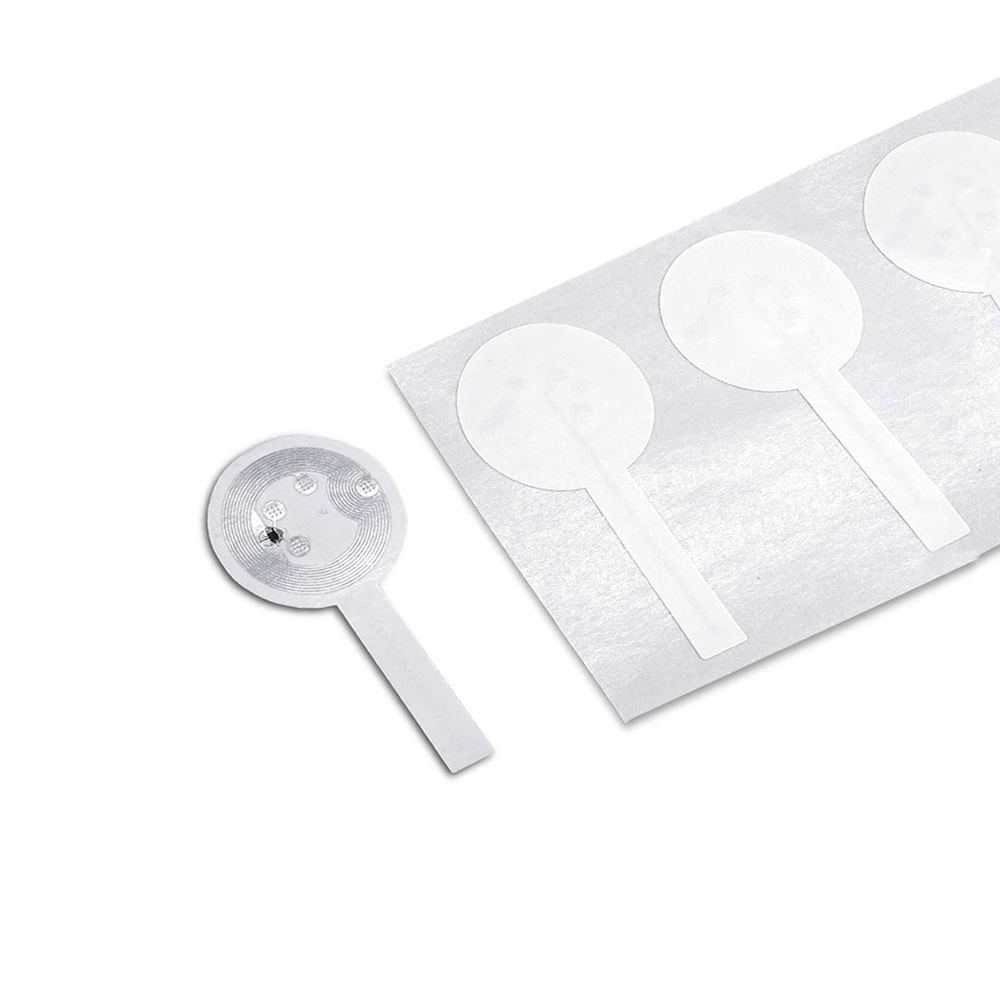
- Works on Assa Abloy Hospitality locks (VingCard Classic / Essence / Allure / Signature RFID and the current Vostio cloud platform) via the ISO/IEC 14443-A air interface — MIFARE Classic 1K / 4K and MIFARE DESFire EV2/EV3 chip options match whichever generation the property runs.
- Encoding happens at the front desk with your existing Assa Abloy or Vostio encoder — factory-direct cards arrive blank or UID-pre-allocated, so site keys and guest-session logic never leave operator IT.
- 30-50% below OEM replacement pricing at MOQ 1,000+, with MIFARE Classic 1K in the USD 0.30-0.50 band and DESFire EV3 at 2-3× Classic — both meaningfully below branded pricing without compromising warranty or lock-performance posture.
Used in these industries
Deployments where this product is referenced on our industry landing pages.
At a glance
Use these short answers to decide whether this page matches the project before moving into the detail.
Air interface and ISO baseline
Assa Abloy Hospitality readers run the ISO/IEC 14443-A contactless protocol at 13.56 MHz — the same open standard used by every MIFARE-based credential, which is why a c...
Chip matrix by VingCard generation
VingCard Classic / Essence / Allure (the 2000-2015 installed base) encode against MIFARE Classic 1K or 4K — MF1ICS50 / MF1ICS70 silicon running the legacy Crypto-1 ciphe...
Next step
Ready to move forward? Start your inquiry to get specific answers for this project.
Get a quote for Assa Abloy-compatible key cards- Encoding happens at the front desk, not at the factory
-
- Cards ship blank or factory-encoded with UID allocation. Room-level encoding (guest ID, check-out time, access rights) is written at the front desk or kiosk encoder using your existing Assa Abloy software — no factory-side key knowledge is required, which is also why third-party cards do not introduce a new trust boundary.
- Any Proud Tek MIFARE Classic / DESFire card accepts the standard Assa Abloy encoding payload; operator IT and security teams retain their own site keys.
- Mixed fleet and legacy bridging
-
- Properties on a multi-year upgrade path often run Classic + DESFire + magnetic-stripe simultaneously. Proud Tek supplies combination cards (RFID + HiCo 2750 Oe or 4000 Oe stripe per ISO/IEC 7811-2/-6) for properties still operating legacy slot-type locks in parallel with RFID.
- Dual-frequency variants (LF 125 kHz + HF 13.56 MHz) are available when the same credential must also open a staff parking barrier reading EM/HID proximity.
- Why warranty is not at risk
-
- Assa Abloy lock warranties cover the lock mechanism and electronics, not the consumable credential; ISO/IEC 14443-A compliance is an open-standard conformance claim, not a proprietary license.
- The U.S. Magnuson-Moss Warranty Act (15 U.S.C. § 2301, §2302(c)) explicitly prohibits tying consumer-warranty service to the use of a named-brand article unless the manufacturer has been granted a waiver — an important backstop when negotiating with a property that has been told "you must buy OEM cards".
- PMS and head-end integration
-
- Oracle Opera PMS, Mews, Cloudbeds, and HotSOS integrations are card-agnostic — they talk to Vostio or the VingCard software, not to the card silicon. Switching card suppliers does not require a PMS re-certification.
- Salto KS, dormakaba Ambiance and Onity HT / Advance are parallel ecosystems with the same principle; Proud Tek supplies equivalent SKUs for operators who run mixed brands across a portfolio.
- Print and personalization
-
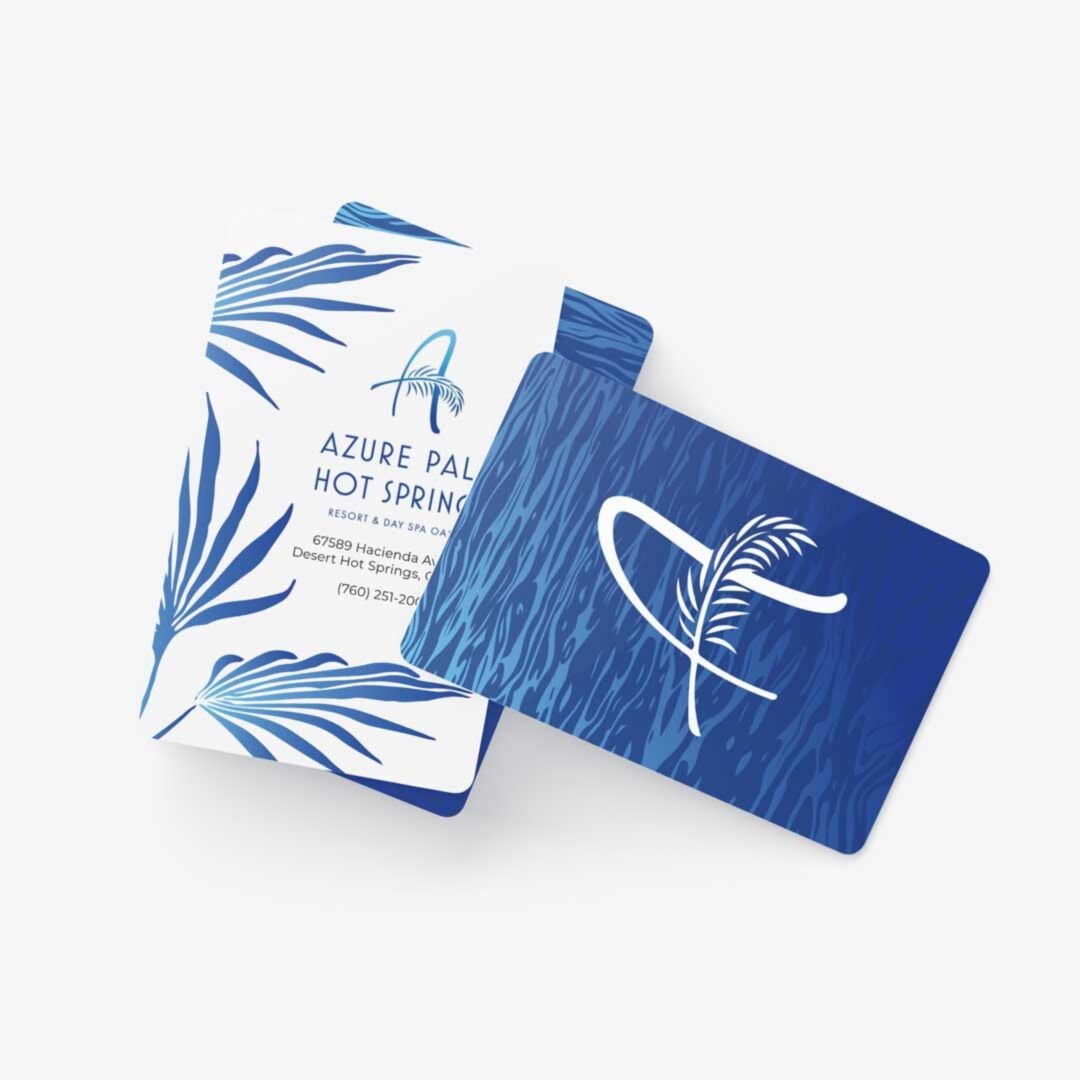
- Full-colour offset (1-5,000+ orders, ISO 12647-2 process control) or UV digital (short runs, 600-1200 dpi) with Pantone spot matching and spot UV, hot-foil, and embossed numbering finishing options.
- Variable data — room numbers, guest names, check-in dates, QR-coded Wi-Fi credentials — is printed inline with dye-sublimation retransfer at the front desk, not at the factory; factories ship the blank-or-base-printed stock.
- Durability, lifecycle and replacement economics
-
- PVC base cards give 3-5 years of turn-cycles at hospitality wear patterns; PET/ABS composites extend to 5-7 years when the property runs high-value guest tiers and longer-issue cycles.
- Unit economics shift sharply at MOQ — OEM-branded replacement cards typically retail at USD 0.35-0.55 per card at small volumes, and factory-direct MIFARE Classic lands in the USD 0.30-0.50 band at 5,000-50,000 units; DESFire is 2-3× Classic per-unit but still meaningfully below OEM DESFire pricing.
- Security posture of MIFARE Classic today
-
- The Crypto-1 cipher used by MIFARE Classic has known academic attacks (Nohl/Plötz 2008 et seq.); in hospitality the risk is mitigated by site-local sector keys, short key validity (guest check-out), and lock-side audit trails rather than by the card alone.
- For luxury / resort / casino / regulated-gaming properties where the residual risk of cloning is not acceptable, DESFire EV3 with per-card key diversification (NXP AN10922) is the standard recommendation and the upgrade path most operators quote when their compliance team raises the question.
- Procurement, supply resilience and lead time
-
- Blank stock (Classic 1K, DESFire EV3) ships in 2-3 business days from factory inventory; custom-printed production is 5-7 business days at 1,000-10,000 units and scales to 1,000,000+ with scheduled call-off.
- Dual-source sourcing (OEM for new-platform certified installs, factory-direct for steady-state replacement) is a common operator pattern and is explicitly compatible with Assa Abloy's standard hospitality warranty and support terms.
- Packaging, branding and environmental options
-
- Key-card holders (printed card jackets, RFID-blocking welcome kits, branded envelopes) are supplied matched to the card run; material choices include FSC-certified paperboard and recycled PET card cores for properties with ESG / EU ESPR readiness programmes.
- Personalization data — room, guest, dates, Wi-Fi — is printed on the jacket; the card itself stays rebrandable stock, simplifying reuse in bulk welcome-kit operations.
- Compliance, warranty, and end-of-life
-
- U.S. FCC 47 CFR Part 15 applies to the reader side, not the passive card; ISO/IEC 14443-A, ISO/IEC 7810 and ISO/IEC 10373-1 are the card-side certifications to ask for in a tender response.
- End-of-life: PVC cards are typically collected at checkout and recycled where local streams accept them; PLA and r-PET substrate options are available where sustainability reporting (e.g. Green Key, LEED, EU ESPR) drives the specification.
Commercial terms
- MOQ
- Varies by SKU — stock items from 100 pcs; custom production typically 200-1,000 pcs
- Lead time
- Production 2-3 weeks after artwork and encoding sign-off; reorders on a 3-4 week cycle
- Samples
- Free samples and RF test report with every order; courier at customer cost
- Payment
- 50% T/T deposit, 50% before shipment; Net 30/60 for established accounts; LC for large orders
- Shipping
- FOB Shenzhen / Yantian; DHL, FedEx or EMS air freight; sea LCL / FCL for volume
- Response
- Itemized quote within one business day, Mon-Fri (UTC+8)
Why third-party cards are a supply choice, not a lock-in
A lock platform is a ten-year marriage negotiated with lawyers present; key cards are the groceries. Buying the groceries from whoever officiated the wedding is a choice, not a requirement — the stack below shows why. Before any card shopping, audit what is actually on the doors: the hotel key card encoding guide walks that lock-estate audit step by step.
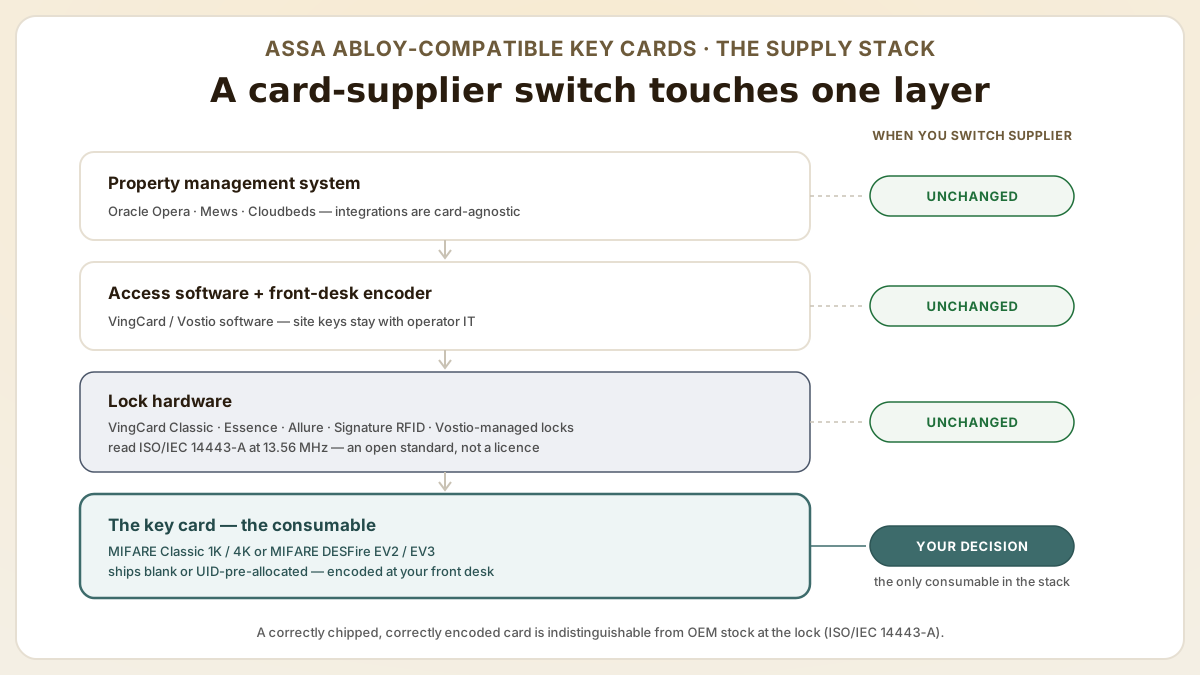
- Assa Abloy Hospitality readers speak the open ISO/IEC 14443-A standard at 13.56 MHz. Any correctly specified MIFARE chip + ISO/IEC 7810 card body + correctly encoded site payload will function at the lock; OEM branding on the card is a supply-chain decision, not a technical requirement.
- Hotels are not obligated to source key cards exclusively from the lock manufacturer. Magnuson-Moss Warranty Act §2302(c) blocks the tying of consumer warranties to named-brand consumables absent an FTC waiver — the same legal principle that makes third-party printer cartridges legitimate applies here.
- The card is the volume consumable; the lock, the reader firmware and the PMS integration are the installed base that takes years to certify. Switching card supplier changes none of the installed base.
VingCard family vs Vostio — the chip and protocol matrix
Hotel lock estates age the way hotels do — wing by wing. Most portfolios run both columns below at the same time, which is why the chip question is really “which generations do we have,” plural. For the full three-way chip decision, see MIFARE Classic vs Plus vs DESFire for hotel locks.
VingCard Classic / Essence / Allure (installed-base era)
- MIFARE Classic 1K / 4K (MF1ICS50 / MF1ICS70)
- Crypto-1 cipher — academic breaks since 2008, mitigated by site-key hygiene and short key validity
- Per-card USD 0.30-0.50 at factory-direct MOQ
- Compatible with existing VingCard front-desk encoders — no firmware change
- Typical magnetic-stripe combination card still common for legacy slot-type bridges
Vostio / Signature RFID (current platform)
- MIFARE DESFire EV2 / EV3 (AES-128, per-card key diversification via NXP AN10922)
- Cloud-native key management through Vostio; supports mobile-key (BLE) alongside physical cards
- Per-card USD 0.80-2.00 at factory-direct MOQ (2-3× Classic)
- Card-agnostic to Oracle Opera / Mews / Cloudbeds PMS integrations
- Recommended for luxury, resort, casino, regulated-gaming tiers
Build sheet — the specification your integrator will ask for
Every RFQ converges on this table eventually, usually three emails in. Here it is on the first pass. Properties mid-way through a lock upgrade can pair the same card body with a magnetic stripe — the RFID + magnetic-stripe combo card exists precisely for that transitional decade.
| Attribute | Specification | Notes |
|---|---|---|
| Chip options | MIFARE Classic 1K / 4K (MF1ICS50 / MF1ICS70); MIFARE DESFire EV2 / EV3 (AES-128) | Matched to the lock generation — see the matrix below |
| Air interface | ISO/IEC 14443 Type A at 13.56 MHz | The same open standard OEM cards conform to |
| Card body | ISO/IEC 7810 ID-1, 85.60 × 53.98 × 0.76 mm | Durability per ISO/IEC 10373-1 (bend, torsion, UV, chemical) |
| Materials | PVC (3-5 years hospitality service); PET/ABS composite (5-7 years); recycled PET and PLA options | FSC-certified paperboard holders and welcome kits available |
| Encoding state | Blank, or factory UID allocation for serialised stock | Room-level encoding stays at your front desk; site keys never leave operator IT |
| Full-colour offset (ISO 12647-2) or UV digital 600-1200 dpi; Pantone spot, spot UV, hot foil, embossed numbering | Variable data (room, guest, Wi-Fi) is printed at the front desk via dye-sublimation retransfer | |
| Legacy options | HiCo magnetic-stripe combo (2750 Oe or 4000 Oe, ISO/IEC 7811-2/-6); dual-frequency LF 125 kHz + HF 13.56 MHz | For slot-type locks and staff parking barriers running in parallel |
| MOQ and pricing | MOQ 1,000+; Classic 1K USD 0.30-0.50 and DESFire EV3 USD 0.80-2.00 per card at 5,000-50,000 units | Full-colour finish stack adds USD 0.03-0.08 per card; factory UID allocation is no-charge at ≥5,000 units |
| Lead time | Blank stock 2-3 business days; custom-printed 5-7 business days at 1,000-10,000 units | Scales to 1,000,000+ cards with scheduled call-off |
Which chip for which lock generation
One sober paragraph before the grid: Proud Tek is an independent factory. Assa Abloy, VingCard and Vostio are trademarks of their respective owners, named here to identify which lock platforms these non-OEM aftermarket cards are manufactured to work with — nothing on this page implies endorsement by the lock vendor. Per-model depth (door thickness, lock-case variants, back-end lifecycle) lives in the Vingcard compatibility guide; whatever any matrix says, the deciding gate is sample stock validated on your own encoder.
| Lock platform (as installed) | Chip the locks expect | Security layer | Supply note |
|---|---|---|---|
| VingCard Classic / Essence / Allure (2000-2015 installed base) | MIFARE Classic 1K or 4K (MF1ICS50 / MF1ICS70) | Crypto-1 cipher, mitigated by site-local sector keys and short key validity | Classic stock, blank or UID-allocated; works with existing front-desk encoders, no firmware change |
| VingCard Signature RFID / early Vostio | MIFARE Classic accepted; locks also wired for MIFARE DESFire EV1/EV2 | Option to move to AES-128 without a lock swap | Migration-ready: issue DESFire as card stock cycles through the fleet |
| Current Vostio cloud installations | MIFARE DESFire EV3 | AES-128 with per-card key diversification (NXP AN10922) | Default for new issuance; Classic kept only on legacy auxiliary doors during transition |
Qualifying a second card source without betting the lobby
No procurement chief ever regretted validating sample stock before signing a bulk order — and none enjoyed explaining a lobby of guests holding cards the encoder refused. The path below is deliberately boring; boring is what good credential procurement looks like. Sizing the sample round itself has its own playbook in the hotel key card sample planning guide.
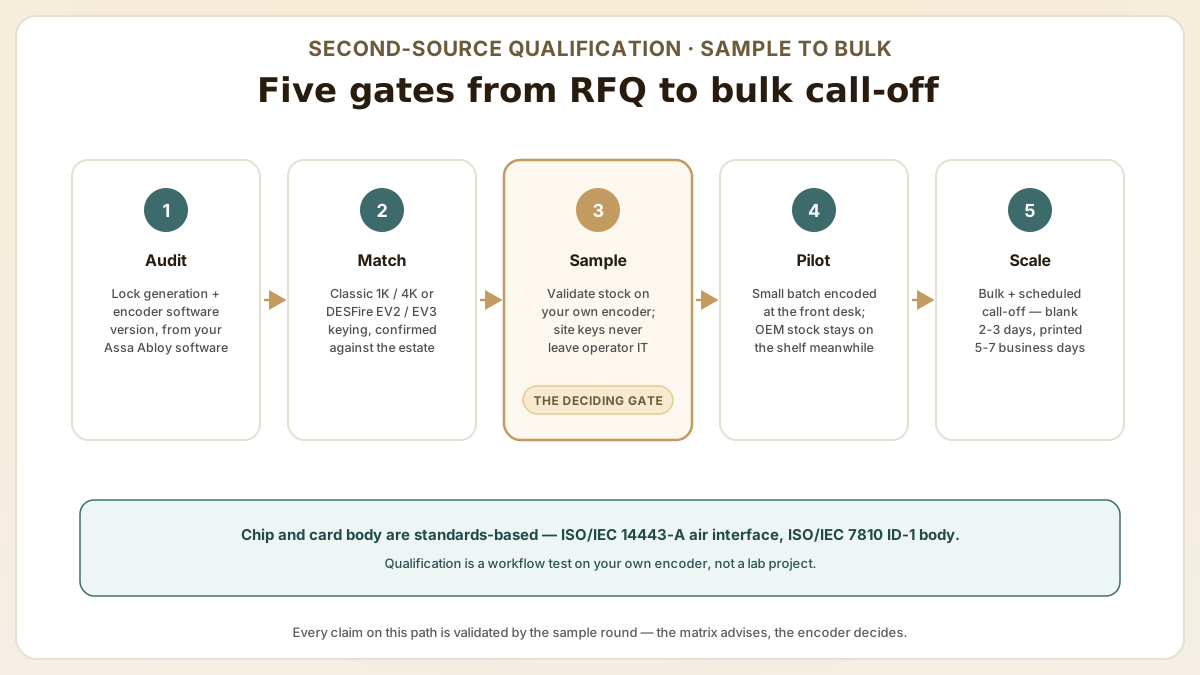
- Pull the lock generation and encoder software version — the Assa Abloy encoding software shows whether the site is keyed for MIFARE Classic 1K/4K or DESFire EV2/EV3.
- Send the lock model and software version with the RFQ, so chip selection is confirmed against the estate rather than against a guess.
- Validate sample stock on your own front-desk encoder before any bulk production is scheduled.
- Encode and issue a small pilot batch first, keeping existing OEM stock on the shelf until the pilot clears.
- Move to bulk with scheduled call-off once the pilot clears — blank stock replenishes from factory inventory in 2-3 business days.
The factory-direct cost differential, decomposed
The 30-50% delta is not a discount; it is the absence of a brand surcharge on commodity silicon. The decomposition below shows where it comes from, and the hotel keycard cost comparison maps the wider market so you can see which band any OEM quote lands in.
- MIFARE Classic 1K factory-direct at 5,000-50,000 units: USD 0.30-0.50 per card, printed one colour both sides.
- MIFARE DESFire EV3 factory-direct at 5,000-50,000 units: USD 0.80-2.00 per card, printed one colour both sides.
- Full-colour offset CMYK + Pantone spot + UV finish adds USD 0.03-0.08 per card depending on run length and finish stack.
- Encoded-at-factory UID allocation (where the property wants serialised stock) is no-charge at ≥5,000 units.
From VingCard 1979 to Vostio cloud — what the card has to survive
Forty-seven years separate the first electronic hotel lock from cloud key management, and the consumable at the bottom of the stack has outlived every software generation above it. The history is short, and it explains how the card became the commodity layer.
- 1979
VingCard introduces the first electronic hotel lock; the industry begins moving away from mechanical master-key hierarchies toward encodable guest credentials.
- 1994
NXP (then Philips) releases MIFARE Classic 1K (MF1ICS50), the silicon that will dominate hospitality RFID for two decades; ISO/IEC 14443 Type A is standardised around the same protocol.
- 2008
Nohl / Plötz publish the academic break of the Crypto-1 cipher; hospitality responds with site-local sector keys, shorter key validity, and early MIFARE DESFire trials rather than a full swap.
- 2013
Assa Abloy acquires VingCard Elsafe, consolidating the hospitality-lock portfolio; Signature RFID and the DESFire-capable generation become the default recommendation for new builds.
- 2016
Vostio cloud platform begins enterprise rollout, separating the identity and key-management layer from the lock firmware — the move that also makes card supplier selection a pure procurement question.
- 2020-2022
Mobile key (BLE) scales through the pandemic as low-touch check-in becomes a brand expectation; physical RFID cards remain the fallback and the auxiliary-door credential for ~90% of properties.
- 2026 Today
Reference operating practice across hotel-chain-flagship, boutique-resort, extended-stay, student-housing, and cruise-cabin programmes converge on a dual-sourced supply model: one OEM relationship for new-platform certification, one factory-direct supplier for steady-state replacement volume, with DESFire EV3 as the default chip for new issuance and Classic 1K kept only on the legacy installed base.
Useful next pages
Use these linked product, guide and comparison pages to keep the next click specific and practical.
Hotel key card resources
Supporting documentation on the chip choice, lock compatibility, and the PMS integration layer.
FAQ
Will Proud Tek cards void my Assa Abloy lock warranty?
No. Assa Abloy Hospitality lock warranties cover the lock mechanism and electronics, not the consumable credential. The card is an ISO/IEC 14443-A open-standard article, and Magnuson-Moss Warranty Act §2302(c) explicitly blocks tying a consumer warranty to the use of a named-brand consumable absent an FTC waiver — the same principle behind third-party printer cartridges. Thousands of properties run factory-direct MIFARE cards on VingCard and Vostio installations without warranty impact.
How do I know which MIFARE chip my Assa Abloy locks require?
Check the Assa Abloy front-desk encoding software — it shows whether the site is keyed for MIFARE Classic 1K/4K or DESFire EV2/EV3. Share your lock model (VingCard Classic / Essence / Allure / Signature RFID / Vostio) plus the software version with us and we will confirm the correct silicon and ship sample stock for validation against your encoder before bulk production.
Can you match our current hotel key card design exactly?
Yes. Send existing card artwork or a high-resolution scan and our pre-press team reproduces the layout in production-ready files at no charge — Pantone match, card thickness, finish stack (spot UV / hot foil / emboss) all replicated so the transition is invisible to guests and front-desk staff. We also support variable-data personalisation (room number, guest name, Wi-Fi credential) printed at the front desk via dye-sublimation retransfer, not at the factory.
Does third-party card sourcing work with Opera PMS, Mews, Cloudbeds, or HotSOS?
Yes. The PMS integrates with Vostio or the VingCard software, not with the card silicon. Switching card supplier is invisible to the PMS layer — no re-certification, no integration work. The same principle applies across Salto KS, dormakaba Ambiance, and Onity HT / Advance ecosystems on multi-brand portfolios.
Should we move from MIFARE Classic to DESFire across our portfolio?
The Crypto-1 cipher in MIFARE Classic has known academic attacks (Nohl/Plötz 2008 et seq.); in hospitality the residual risk is mitigated by site-local sector keys, short key validity tied to check-out, and lock-side audit. For luxury / resort / casino / regulated-gaming properties where that residual risk is not acceptable, DESFire EV3 with per-card key diversification per NXP AN10922 is the standard recommendation. Mid-scale properties typically stay on Classic and run DESFire only on back-of-house and executive floors.
What is the MOQ and lead time for Assa Abloy-compatible key cards?
Blank MIFARE Classic 1K and DESFire EV3 stock ships from factory inventory in 2-3 business days. Custom-printed production runs 5-7 business days at 1,000-10,000 units and scales to 1,000,000+ cards on scheduled call-off; MOQ starts at 1,000 cards. Factory UID allocation for serialised stock is no-charge at ≥5,000 units.
Can RFID and magnetic-stripe key cards run in parallel during a lock upgrade?
Yes. Combination cards carry the RFID chip plus a HiCo magnetic stripe (2750 Oe or 4000 Oe per ISO/IEC 7811-2/-6) on one ISO/IEC 7810 card body, so properties can keep legacy slot-type locks in service while RFID floors go live. Dual-frequency variants (LF 125 kHz + HF 13.56 MHz) cover the separate case where one credential must also open a staff parking barrier reading EM or HID proximity.
Sources & references
Primary standards, OEM datasheets and regulatory documents cited by this article. All URLs were verified on the access date shown below.
- Assa Abloy Hospitality — VingCard and Vostio product line
Canonical product page for the VingCard Classic / Essence / Allure / Signature RFID installed base and the current Vostio cloud platform.
- NXP MIFARE Classic 1K (MF1ICS50) product data sheet
Baseline silicon for VingCard Classic / Essence installed-base deployments.
- NXP MIFARE DESFire EV3 product data sheet (MF3DH(X)2 / MF3DH(X)3)
AES-128 chip recommended for Vostio-era and high-security hospitality deployments.
- ISO/IEC 14443-1..4 — Identification cards — Proximity cards
The open air-interface standard that every MIFARE-based hotel key card — OEM or third-party — conforms to.
- ISO/IEC 7810 — Identification cards — Physical characteristics
ID-1 form factor geometry that all hospitality cards are produced to.
- ISO/IEC 10373-1 — Test methods for identification cards
Durability and physical-test method suite used for hospitality card lifecycle assessment.
- NXP Application Note AN10922 — Symmetric key diversification with MIFARE DESFire
Key-diversification guidance used when migrating hospitality deployments from MIFARE Classic to DESFire EV3 AES-128.
- Magnuson-Moss Warranty Act, 15 U.S.C. §§ 2301-2312
Federal statute blocking tie-in of consumer-warranty service to the use of a named-brand article — the anti-tying backstop that permits third-party hospitality-card supply.
- Oracle Opera Cloud PMS — integration partners and certification
Reference for how card-supplier choice remains independent of PMS integration — certification attaches to the lock/head-end, not the credential.
- Flaws in the MIFARE Classic Crypto-1 cipher (Nohl / Plötz)
Seminal cryptanalysis that shapes the DESFire-upgrade recommendation for high-risk hospitality tiers.
Proud Tek is a Shenzhen-based RFID & NFC manufacturer supplying hotel chains, transit operators, event venues and retail brands worldwide. Every order includes free samples, RF testing and dedicated project support.
Get a Quick Quote
Tell us about your project and we'll respond within one business day. Fields marked (asterisk) are required.