
Loyalty & Rewards
RFID Loyalty Cards
NFC Reward Cards for Retail

Quick answer
RFID loyalty cards are contactless NFC reward cards customers tap at the POS; the tap takes under 1 second and needs no app download. Points post without cashier intervention — the reader captures the UID in under 100 ms and passes it to the loyalty engine. Chips span NTAG213 to MIFARE DESFire EV3; custom-printed cards start at MOQ 500 with 10-12 business day production.
- Tap-to-earn at POS. Customer taps their NFC loyalty card on the terminal; the transaction is recorded and points are updated instantly with no barcode scanning or manual entry.
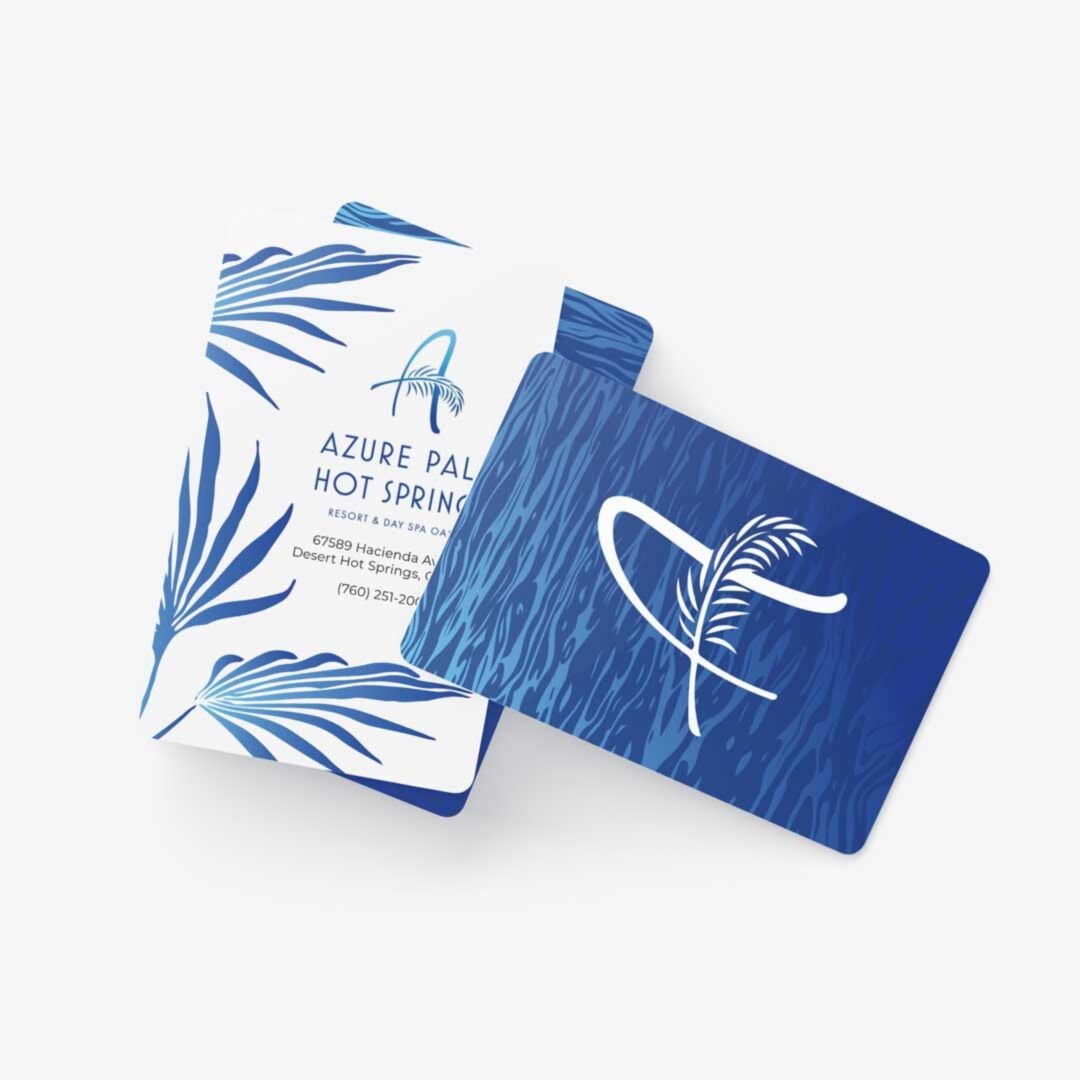
- Premium brand experience: custom-printed PVC cards with full-color artwork, spot UV, metallic foil and embossing create a card customers keep in their wallet instead of discarding.
- No app required: unlike mobile loyalty programs that require customers to download, register and maintain an app, NFC loyalty cards work out of the box with zero setup friction.
Used in these industries
Deployments where this product is referenced on our industry landing pages.
At a glance
Use these short answers to decide whether this page matches the project before moving into the detail.
Card body and form factor
ISO/IEC 7810 ID-1 (85.60 × 53.98 × 0.76 mm) PVC is the retail-wallet default; fits every existing loyalty-card rack, slot and wallet divider. Die-cut keytag (30 × 55 mm)...
Loyalty-programme market context
Global loyalty-programme membership tracked by Bond Brand Loyalty and Forrester; U.S. adults belong to ~16 loyalty programmes on average but are active in only ~7. Activ...
Next step
Ready to move forward? Start your inquiry to get specific answers for this project.
Request quote and samples- Chip selection aligned to loyalty data model
-
- NTAG213 (144 B) — URL / UID-based member lookup for SMB and mid-market; the cheapest credible NFC loyalty card.
- NTAG216 (888 B) — NDEF multi-record payload where a welcome promo + member-ID URL is useful on first tap.
- MIFARE Classic 1K — 16-sector memory for multi-merchant mall / plaza loyalty programmes where sector-per-merchant separation is valued.
- MIFARE DESFire EV3 — AES-128 per-card key diversification where member-credit or prepaid balance is stacked onto the loyalty card.
- Tap-to-earn POS flow
-
- Customer taps loyalty card on NFC reader at the POS; UID read in < 100 ms and passed to the loyalty engine (Yotpo, Annex Cloud, Smile.io, Voucherify, Loyalty Lion, custom).
- Loyalty engine resolves UID → member record → applies points, tier, basket-promo, birthday reward; POS prints receipt within the normal transaction envelope.
- Digital overlay — tap on phone
-
- NDEF URI record `https://brand.example.com/loyalty?m={uid}` opens the member dashboard on a stock iPhone (iOS 12+ Background Tag Reading) or Android phone — no app install.
- Apple Wallet Passes and Google Wallet loyalty cards can mirror the physical card with barcode + latest balance; physical card keeps the wallet-slot presence.
- Dual-interface — NFC + barcode
-
- Printed 1D (Code 128) or 2D (QR) barcode on the card as a fallback for POS lanes still waiting on NFC hardware; the same member-ID is encoded both ways.
- Barcode print-quality target: ISO/IEC 15416 grade A/B so handheld / in-counter scanners read reliably on first pass.
- Anti-fraud posture
-
- Unique chip UID (NTAG 7-byte / MIFARE 4-byte) replaces trivially-clonable punch cards and printed barcodes; UID replay is detectable server-side.
- NTAG213 32-bit password protection or DESFire EV3 AES-128 raises the bar to cryptographic attack for premium / high-reward programmes.
- Data-protection posture — GDPR and equivalents
-
- GDPR (EU) 2016/679 Art. 6 lawful-basis analysis: loyalty runs on consent (Art. 6(1)(a)) or contract (Art. 6(1)(b)) depending on how the programme terms are written.
- Member right-of-access (Art. 15), erasure (Art. 17) and portability (Art. 20) must be supported in the loyalty-engine back-end; card is purely a UID carrier.
- PCI-DSS scope where payment is stacked
-
- If the loyalty card also carries a stored-value balance or is linked to a payment credential, PCI-DSS v4.0 scope applies to the back-end and POS integration path — not to the card itself.
- Pure loyalty-only UID cards are out of PCI-DSS scope; the card becomes in-scope only when payment data is linked.
- Premium finishing and wallet retention
-
- Spot UV, metallic foil (gold / silver / holographic), soft-touch lamination and embossed card numbers earn wallet-slot residency versus the trivially-replaced paper punch card.
- Transparent and frosted-PVC options are gaining share in premium-retail / beauty / fashion programmes for a differentiated shelf-appeal versus commodity PVC.
- Programme lifecycle — issuance, tiering, suspension
-
- Issuance: POS-activated at first purchase; POS issues physical card + seeds member record. Tiering: back-end rule engine updates tier; card UID stays the same.
- Suspension / replacement: back-end flags UID as revoked; customer gets a new card with new UID mapped to the same member record.
- Production flow and lead time
-
- Artwork → proof → offset print (MOQ 500) or UV digital (MOQ 100) with variable-data QR → lamination → punch → NTAG / MIFARE encoding (UID registration + optional NDEF URL).
- Standard lead time 10–12 business days; rush 7-day turnaround available for promotional launches; free samples after artwork lock.
Commercial terms
- MOQ
- Varies by SKU — stock items from 100 pcs; custom production typically 200-1,000 pcs
- Lead time
- Production 2-3 weeks after artwork and encoding sign-off; reorders on a 3-4 week cycle
- Samples
- Free samples and RF test report with every order; courier at customer cost
- Payment
- 50% T/T deposit, 50% before shipment; Net 30/60 for established accounts; LC for large orders
- Shipping
- FOB Shenzhen / Yantian; DHL, FedEx or EMS air freight; sea LCL / FCL for volume
- Response
- Itemized quote within one business day, Mon-Fri (UTC+8)
Why retailers choose NFC loyalty cards over app-only programs
- App fatigue — 75% of downloaded loyalty apps are used once and then deleted or ignored; customers resist downloading yet another app for each store they visit. NFC cards require zero digital onboarding and work for all demographics including customers without smartphones.
- Checkout speed: barcode-based loyalty cards require the cashier to scan (adding 5-10 seconds per transaction) or the customer to open an app and navigate to their digital card (adding 15-30 seconds); NFC tap takes under 1 second.
- Wallet presence: a well-designed physical card in the customer's wallet is a constant brand reminder; app icons buried on the third screen of a phone have near-zero brand visibility.
- Fraud reduction: paper punch cards and generic barcoded cards are trivially duplicated; NFC cards with unique chip IDs and optional NTAG213 password protection prevent customers from cloning their loyalty credential to accumulate fraudulent points.
- In-store analytics: every tap is recorded with timestamp, terminal ID and transaction amount; retailers gain precise visit frequency and spending pattern data without depending on customers remembering to use an app.
Loyalty card at a glance
NFC loyalty card vs barcode / paper punch / app-only loyalty
NFC loyalty card (NTAG213 or dual NFC+barcode)
- Tap-to-earn < 1 second; no line-delay from scanner alignment or app navigation.
- Unique chip UID — member identity cannot be cloned by photocopying or photographing.
- Phone-tap opens the member dashboard without any app install; hybrid physical + digital by default.
- Wallet-slot resident; premium finishing stack makes the card a brand asset, not a throwaway.
- Unit cost USD 0.25–1.50; premium finishes add 10–30 %.
vs barcode-only card, paper punch card and app-only loyalty
- Barcode-only cards: cheap and universal but photo-copiable and sensitive to print wear / wrinkling; scanner alignment adds 5–10 seconds.
- Paper punch cards: trivially counterfeited by photocopier; no analytics; the programme lives in ink stains on the card.
- App-only loyalty: 75 % of downloads are abandoned; customers without smartphones or without the specific app are shut out.
- Wallet / app-pass overlay: useful mirror, but the physical card still earns the wallet-slot presence the brand wants.
- All three lag NFC on fraud resistance, checkout speed and wallet presence simultaneously.
Active-use gap — why the card matters more than the enrolment
Proud Tek RFID loyalty card options
- Chip options: NTAG213 (most popular for loyalty; 144 bytes, URL-capable for hybrid physical+digital programs), NTAG216 (888 bytes for on-card point storage), MIFARE Classic 1K (16 sectors for multi-merchant loyalty programs).
- Premium card finishing: spot UV gloss, soft-touch matte lamination, metallic foil stamping, embossed card numbers, die-cut shapes and transparent card options that make the loyalty card feel like a premium brand asset rather than a disposable giveaway.
- NFC + barcode dual-interface. Print a 1D or 2D barcode on the card as a fallback for POS terminals that do not yet have NFC readers, ensuring the card works everywhere from day one.
- Variable data: sequential card numbers, unique QR codes linking to individual customer profiles and pre-programmed NDEF URLs that open the customer's loyalty dashboard when tapped on a phone.
- Fast turnaround for seasonal campaigns — 10-12 business day production on orders of 1,000-10,000 cards; rush 7-day turnaround available for promotional launches.
Milestones in loyalty-card technology
- 1896 — S&H Green Stamps
Stamp-based loyalty launches in the U.S.; the modern consumer loyalty programme's direct ancestor.
- 1981 — American Airlines AAdvantage
First modern database-backed loyalty programme; loyalty becomes a systems problem, not just a stamp book.
- 1995 — Tesco Clubcard
Barcoded plastic loyalty card at supermarket scale; the form factor every grocery and pharmacy programme still issues.
- 2008 — Starbucks Rewards launch
Mobile / app loyalty goes mainstream; paper and punch cards begin their retreat.
- 2015 — Apple Wallet generic passes
Wallet-pass loyalty cards let programmes ride on iOS / Android passes alongside physical cards.
- 2018 — iOS 12 Background Tag Reading
Stock iPhone reads NDEF tags in the background without app install; tap-to-member-dashboard becomes mass-market UX.
- 2020–2022 — NFC-first loyalty rollouts
McDonald's, Pret A Manger and several grocery chains shift to NFC + barcode dual-interface loyalty cards to cut POS-line latency.
- 2026 — Today
Proud Tek ships custom-printed NFC loyalty cards with chip encoding, dual-interface barcode and wallet-pass-mirroring URL programmed per card. From buyer conversations across retail-chain-rewards, coffee-chain-visit-frequency, pharmacy-membership, cinema-loyalty and grocery-co-op loyalty-card programmes.
Anatomy of the card — coil, chip, and a wallet-worthy shell
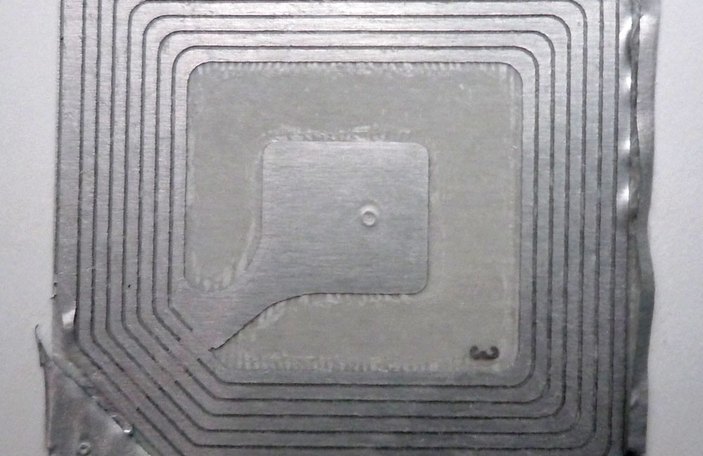
Electrically a loyalty card is almost nothing: a printed PVC sandwich, a copper antenna coil, and one NFC chip. The engineering that actually reaches the customer is the finishing — the spot UV, foil and soft-touch that decide whether the card earns a wallet slot or a spot in the bin. Push the artwork through custom card printing once the chip is locked.
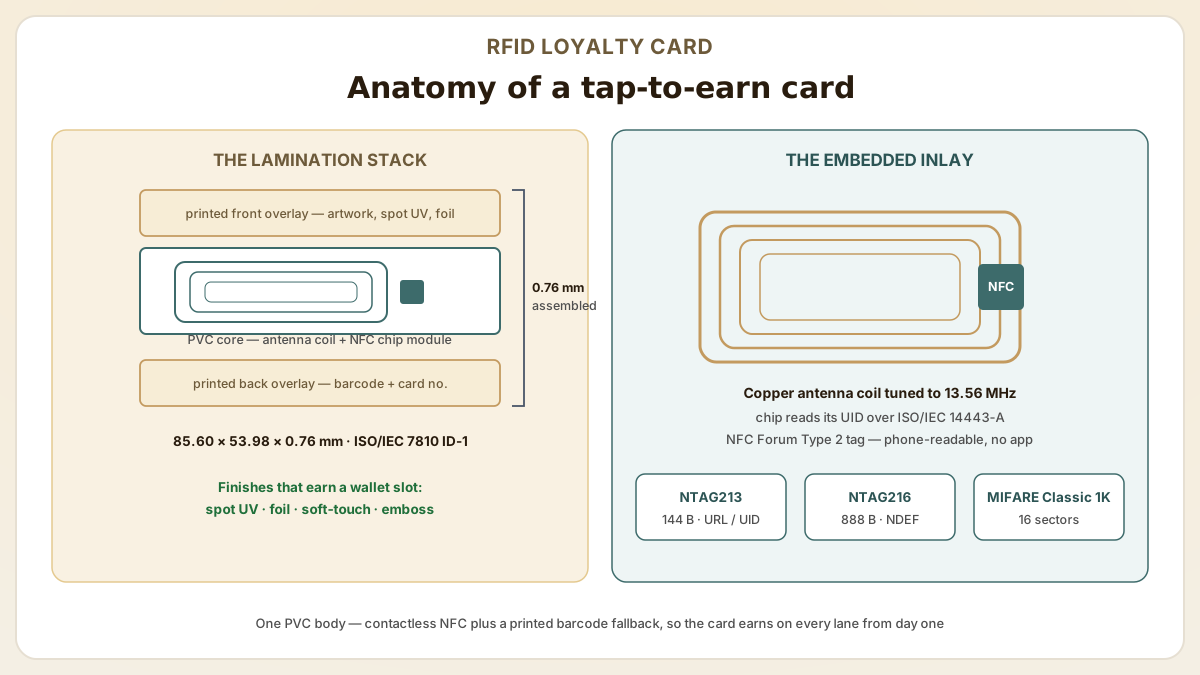
- Lamination stack: a printed front overlay (artwork, spot UV, metallic foil), a PVC core carrying the antenna coil and NFC chip module, and a printed back overlay for the fallback barcode and sequential card number.
- One inlay, many chips: the same coil-and-chip construction takes NTAG213, NTAG216, MIFARE Classic 1K or MIFARE DESFire EV3 without changing the card body.
- Finishing is the retention play: spot UV, metallic foil (gold, silver, holographic), soft-touch matte lamination, embossed numbering, die-cut shapes and transparent or frosted PVC earn wallet-slot residency over a paper punch card.
- The barcode rides the print, not the chip: a 1D Code 128 or 2D QR carrying the same member-ID keeps the card working on lanes still waiting on NFC hardware.
From tap to points — the POS flow in four moves
A loyalty tap is over before the customer has pocketed their payment card. The reader lifts the UID, the loyalty engine does the thinking, and the points post inside the same receipt — no app to open, no barcode to align. Weighing it against the sticker-and-scanner status quo? The RFID vs barcode comparison settles that half of the decision.
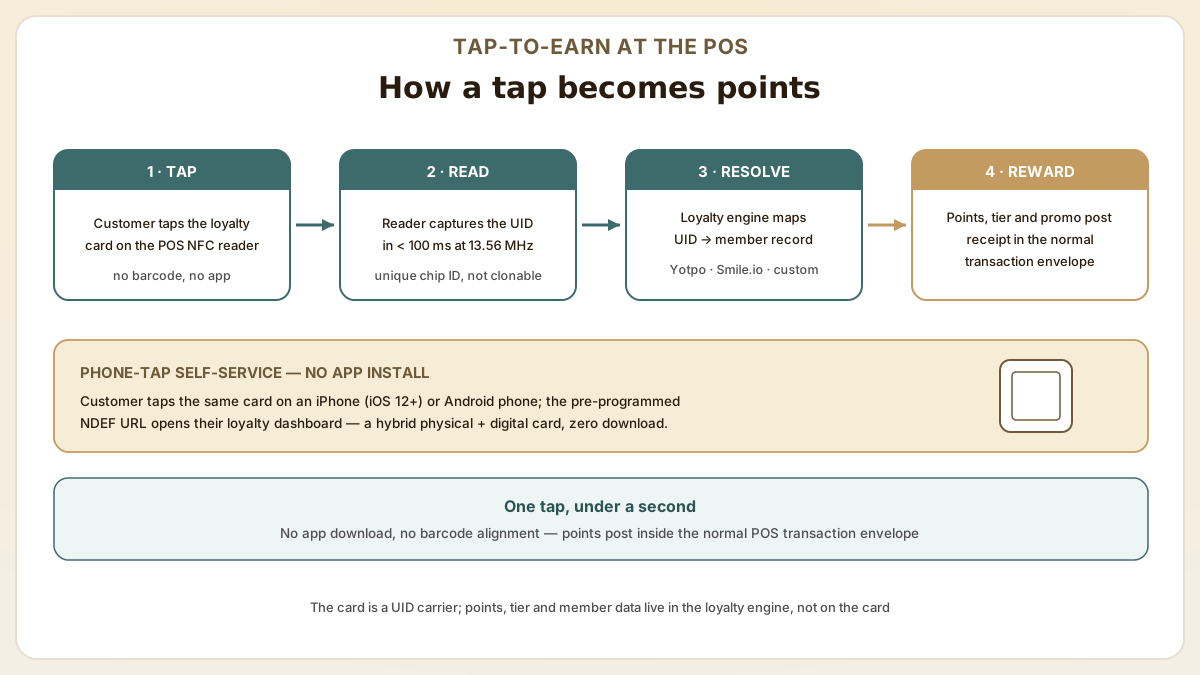
- Tap: the customer taps the loyalty card on the NFC reader at the POS — no app to download, no card to hand over.
- Read: the reader captures the chip UID in < 100 ms and passes it to the loyalty engine — Yotpo, Annex Cloud, Smile.io, Voucherify, Loyalty Lion or a custom back-end.
- Resolve: the engine maps UID → member record and applies points, tier, basket promo and birthday reward before the receipt prints.
- Self-service: programmed with an NDEF URL, the same card opens the member dashboard on a phone-tap (iOS 12+ or Android) with no app install — hybrid physical and digital by default.
The full specification — chip, memory, finish, commercial terms
Procurement reads tables, not adjectives, so here is the whole card in one place: the RFID interface and chip memory up top, materials and finishing in the middle, MOQ, lead time and price at the bottom. Buying the reward variant instead? The RFID gift card shares this body and chip set, and the full RFID card range lists the rest.
| Attribute | Value | Notes |
|---|---|---|
| Card body | ISO/IEC 7810 ID-1 — 85.60 × 53.98 × 0.76 mm PVC | Standard CR80 wallet geometry; fits every existing loyalty-card rack, slot and wallet divider |
| Alternative formats | Die-cut keytag 30 × 55 mm · shortened half-card | Keyring attachment or wallet-depth constraints |
| RFID interface | 13.56 MHz · ISO/IEC 14443-A · NFC Forum Type 2 tag | Contactless tap-to-earn; UID read at the POS reader |
| Chip options | NTAG213 · NTAG216 · MIFARE Classic 1K · MIFARE DESFire EV3 | NTAG213 is the loyalty default; DESFire EV3 (AES-128) for stored-value tiers |
| On-card memory | NTAG213 144 B user · NTAG216 888 B NDEF · MIFARE Classic 1K 16 sectors | URL / UID lookup, on-card NDEF payload, or one sector per merchant |
| Data model | UID resolved by the loyalty engine; optional NDEF URL for phone-tap | Card is a UID carrier; the member record lives in the back-end |
| Barcode fallback | 1D Code 128 or 2D QR, ISO/IEC 15416 grade A/B | Same member-ID both ways; reads on lanes still waiting on NFC |
| Materials & finish | PVC core; transparent or frosted PVC; spot UV, metallic foil, soft-touch, embossing | Finishing stack earns wallet-slot residency over a paper punch card |
| Encoding | Factory pre-encode (UID registration + optional NDEF URL) or desktop encode | Per-card manifest for import into the loyalty engine |
| Read latency | UID read < 100 ms at the POS reader | Inside the normal transaction envelope; no line delay |
| MOQ | 500 offset-printed · 100 UV digital short run | Variable data (sequential numbers, per-card QR) on both |
| Lead time | 10-12 business days after artwork approval; 7-day rush | Free samples after artwork lock |
| Unit price | USD 0.25–1.50; premium finishes add 10–30 % | Volume breaks at 1,000 / 2,500 / 5,000 / 10,000+ |
Useful next pages
Use these linked product, guide and comparison pages to keep the next click specific and practical.
Related retail card products
Other NFC card solutions for retail and hospitality.
FAQ
How does the NFC loyalty card connect to our POS system?
Each NFC loyalty card has a unique chip ID (UID) that your POS system reads via an NFC reader connected to or integrated into the terminal. When the customer taps, the UID is sent to your loyalty software which looks up the customer record and applies the transaction. For simpler setups, the card can be programmed with an NDEF URL that opens a web-based loyalty page on the cashier's tablet when tapped. We work with your POS vendor or system integrator to ensure the card data format matches your system requirements.
Can customers tap the loyalty card on their phone for self-service?
Yes. If the card is programmed with an NDEF URL record, any NFC-enabled smartphone (iPhone and Android) will open the URL when the card is tapped against the phone. This can link to the customer's loyalty balance page, a promotional offer or a registration form. This creates a hybrid physical+digital loyalty experience without requiring an app download.
What is the MOQ and cost for custom loyalty cards?
MOQ is 500 for custom-printed NFC loyalty cards with NTAG213 chip. Pricing decreases significantly at 1,000, 2,500, 5,000 and 10,000+ quantities. Premium finishes (metallic foil, spot UV, embossing) add a small per-card premium. Contact us with your quantity, chip choice and finishing requirements for a detailed quotation.
What is the production lead time, and can we get samples first?
Standard production runs 10-12 business days after artwork approval, with a 7-day rush available for promotional or seasonal launches. Free samples ship once artwork is locked, so you can approve card stock, print quality and chip encoding before committing the full run. Share your quantity, chip choice and finishing stack and we return a firm schedule.
Which chip should we choose — NTAG213, NTAG216, MIFARE Classic 1K or MIFARE DESFire EV3?
NTAG213 (144 B) is the loyalty default: enough memory for a member-ID or a URL that opens the loyalty dashboard on phone-tap, at the lowest credible NFC cost. NTAG216 (888 B) suits programmes that want a welcome promo plus member-ID written into the NDEF payload on first tap. MIFARE Classic 1K gives 16 sectors for multi-merchant mall or plaza programmes that separate one merchant per sector. MIFARE DESFire EV3 adds AES-128 per-card key diversification where a stored-value or prepaid balance is stacked onto the loyalty card.
Can you print our brand artwork and add per-card variable data?
Yes. Cards print full-colour by offset (MOQ 500) or UV digital (MOQ 100), with a premium finishing stack — spot UV, metallic foil, soft-touch lamination, embossed card numbers, die-cut shapes, and transparent or frosted PVC — that earns the card wallet-slot residency instead of the bin. Variable data is standard: sequential card numbers, a unique QR code per card, and a pre-programmed NDEF URL that opens each customer's loyalty dashboard when tapped on a phone.
Can you pre-encode cards for our loyalty platform, and where does customer data live?
Yes. Proud Tek factory pre-encodes the chip UID and an optional NDEF URL, and ships a per-card manifest for import into your loyalty engine — Yotpo, Annex Cloud, Smile.io, Voucherify, Loyalty Lion, or a custom back-end. The card itself is only a UID carrier: the member record, points and tier live in the back-end, which keeps personal data off the card and lets GDPR access, erasure and portability requests be served from one system. If the card later carries a stored-value or payment-linked balance, PCI-DSS v4.0 scope applies to the back-end and POS path, not to the card.
Sources & references
Primary standards, OEM datasheets and regulatory documents cited by this article. All URLs were verified on the access date shown below.
- ISO/IEC 7810:2019 — Identification cards — Physical characteristics
ID-1 form factor (85.60 × 53.98 × 0.76 mm) for wallet-resident loyalty cards.
- ISO/IEC 14443-1:2018 — Proximity cards at 13.56 MHz
Operating frequency and anti-collision protocol for tap-to-earn POS readers.
- ISO/IEC 15416:2016 — Bar code print quality test specification
Grade A/B requirement for printed 1D/2D barcode fallback on dual-interface loyalty cards.
- NXP NTAG 213/215/216 product data sheet
Memory sizes and 32-bit password protection underpinning most NFC loyalty cards.
- NXP MIFARE Classic 1K product data sheet (MF1ICS50)
16-sector memory model used for multi-merchant mall / plaza loyalty programmes.
- NFC Forum — NDEF 1.0 and URI Record Type Definition
URI record framework for tap-to-member-dashboard landing pages.
- EU General Data Protection Regulation (Regulation (EU) 2016/679)
Art. 6 lawful-basis, Art. 15 right-of-access, Art. 17 erasure, Art. 20 portability framework for loyalty-member data.
- PCI-DSS v4.0 — Payment Card Industry Data Security Standard
Scope framework that applies when loyalty stacks a stored-value or payment-linked balance.
- Bond Brand Loyalty — The Loyalty Report (annual)
Source of the ~16 enrolments vs ~7 active benchmark used across the U.S. loyalty industry.
- Apple Developer — Wallet Passes
Reference for the Wallet loyalty-pass overlay that mirrors a physical NFC loyalty card.
Proud Tek is a Shenzhen-based RFID & NFC manufacturer supplying hotel chains, transit operators, event venues and retail brands worldwide. Every order includes free samples, RF testing and dedicated project support.
Get a Quick Quote
Tell us about your project and we'll respond within one business day. Fields marked (asterisk) are required.